

THE TECHNIQUES OF ART
Pastel
Color, softness and expressive intensity.
A dry technique using stick pigments, capable of combining immediacy of mark, chromatic richness, and great expressive power.
OUR PASTELS
Artworks to discover, choose and live with every day.

KNOWING THE ARTISTIC TECHNIQUE
What is pastel?
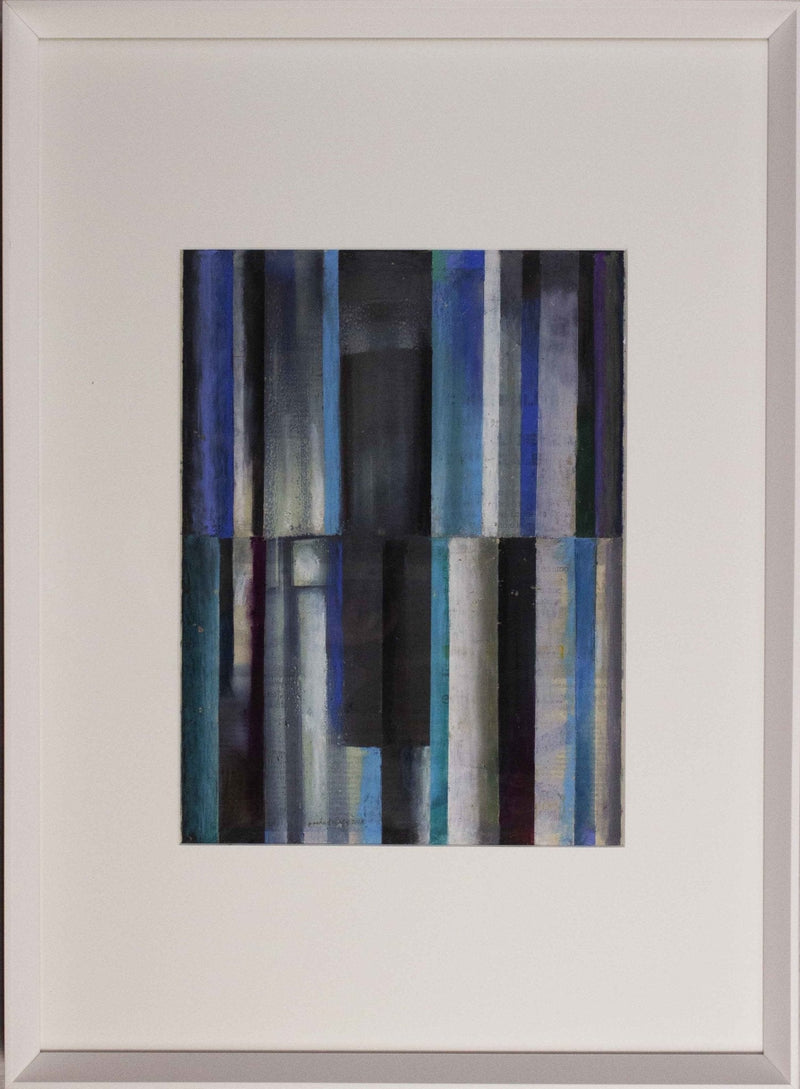
Pastel is a dry painting technique that uses stick-shaped pigments, generally united by a small amount of binder, such as gum. It allows for intense colors, soft gradations, and delicate tonal transitions, with an expressive immediacy that makes it particularly loved by modern and contemporary artists.
In dry pastels, the color is deposited directly on the surface of the support, without resorting to solvents or brushes. The chromatic richness and particular luminosity also derive from the presence of the pigment particles on the surface. Oil pastels, on the other hand, are a variant with oily and waxy binders, characterized by a different consistency.
Origins — From early experimentation to great modern development
The use of dry colored materials has ancient roots, but pastel as an independent technique developed in Europe between the Renaissance and the following centuries. In the eighteenth century, it enjoyed extraordinary success in portraiture, thanks to its ability to convey the delicacy of skin tones, the luminosity of fabrics, and the nuances of light. Rosalba Carriera was one of the protagonists of its international affirmation, together with artists such as Maurice Quentin de La Tour and Jean-Étienne Liotard.
In the nineteenth century, pastel acquired new expressive possibilities, especially in research on light and movement. Edgar Degas enhanced its freedom of line and the layering of colors, while Odilon Redon used it for visionary and evocative compositions. In modern and contemporary art, the technique continues to offer fertile ground for experimentation, from figuration to abstraction, also in dialogue with other materials.
How it is used — Materials, supports, and procedures
Dry pastels are available in different hardnesses. Soft ones allow for broad, pigment-rich applications, while harder ones and pastel pencils favor precision of line and definition of details. Paper, generally equipped with a rough or grainy surface, retains the color particles; cardboard and other appropriately prepared supports can also be used.
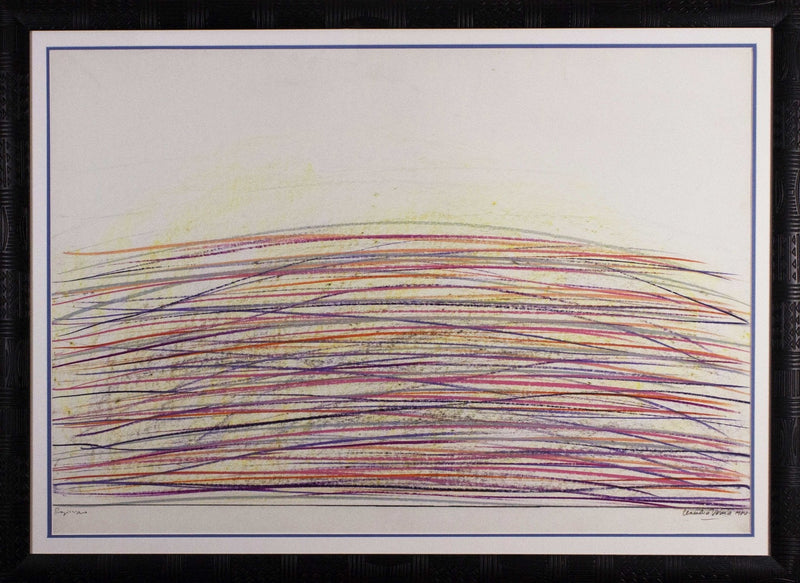
The artist can use the tip of the stick to draw thin lines or the side to obtain larger areas. Colors can be placed side by side, layered, or blended with appropriate tools, modulating the pressure and density of the line. The texture of the support contributes to the final result and can remain visible in the composition. The possible use of fixatives requires attention, as it can change the luminosity and appearance of the pigments.
Characteristics — Color intensity, gradations, and versatility
Pastel stands out for the luminosity of the colors, the softness of the tonal transitions, and the possibility of alternating graphic lines with surfaces of a painterly character. The absence of drying times in dry pastel favors an immediate relationship between gesture and result, while the layering of pigments allows for effects of depth and chromatic vibration.
The technique lends itself as much to detailed representation as to the synthesis of forms and abstract compositions. The surface of dry pastel is, however, delicate: the particles can flake off due to rubbing or contact. Proper conservation is therefore essential to preserve the visual quality of the work over time.
Art in your spaces
The power of color.
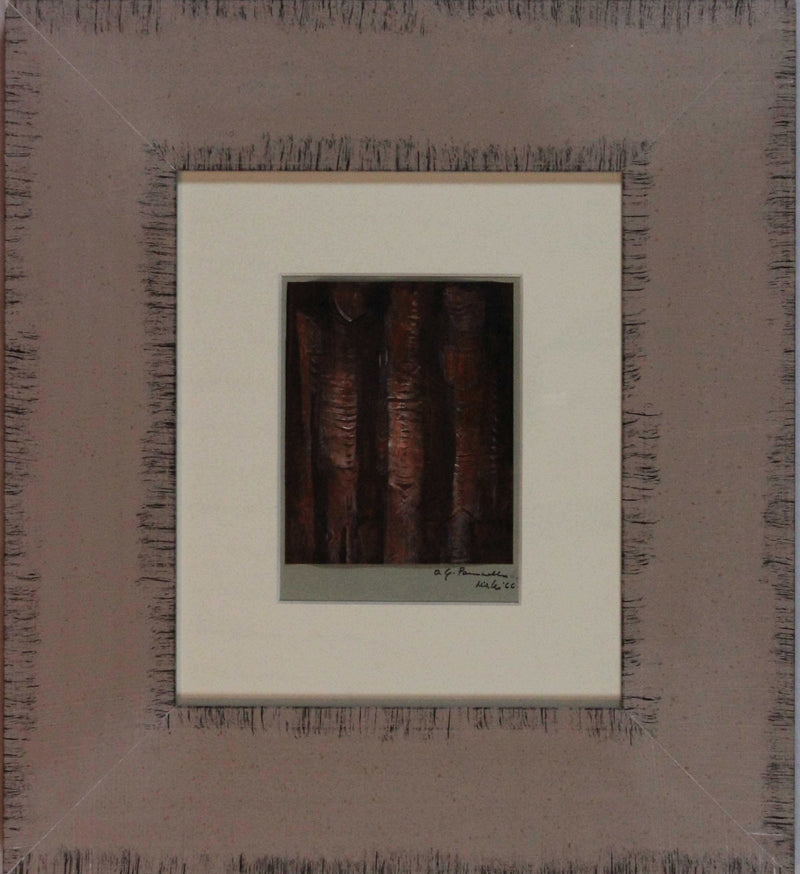
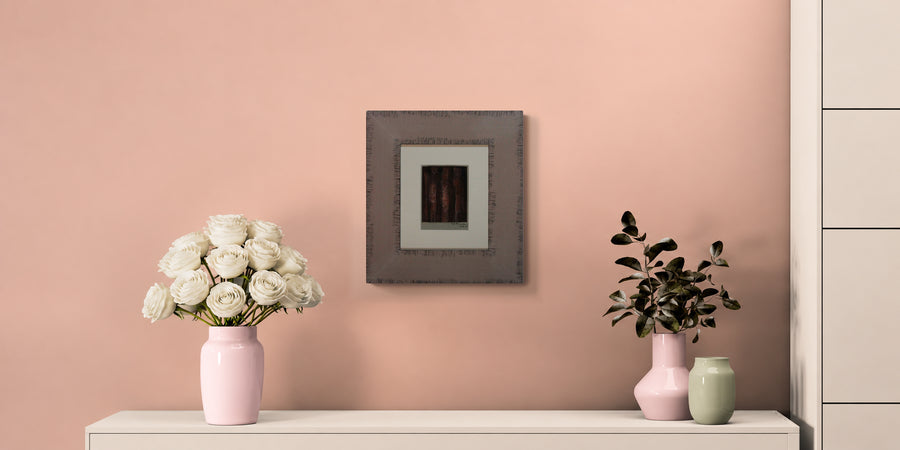
Pastels bring a vibrant touch and a distinctive luminosity to interiors, enhancing spaces with elegance, colour and personality. From portraits to landscapes, still lifes to abstract compositions, pastel artworks complement natural materials, neutral tones and contemporary furnishings, introducing delicate or more intense accents of colour.


EXPLORE THE TECHNIQUE
Frequently asked questions
Simple and clear answers to the most common questions.
What is pastel and how does it differ from other techniques?
Dry pastel uses stick-shaped pigments with a reduced amount of binder. Compared to graphite pencil, it offers a wider chromatic variety, while compared to watercolor, it does not require water for normal application. It stands out from oil pastel for its powdery consistency and the different composition of the binder.
On what supports can pastel be used?
It is mainly used on rough, grainy, or specially prepared paper to retain the pigment. Cardboard and panels with a suitable surface are also suitable. The color and grain of the support can directly contribute to the chromatic effect and texture of the work.
Is a pastel an original work of art?
Yes, when it is made directly by the artist and is not a reproduction. The technique does not determine the authenticity of the work on its own: attribution, provenance, and available documentation are elements to consider before purchase.
How do you recognize a quality pastel?
Artistic quality is assessed through the composition, the treatment of color, the sensitivity of the line, and consistency with the artist's language. For purchase, it is also important to consider the state of conservation, the stability of the pigment, the integrity of the support, authenticity, and provenance. The vibrancy of the colors, on its own, is not a guarantee of quality.
How do you properly conserve a pastel?
A dry pastel should be protected from direct contact, dust, sunlight, and excessive variations in temperature and humidity. A frame with protective glass and a spacer or matting that prevents the surface of the work from touching the glass is recommended. Avoid applying fixatives or cleaning the pigment yourself; for any interventions, consult a qualified restorer.
 Etching
The appeal of the etched line
 Aquatint
The nuances of intaglio
 Lithography
Freedom of line
 Screenprint
Colour takes shape
 Linocut
The strength of shapes
 Woodcut
The line cut into wood