

ARTISTIC TECHNIQUES
Artist multiples
Editioned works, between art, object, and experimentation.
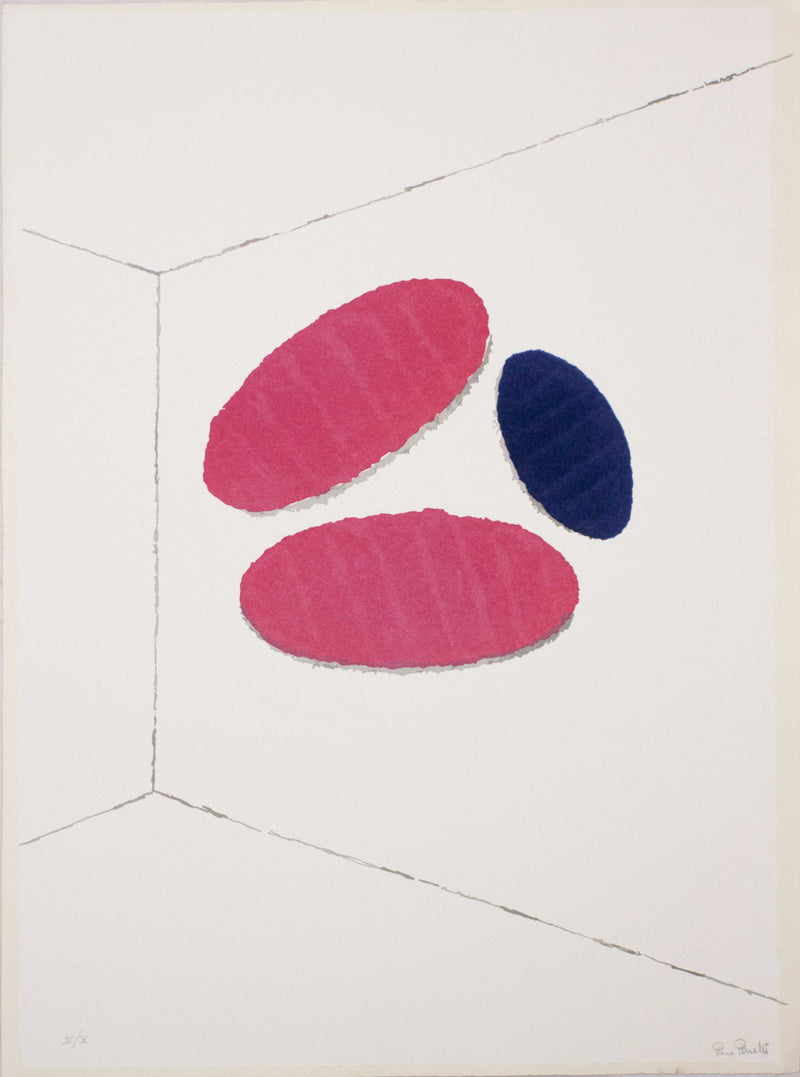
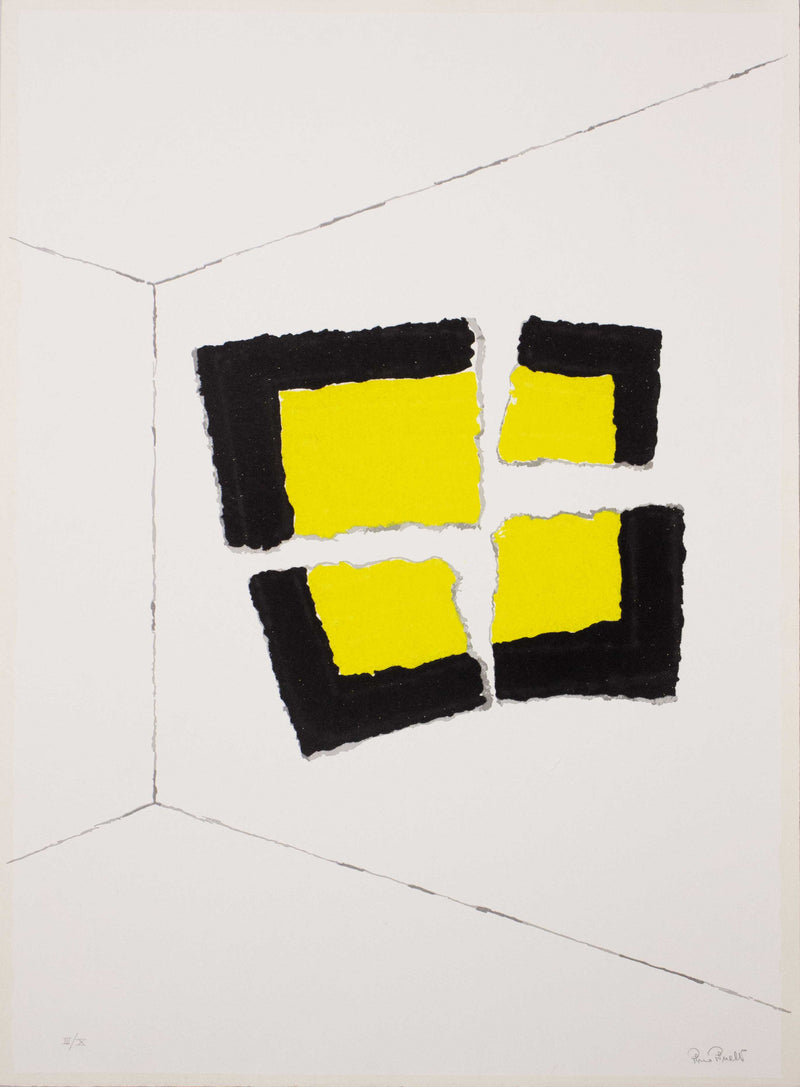
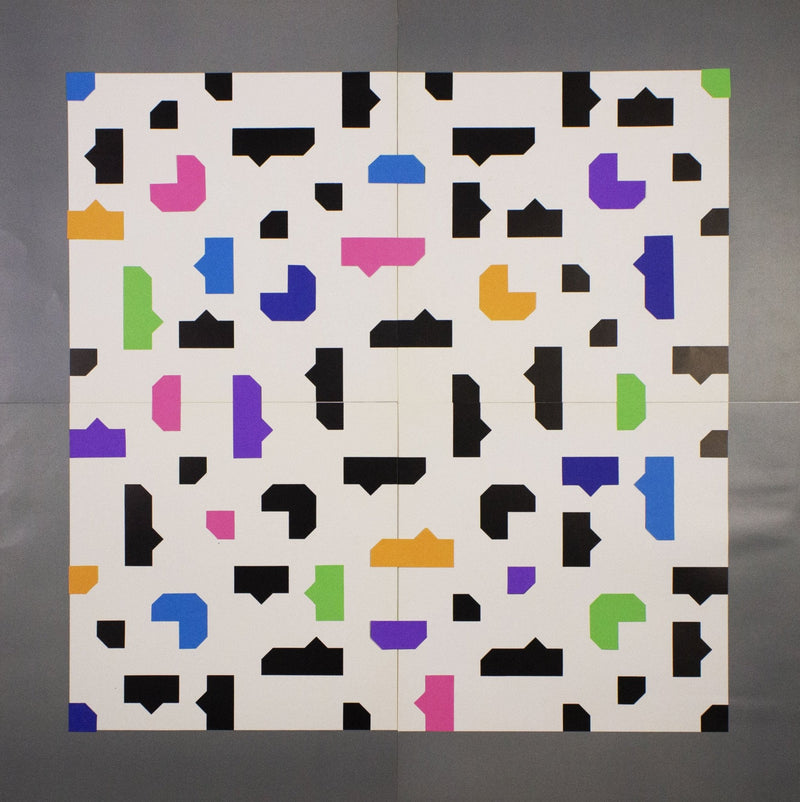
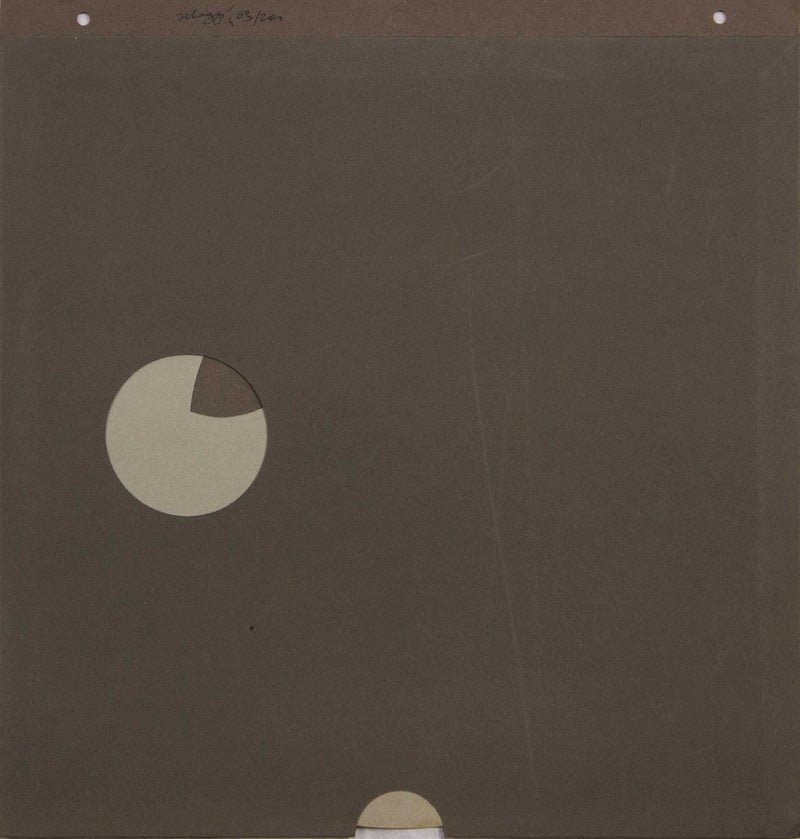
Artist multiples are works conceived to be produced in several copies using materials and techniques other than printmaking, such as reliefs, sculptures, objects, and assemblages.
OUR ARTIST MULTIPLES
Discover the selection of multiples from the great masters.

THE WORKS OF EMPORIUMART
What is an artist's multiple?
It is a work of art designed by the artist to be produced in multiple copies, often in limited editions. It can take the form of a relief, a sculpture, an object, an assemblage, or a three-dimensional installation.
Materials and techniques
Multiples can be made of metal, wood, glass, ceramic, resin, plexiglass, paper, fabric, and composite materials. Techniques range from casting to relief, from assemblage to modular construction.
Elements to consider
Check the signature, numbering, stated edition size, and any artist's proofs. The signature may be handwritten, engraved, stamped, or included on the certificate. The catalogue raisonné, when available, helps identify the edition. Also check provenance, documentation, and condition.
Our purchasing advice
Check the technique, materials, and edition description. Find out about the publisher and manufacturer when indicated. Examine the piece, assess the quality of its execution, and request documentation of authenticity.
Beyond prints: the forms of editioned art
A multiple can be an object, relief, or sculpture designed to be produced in multiple copies. Repetition is part of the artist's concept. Discover Prints and multiples as well.
EXPLORE THE TECHNIQUE
Frequently asked questions
Answers to the most common questions about editioned works.
What is the difference between a multiple and a print?
A print is created using a printing process. A multiple can also be made through casting, assemblage, relief, or other techniques, and it can have a three-dimensional structure.
Is a multiple an original work?
Yes, if the edition is conceived or authorized by the artist and the piece belongs to that edition. Documentation helps verify its authenticity.
Is it always produced in limited editions?
No. There are limited editions and open editions. The product page and documentation indicate the edition size and conditions when available.
Where are the signature and numbering located?
They can be on the front, on the back, at the base of the work, or on the certificate. The location and method depend on the edition.
Are artist's proofs more important?
Artist's proofs are part of the edition's history. The P.A. or H.C. designation does not determine the value of the piece on its own, which also depends on rarity, provenance, and condition.
What are the most commonly used materials in multiples?
Common materials include metal, wood, ceramic, glass, resin, and plexiglass. The choice depends on the artist's concept and the production technique.
 Etching
The appeal of the etched line
 Aquatint
The nuances of intaglio
 Lithography
Freedom of line
 Screenprint
Colour takes shape
 Linocut
The strength of shapes
 Woodcut
The line cut into wood