


ART TECHNIQUES
Acrylic Painting
Versatility, colour and experimentation.
A versatile modern painting technique that combines fast drying with varied effects, from even areas of colour to raised textures.
OUR ACRYLIC PAINTINGS
Artworks to discover, choose and live with every day.
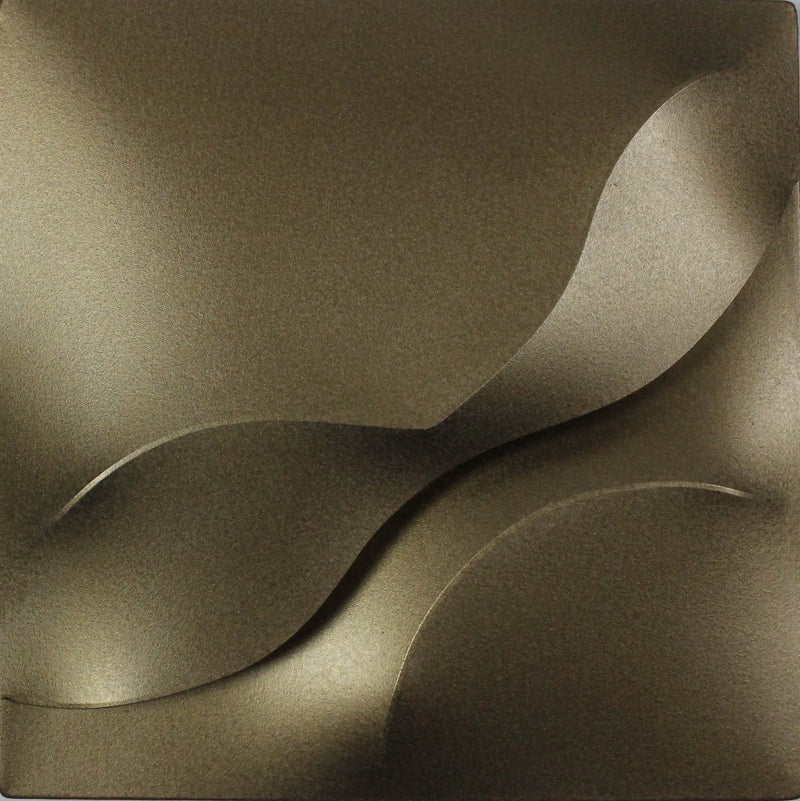
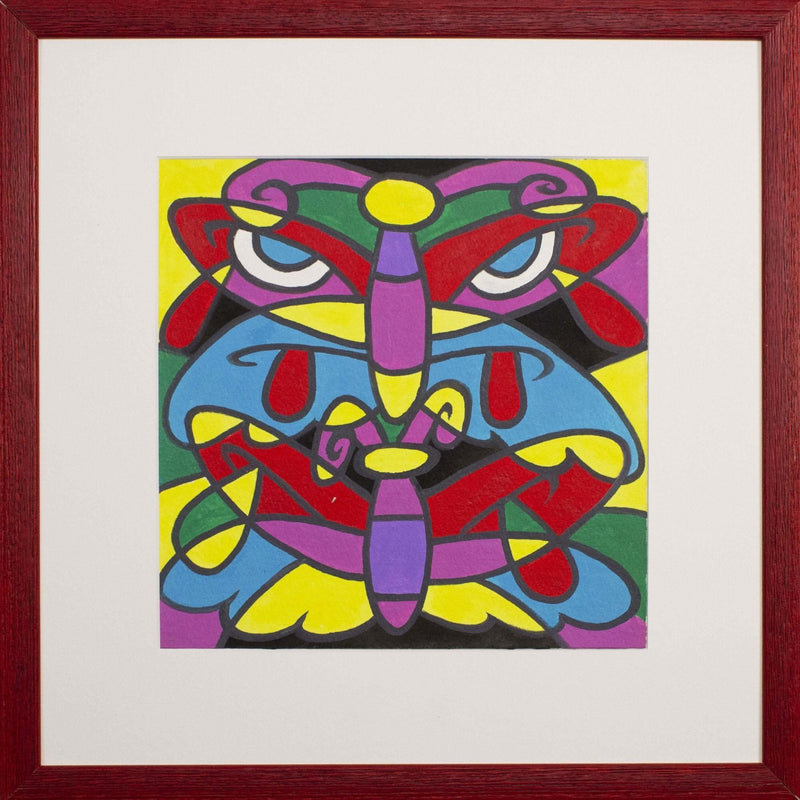
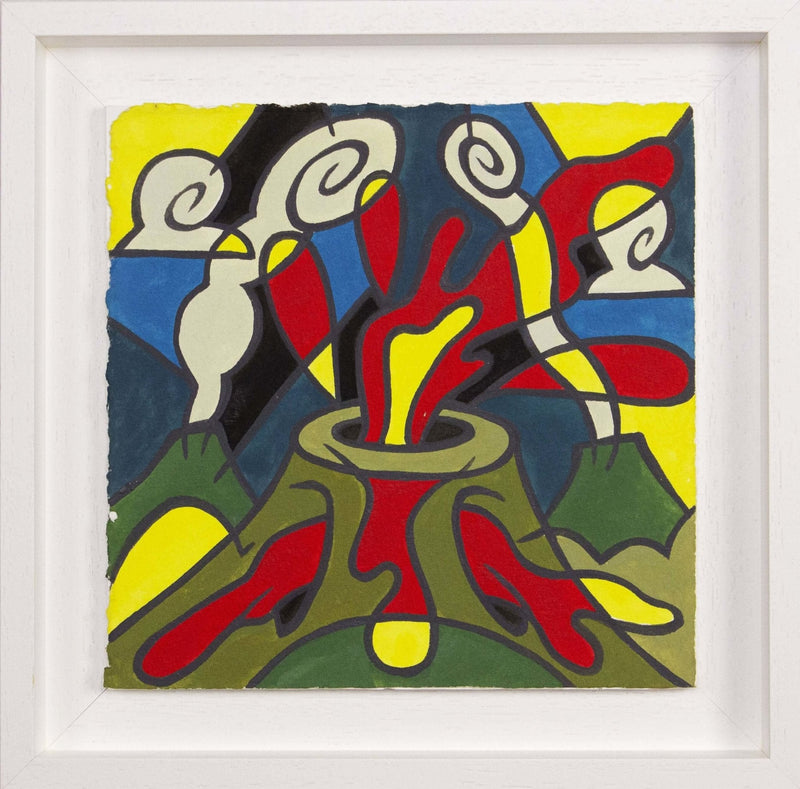
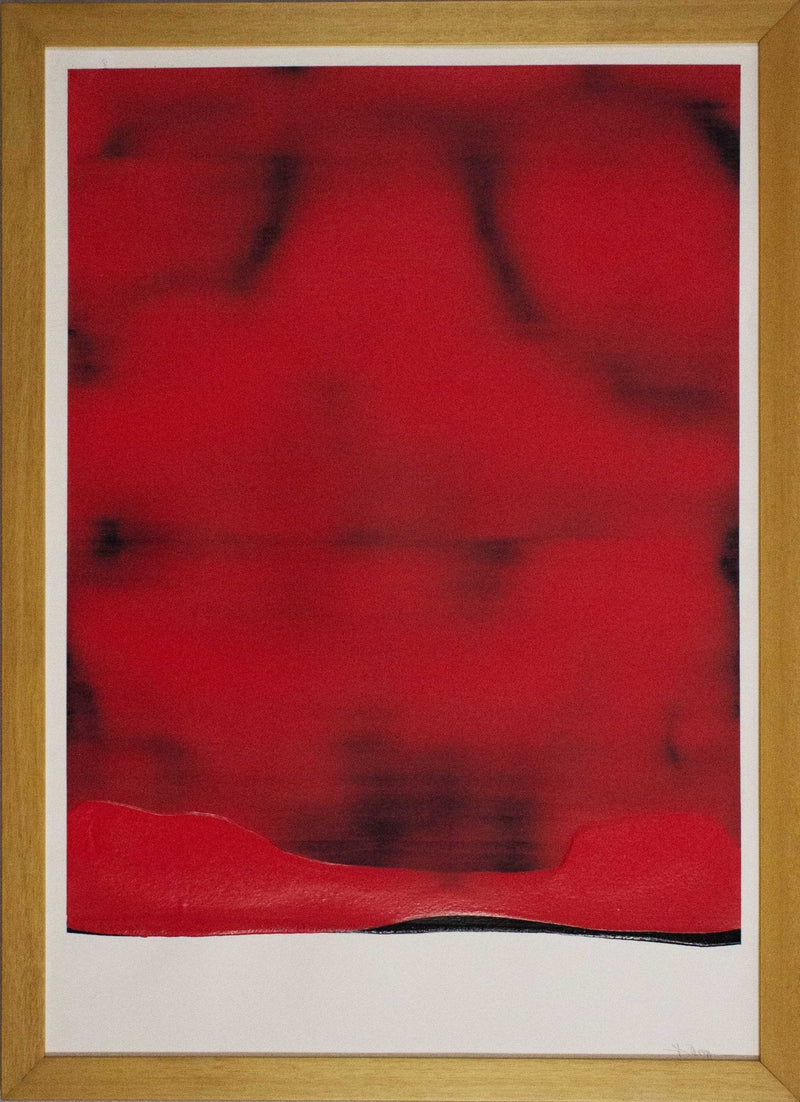

UNDERSTANDING THE ART TECHNIQUE
What is acrylic painting?
Acrylic painting uses pigments with acrylic-resin binders, usually dispersed in water. The medium became widespread in the twentieth century and is known for its fast drying time, versatility and broad range of effects, from transparent glazes and solid areas of colour to raised textures.
Acrylics let artists layer colours, experiment with different consistencies and work on many supports, giving them considerable freedom of expression.
Origins — From early twentieth-century developments to widespread use today
Synthetic resins developed in the first half of the twentieth century opened up new possibilities for painters. The first acrylic paints for artists appeared around the middle of the century, initially including solvent-based formulations. The wider availability of water-based acrylic dispersions made the medium increasingly accessible.
From the 1950s and 1960s, acrylic became widely used in modern and contemporary art, from abstraction to Pop Art. It lent itself to large areas of colour, gestural marks and compositions with varied surface effects.
How it is made — Materials, supports and methods
Acrylic paint can be applied with brushes, palette knives, rollers and other tools to canvas, paper, card, wood and other suitably prepared supports. Water or purpose-made mediums can adjust the consistency while preserving the properties of the binder.
Artists can work with flat colour, overlapping layers, glazes or thick impasto. Fast drying lets them work over earlier layers relatively quickly, while gels and modelling pastes create textured surfaces and relief.
Characteristics — Versatility, durability and expressive possibilities
Acrylics offer an extensive palette, fast working times and matte, glossy, transparent or textured effects. Once dry, the binder forms a generally water-resistant film. Its durability depends on the materials, support and storage conditions.
These qualities suit acrylic to figurative painting, experimental abstraction and mixed-media work.
Art in your spaces
A contemporary colour palette.
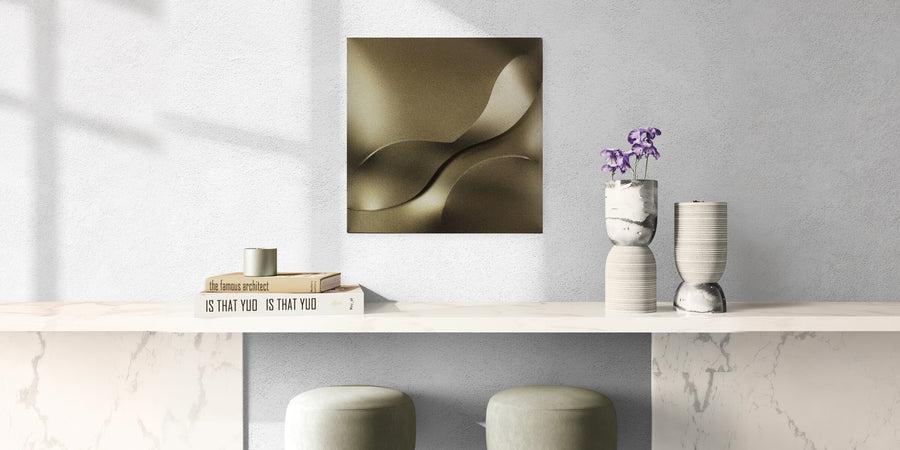
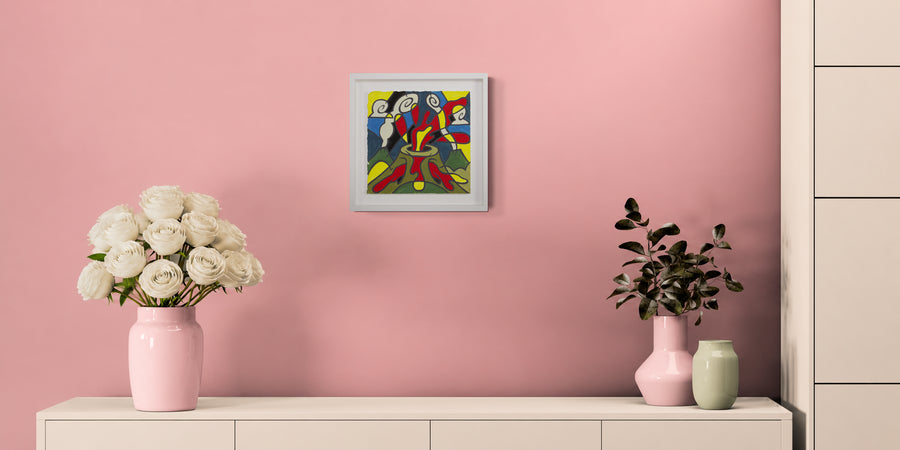
From Art Informel to contemporary experimentation, acrylic painting suits many styles and subjects and gives interiors a modern, personal touch. Areas of colour, transparent layers and textured surfaces interact in different ways with light, furniture and materials.

EXPLORE THE TECHNIQUE
Frequently asked questions
Clear, simple answers to common questions.
What is the difference between acrylic and oil paint?
Acrylic paint usually uses water-dispersed synthetic resins, while oil paint uses drying oils as a binder. Acrylic dries faster and makes layering easier. Oil gives artists more working time, especially for blending and subtle transitions. Both techniques offer a wide range of expressive effects.
What supports can acrylic be used on?
Acrylic paint can be used on canvas, paper, card, wood and many other compatible, properly prepared surfaces. The support affects colour, surface texture and the preservation of the artwork.
Is an acrylic painting an original artwork?
Yes, when the painting was made directly by the artist and is not a reproduction. Originality depends on the nature of the artwork, its attribution, provenance and any available documentation as well as the medium.
How can you recognise a quality acrylic painting?
Consider the work’s expressive quality, its place in the artist’s practice, its condition, support, provenance and documentation. A signature or certificate should be assessed alongside other evidence and alone does not guarantee authenticity.
How should an acrylic painting be preserved?
Avoid direct sunlight, sources of heat, fluctuations in temperature and humidity, and contact with abrasives or solvents. Acrylic surfaces can retain dust and are sensitive to improper cleaning. Consult a professional for cleaning or conservation.
EXPLORE OTHER ART TECHNIQUES
Techniques, materials, endless forms of expression.
 Etching
The appeal of the etched line
 Aquatint
The nuances of intaglio
 Lithography
Freedom of line
 Screenprint
Colour takes shape
 Linocut
The strength of shapes
 Woodcut
The line cut into wood