
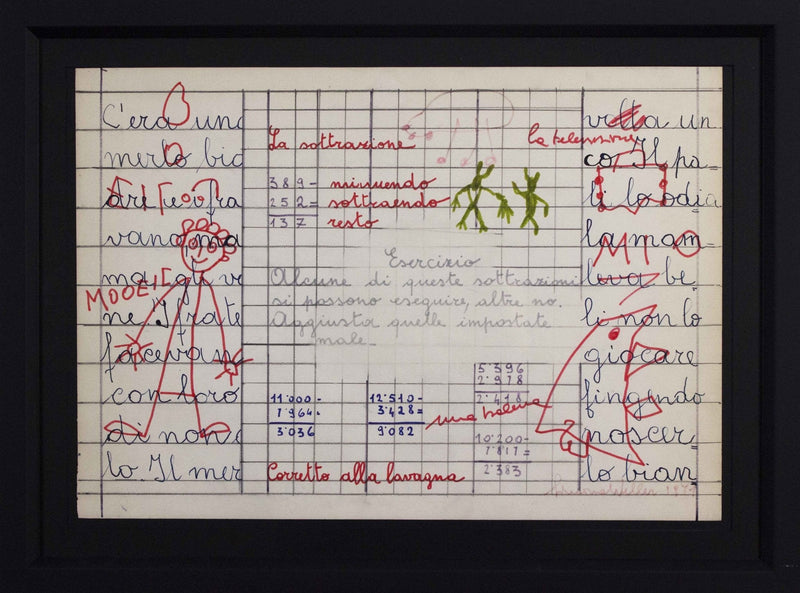

THE TECHNIQUES OF ART
Mixed media
Different materials, a single language.
A creative process that combines different materials, tools, and techniques, offering artists great freedom of expression and opportunities for experimentation.
OUR MIXED TECHNIQUES
Artworks to discover, choose and live with every day.
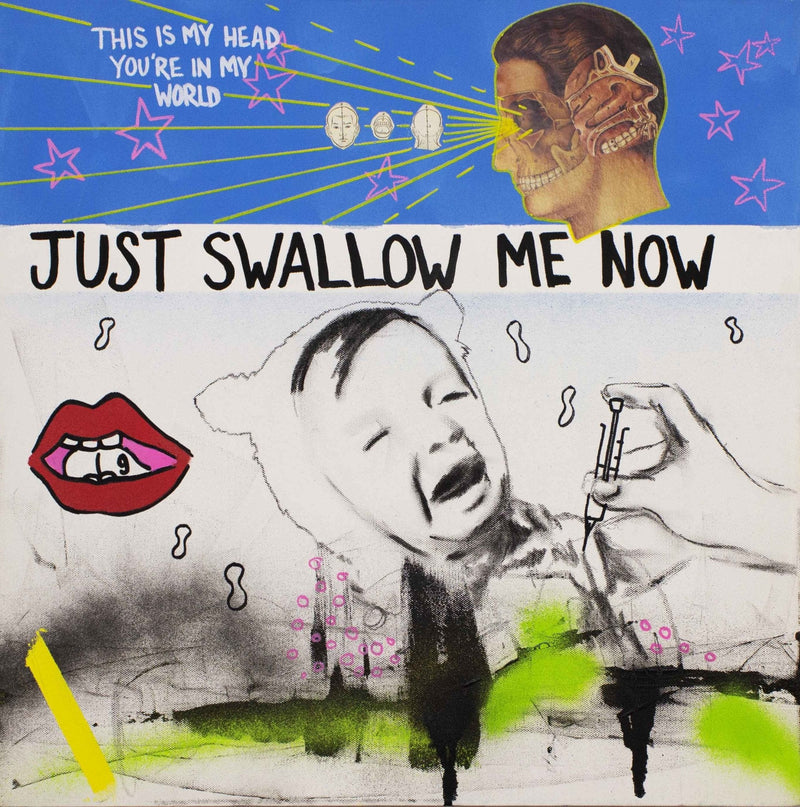
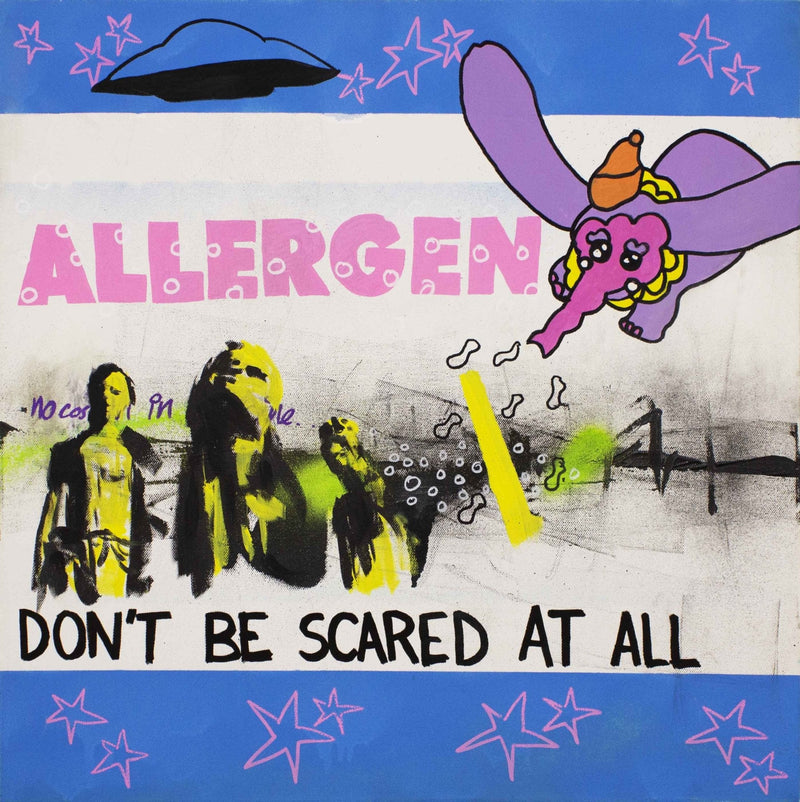
Stuart Semple
Just shallow me now
2005, Mixed media (acrylic, charcoal, spray paint, marker and glitter)
€3,000
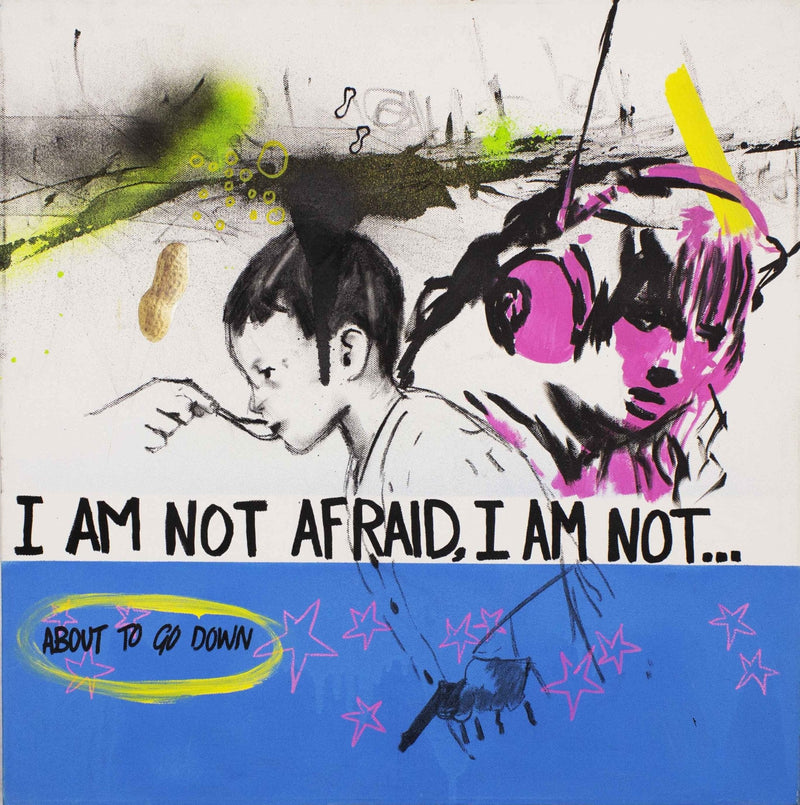
Stuart Semple
I am not afraid, i am not..
Mixed media (acrylic, charcoal, spray paint, marker and glitter)
€3,000

UNDERSTANDING THE ARTISTIC TECHNIQUE
What is mixed media?
Mixed media is an artistic process that combines different materials and techniques—painting, drawing, collage, textured elements, and other interventions—within a single artwork. It transcends the boundaries of traditional techniques, encouraging experimentation and the creation of personal, innovative visual languages.
It does not involve a single, standardized process: each artist can choose different combinations depending on the desired result. The dialogue between line, color, surface, and material becomes an integral part of the composition.
Origins—From the historical avant-garde to contemporary art
The combination of different materials has ancient precedents, but it took on a central role in the avant-garde movements of the twentieth century. In Cubism, Pablo Picasso and Georges Braque introduced paper fragments and other materials into their compositions, challenging the distinction between representation and reality. Dadaism further expanded these possibilities through the use of printed images, objects, and everyday materials.
In the aftermath of the Second World War, informal and material-based approaches gave the surface an independent expressive value. Alberto Burri, for example, explored the qualities of sacks, wood, and plastics, while Robert Rauschenberg incorporated painting and objects into his compositions. In contemporary art, mixed media continues to evolve, now incorporating photography, printmaking, and industrial materials.
How it is used—Materials, supports, and processes
The process may begin with a support made of paper, canvas, cardboard, or panel, chosen based on the characteristics and weight of the materials. The artist can combine graphite, ink, watercolor, acrylics, oil paints, papers, textiles, and other elements through layering, collage, engraving, or painting.
The order of the processes depends on the project and the compatibility of the materials. Absorption, adhesion, drying times, and the stability of the support are important factors: not all combinations are equally durable. Differences in texture, transparency, and relief can be used to create a complex surface rich in contrasts.
Characteristics—Versatility, materiality, and freedom of expression
Mixed media allows for the alternation of smooth and rough surfaces, delicate lines and solid areas of color, and figurative and abstract elements. Layering can add depth to the composition, while incorporated materials introduce tactile and visual qualities that go beyond color alone.
Each artwork has specific characteristics related to the artist's choices and the materials used. Conservation requirements also vary: paper, textiles, pigments, and adhesives may react differently to light, humidity, and mechanical stress.
Art in your spaces
Material and creativity in dialogue.
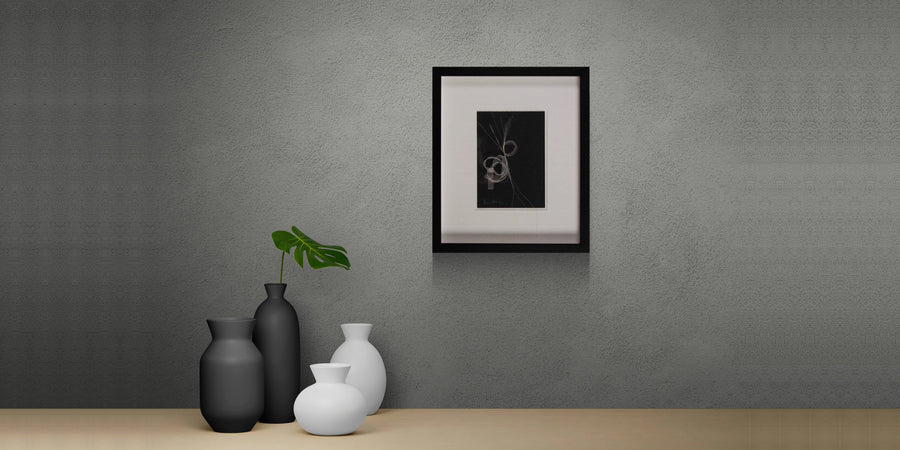
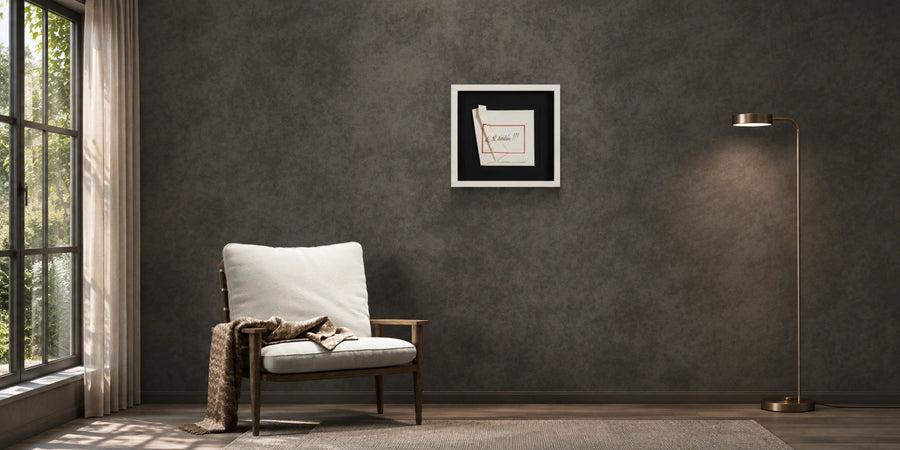
Mixed media brings richly textured works full of color and contrast into contemporary spaces, adding character and inviting visual exploration. Layered surfaces complement wood, textiles, and natural materials, while more minimalist compositions blend harmoniously into understated interiors. Diffused lighting can enhance the textures without exposing the artwork to intense light sources.

EXPLORE THE TECHNIQUE
Frequently asked questions
Simple, clear answers to the most common questions.
What is mixed media, and how does it differ from other techniques?
It is the use of multiple techniques or materials within a single artwork. It differs from traditional techniques used on their own because it combines different processes. Collage may be one component of a mixed-media artwork, but not all mixed-media works include collage.
What materials can be used?
Oil paints, acrylics, watercolors, inks, graphite, pastels, papers, textiles, photographs, and other materials can be used. The choice depends on the artist's visual language, the support, and the physical and chemical compatibility of the elements used.
Is a mixed-media artwork an original?
Yes, if the artwork was created directly by the artist and is not merely a reproduction. The term mixed media alone does not guarantee authenticity or uniqueness: attribution, provenance, documentation, and whether the artwork is part of a series must also be considered.
How is the condition of the artwork assessed?
It is important to examine the stability of the applied elements, the adhesion of the paint layers, the integrity of the support, and the presence of any lifting, detachment, or alteration. Tears, abrasions, and irregularities may also be intentional and part of the artist's visual language. A condition report and, when necessary, the opinion of a conservator help distinguish original characteristics from later damage.
How should a mixed-media artwork be properly preserved?
Preservation must take the specific materials into account. In general, it is advisable to avoid direct sunlight, excessive humidity, temperature fluctuations, dust, and contact with other surfaces. Works on paper may require a protective frame with a spacer; textured works need appropriate protection for their relief. Do not use detergents or adhesives, and entrust any necessary work to a qualified conservator.
 Etching
The appeal of the etched line
 Aquatint
The nuances of intaglio
 Lithography
Freedom of line
 Screenprint
Colour takes shape
 Linocut
The strength of shapes
 Woodcut
The line cut into wood