
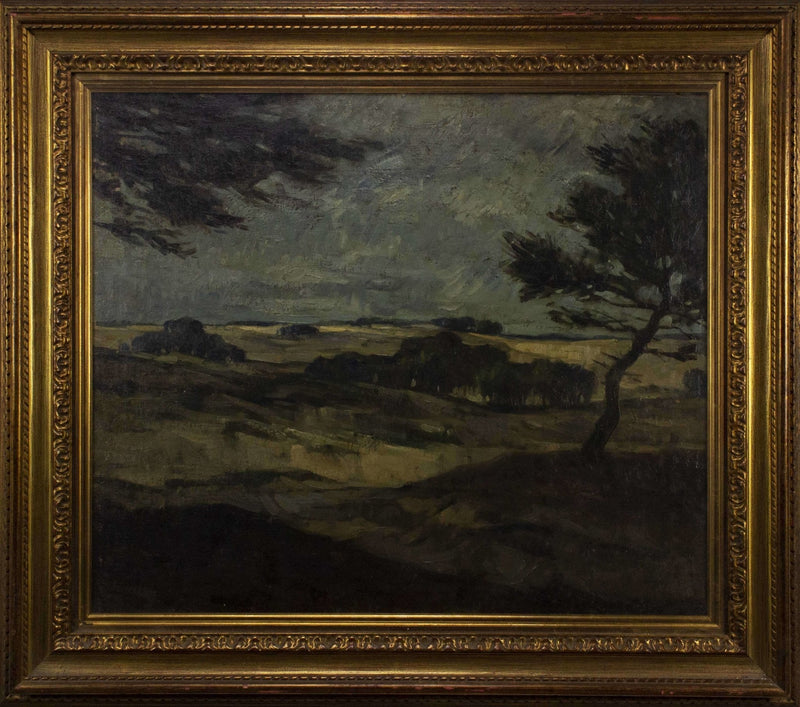

THE TECHNIQUES OF ART
Oil
Texture, depth and luminosity.
One of the most versatile and prestigious painting techniques, using pigments mixed with oils, capable of producing intense colors, rich shades, and extraordinary durability over time.
OUR OIL PAINTINGS
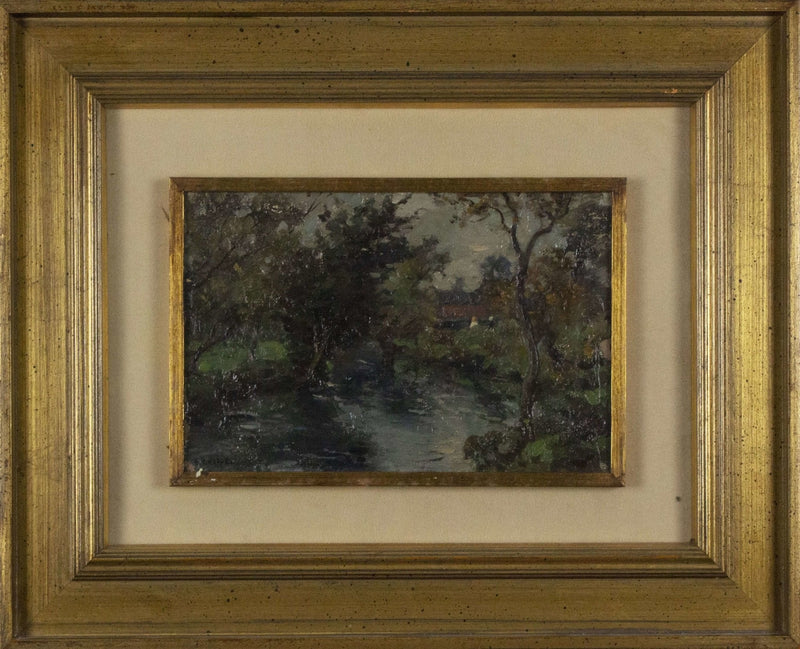
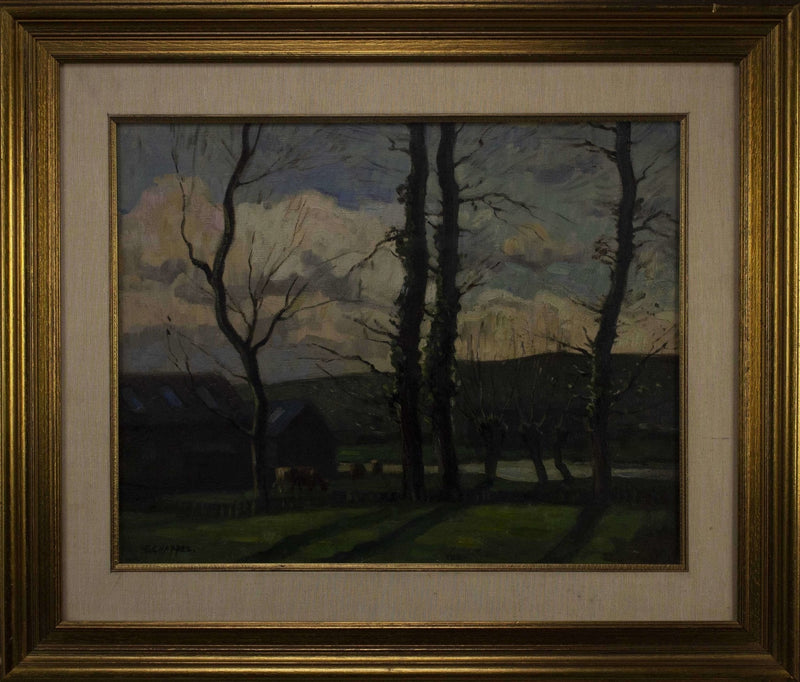
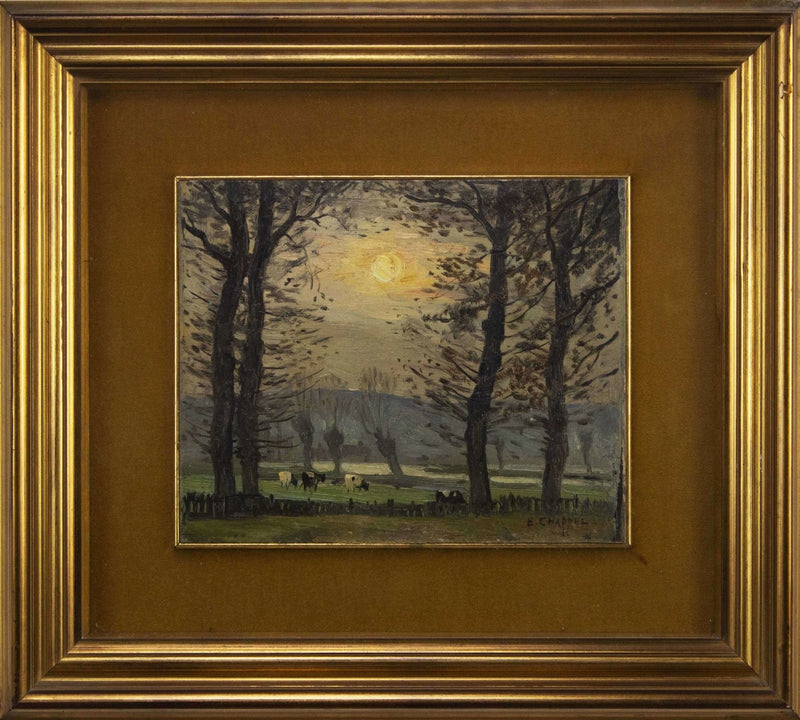
Artworks to discover, choose and live with every day.

UNDERSTANDING THE ARTISTIC TECHNIQUE
What is oil painting?
Oil painting is a technique that uses finely ground pigments mixed with drying oils, such as linseed oil. It allows for deep, luminous colors, extensive blending possibilities, and a rich texture. Valued for its versatility and longevity, it is one of the most important techniques in the history of art.
The oil binder hardens gradually through oxidation and polymerization. The relatively long working times allow the artist to blend colors, work on the forms, and build the composition through successive applications.
Origins — From ancient experiments to the great tradition
The use of oils as paint binders predates the European Renaissance. In the fifteenth century, Flemish painting made a decisive contribution to the refinement of the technique, developing methods capable of enhancing the transparency of the color layers, the precision of details, and the luminosity of surfaces. Jan van Eyck was one of its greatest practitioners, but not the inventor of oil painting.
In the Italian Renaissance, the technique spread to panel and later to canvas, offering new possibilities in the representation of light and space. In the following centuries, it became central to European painting, from Baroque compositions to Impressionist explorations. In modern and contemporary art, oil has continued to be used in both figurative and abstract works, also playing a fundamental role in experiments with matter and the painterly gesture.
How it is created — Materials, supports, and processes
Oil paints consist of pigments dispersed in drying oils, generally linseed, walnut, or poppy oil. They are applied with brushes, palette knives, or other tools to properly prepared supports, such as canvas, panel, and cardboard. Preparing the ground helps regulate absorption and protects the support.
The artist can work directly on the still-wet paint, according to the wet-on-wet method, or build the painting through successive layers. Glazes, achieved through thin, transparent applications, allow for the modulation of light and depth; thicker impasto, on the other hand, enhances the physical texture of the paint. When working in layers, it is important to respect the compatibility of the materials and the drying times to limit the risk of deterioration and cracking.
Characteristics — Color, texture, layering, and longevity
Oil painting is distinguished by its chromatic richness, the ability to achieve gradual tonal transitions, and a wide variety of surfaces. Depending on the artist's sensibility and the method used, it can produce uniform fields of color, luminous glazes, visible brushstrokes, or textured relief.
The relatively slow drying time facilitates the blending of colors and the revision of the composition during the process. However, the longevity of a painting depends on the quality of the materials, the execution technique, and the conditions of preservation. Oil offers expressive possibilities ranging from the meticulous representation of reality to abstract exploration, without imposing a single stylistic language.
Art in your spaces
The painting that adds character.
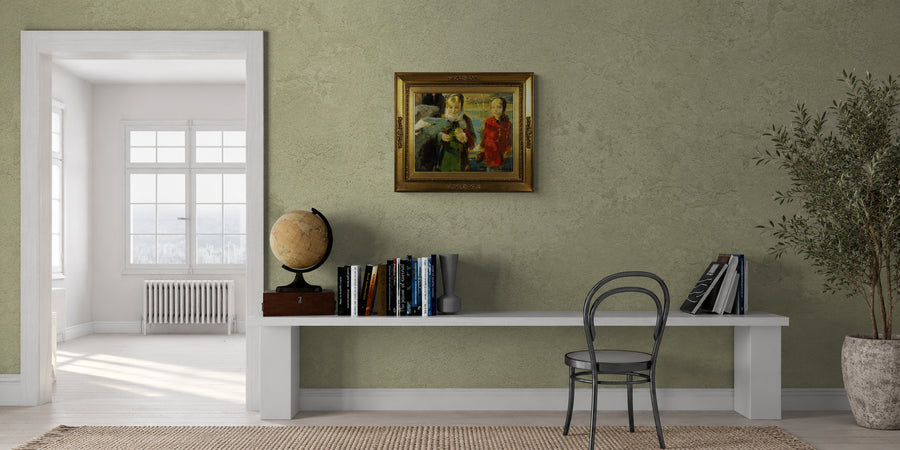
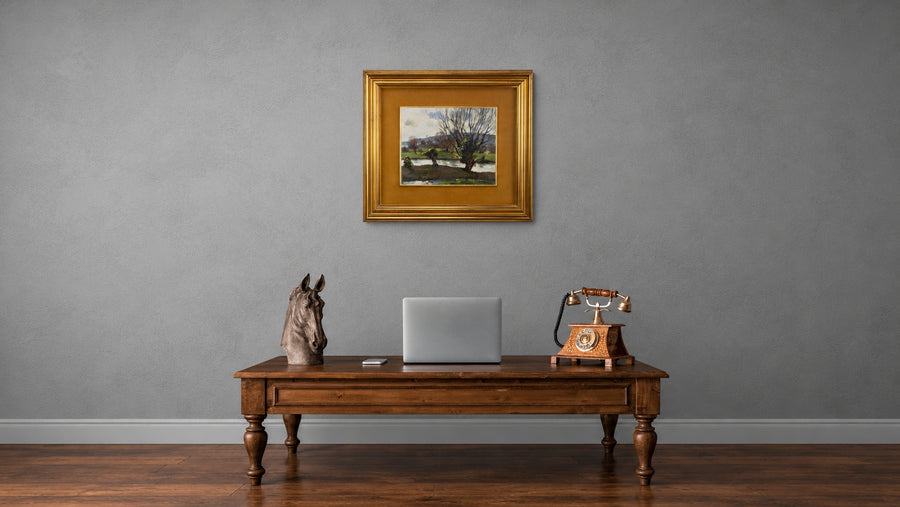
Oil paint, with its rich color and tactile presence, enhances spaces with elegance, warmth, and a striking visual impact. From landscapes to abstract compositions, from figures to still lifes, an oil painting can become the focal point of a space or harmonize with the colors and materials of the décor.

EXPLORE THE TECHNIQUE
Frequently asked questions
Simple, clear answers to the most common questions.
What is oil painting, and what distinguishes it from other techniques?
It is a technique that uses pigments bound with drying oils. Compared to acrylic, which generally dries faster, it offers longer working times and greater possibilities for blending colors. It is distinguished from watercolor, which uses a water-soluble binder and is often characterized by transparent applications.
On what supports can an oil painting be created?
Canvas and panel are the most common supports, but cardboard, paper, and other properly prepared materials can also be used. The choice of support influences the texture, color rendering, and preservation requirements. An oil painting is not necessarily oil on canvas.
Is an oil painting an original work of art?
Yes, when it is executed directly by the artist and is not a reproduction. The technique alone does not guarantee authenticity: attribution, provenance, and available documentation are important elements to evaluate before purchase.
How can you recognize a quality oil painting?
Artistic quality is assessed by considering the composition, the treatment of color and texture, consistency with the artist's language, and the expressive power of the work. At the time of purchase, it is also appropriate to examine authenticity, provenance, condition, and any restoration work. The thickness of the paint is not in itself an indicator of quality.
How should an oil painting be properly preserved?
It is advisable to place it in an environment with relatively stable temperature and humidity, away from direct sunlight, heat sources, and moisture. Avoid touching the painted surface, using detergents, or applying varnishes yourself. If there is lifting paint, cracking, or other damage, consult a qualified restorer.
 Etching
The appeal of the etched line
 Aquatint
The nuances of intaglio
 Lithography
Freedom of line
 Screenprint
Colour takes shape
 Linocut
The strength of shapes
 Woodcut
The line cut into wood