


Mario Tozzi OPERE


Mario Tozzi was born on October 30, 1895, in Fossombrone, in the province of Pesaro-Urbino, but spent his childhood in Suna, on the shores of Lake Maggiore. Son of a doctor passionate about literature, Tozzi showed a natural inclination for drawing from a young age. After abandoning his chemistry studies, he enrolled at the Academy of Fine Arts in Bologna in 1913, where he came into contact with Giorgio Morandi and Osvaldo Licini. Discharged from the First World War, he moved to Paris in 1919 with his wife Marie-Thérèse Lemaire, beginning an international artistic career that would make him one of the most important figures of the Italian twentieth century.
Mario Tozzi painter
The artistic path of the painter Mario Tozzi officially begins in 1913, when he enrolled at the Academy of Fine Arts in Bologna. His academic training, developed alongside names like Morandi and Licini, represents the first step towards a career that would develop internationally. After the war, in 1919, Tozzi settled in Paris, a fundamental choice for his growth as an artist. Here he participated in the main Salons, including the Salon des Artistes Indépendants and the Salon d’Automne, and soon stood out for his linear, plastic style, of great formal rigor.
As a painter, Mario Tozzi distinguished himself in the 1920s for an essential, classical, and innovative painting at the same time. His artworks reflect a synthesis between the Italian tradition and the influence of the French avant-gardes. In 1926 he founded in Paris the Groupe des Sept, together with Campigli, De Pisis, De Chirico, Savinio, Paresce, and Severini. Known as “Les Italiens de Paris,” these artists represent the liveliest presence of Italian art in the French capital.
Between 1936 and 1938, Mario Tozzi also devoted himself to the art of fresco, creating important decorations in Rome, such as that of the central hall of the General Command of the Militia, and in 1938 in Milan, at the Palace of Justice. His fame grew, so much so that he received the Legion of Honor from the French government. However, health problems forced him to slow down, marking a period of reflection in the 1940s and 1950s.
In 1958, with a solo exhibition at the Annunciata Gallery in Milan, Mario Tozzi returned to the artistic spotlight, presenting new artworks characterized by "white backgrounds" and a preference for female faces. This cycle marked a rebirth for the painter, who in the following years alternated stays in Rome, Suna, and Paris. At his death, which occurred in 1979 in Saint-Jean-du-Gard, he left a vast and significant artistic legacy. The publication of the General Catalogue Raisonné of Paintings in 1988 confirmed his central role in the history of Italian twentieth-century art.
Mario Tozzi valuations
The valuations of Mario Tozzi on the art market reflect the historical and artistic importance of his career. His oil paintings, especially those made in the 1920s and 1930s and the famous white backgrounds of the 1960s, are among the most sought-after artworks by collectors and auction houses. Valuations for these works can exceed 30,000 euros, particularly when they have documented provenance or are included in the Catalogue Raisonné.
Tozzi's drawings also enjoy good consideration, especially those on paper made during his French exile or during stays in Suna. Market values for these works generally range between 2,000 and 5,000 euros, depending on the subject and size.
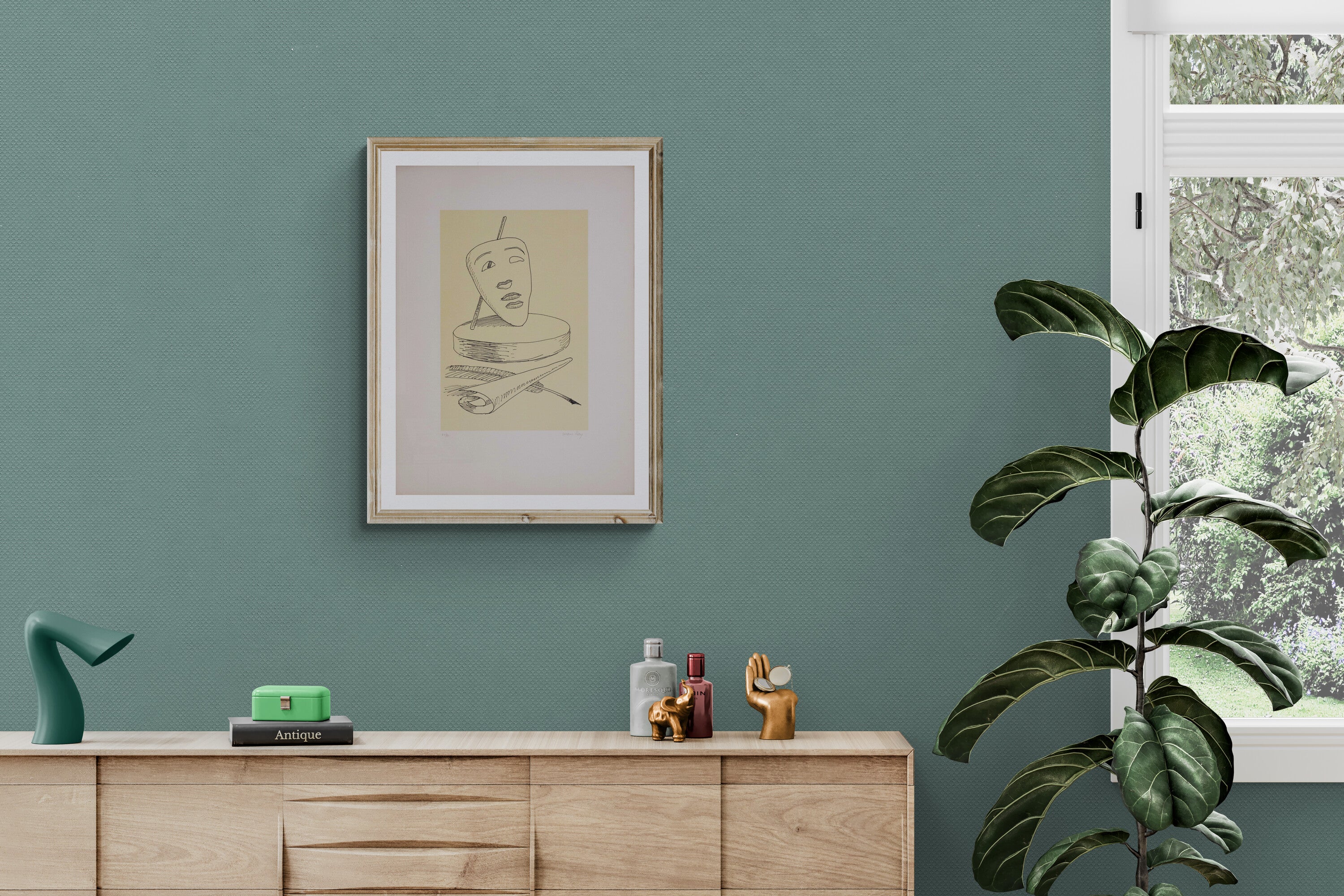
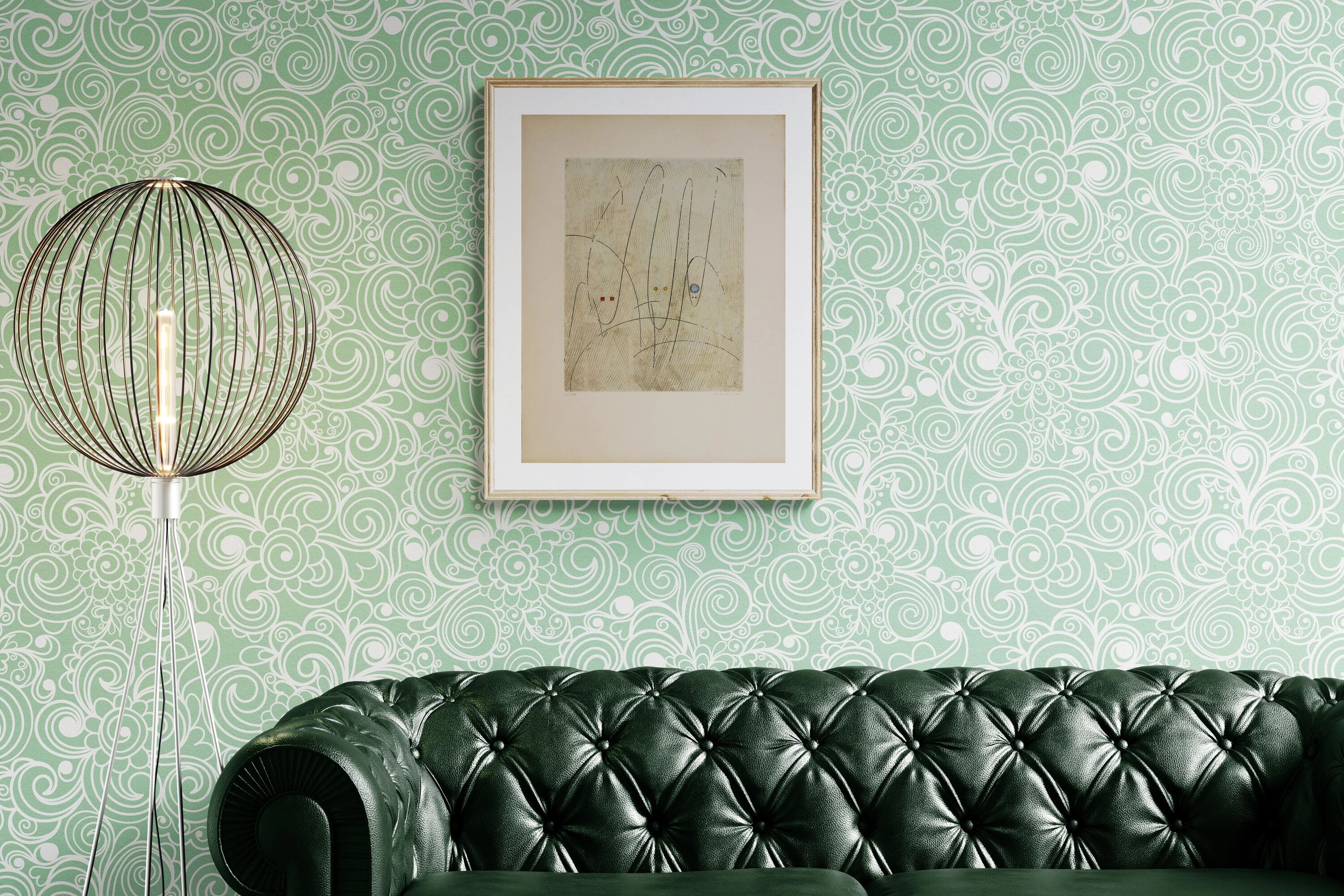
In particular, Mario Tozzi's color lithographs and etchings represent an accessible but significant segment of his production. The lithographs, often dedicated to female portraits or abstract compositions, are valued between 500 and 1,500 euros. The etchings, less frequent but visually striking, can reach similar values, especially if signed and numbered.
The valuations of Mario Tozzi have been rising in recent years also thanks to the work of the Mario Tozzi Archive, officially recognized in 2021 by the Ministry of Culture as of particularly important historical interest. The online publication of the general catalog and retrospective exhibitions have helped increase the visibility of his work, pushing market values upward.
Collecting an artwork by Tozzi today means not only investing in a great name of the Italian twentieth century but also contributing to the rediscovery of a master who was able to combine classicism and modernity in a unique and recognizable pictorial language.
Ti piace Mario Tozzi?
Per ricevere gli ultimi aggiornamenti di questo artista, lascia la tua email qui sotto:Il tuo indirizzo email è stato aggiunto alla lista dell'artista.
