
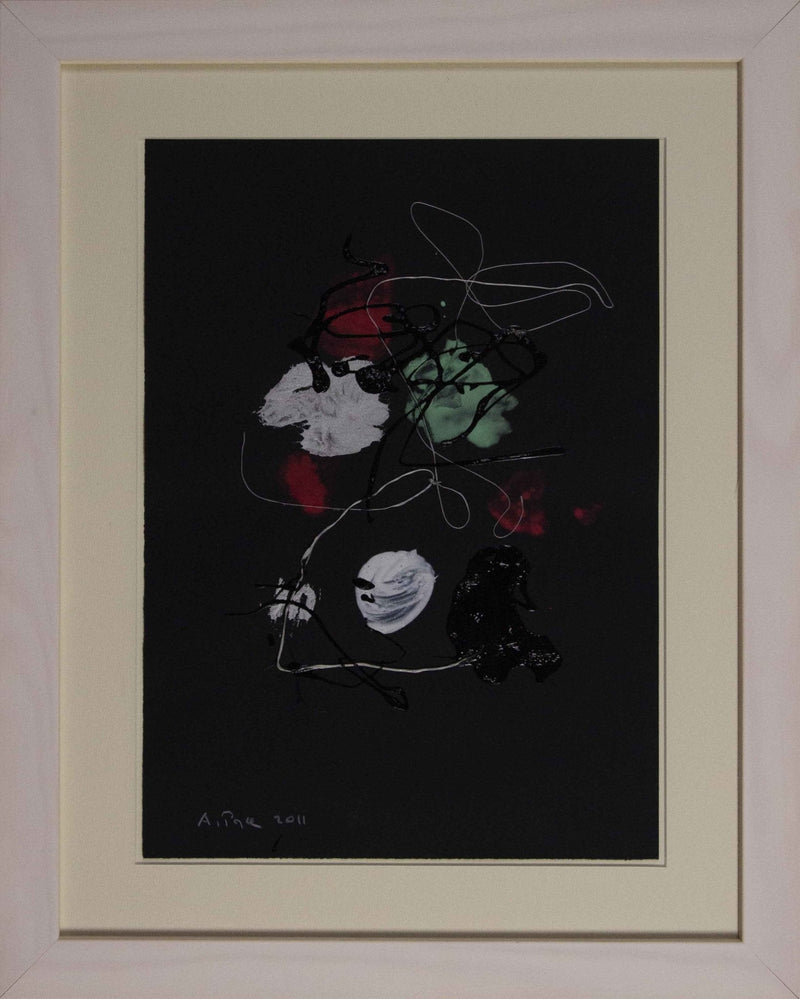

Drawings
The most direct expression of an idea.
A selection of original drawings, from twentieth-century artists to contemporary masters, exploring line, experimentation and freedom of expression.
OUR DRAWINGS
Works on paper shaped by line, ideas and creativity.
The main drawing techniques
Dry media
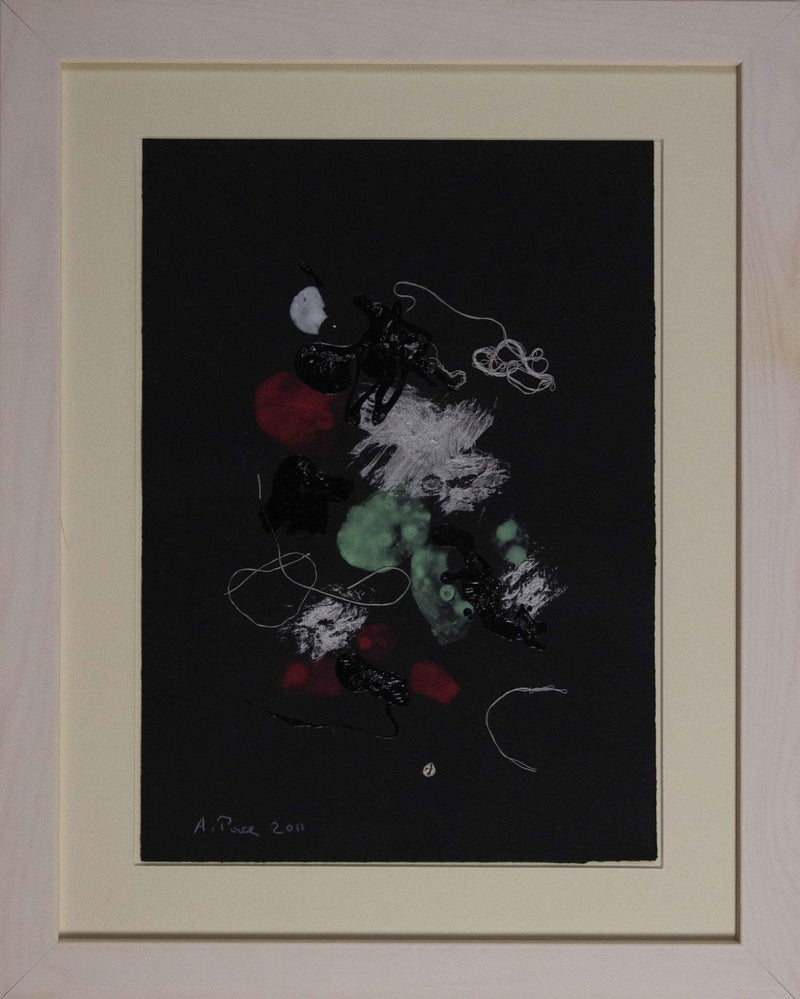
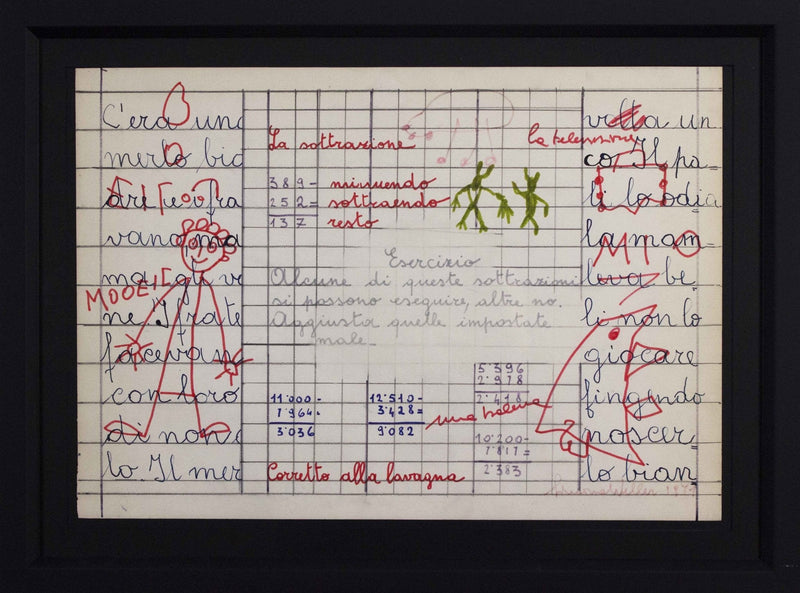
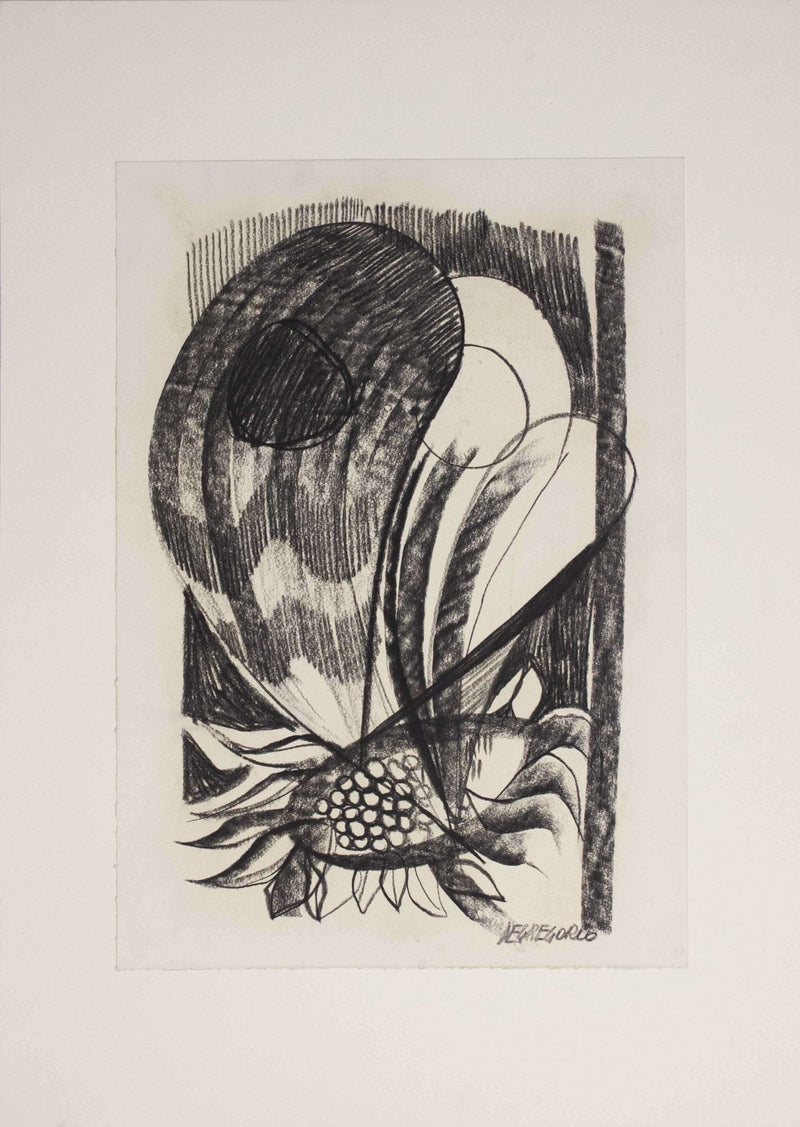
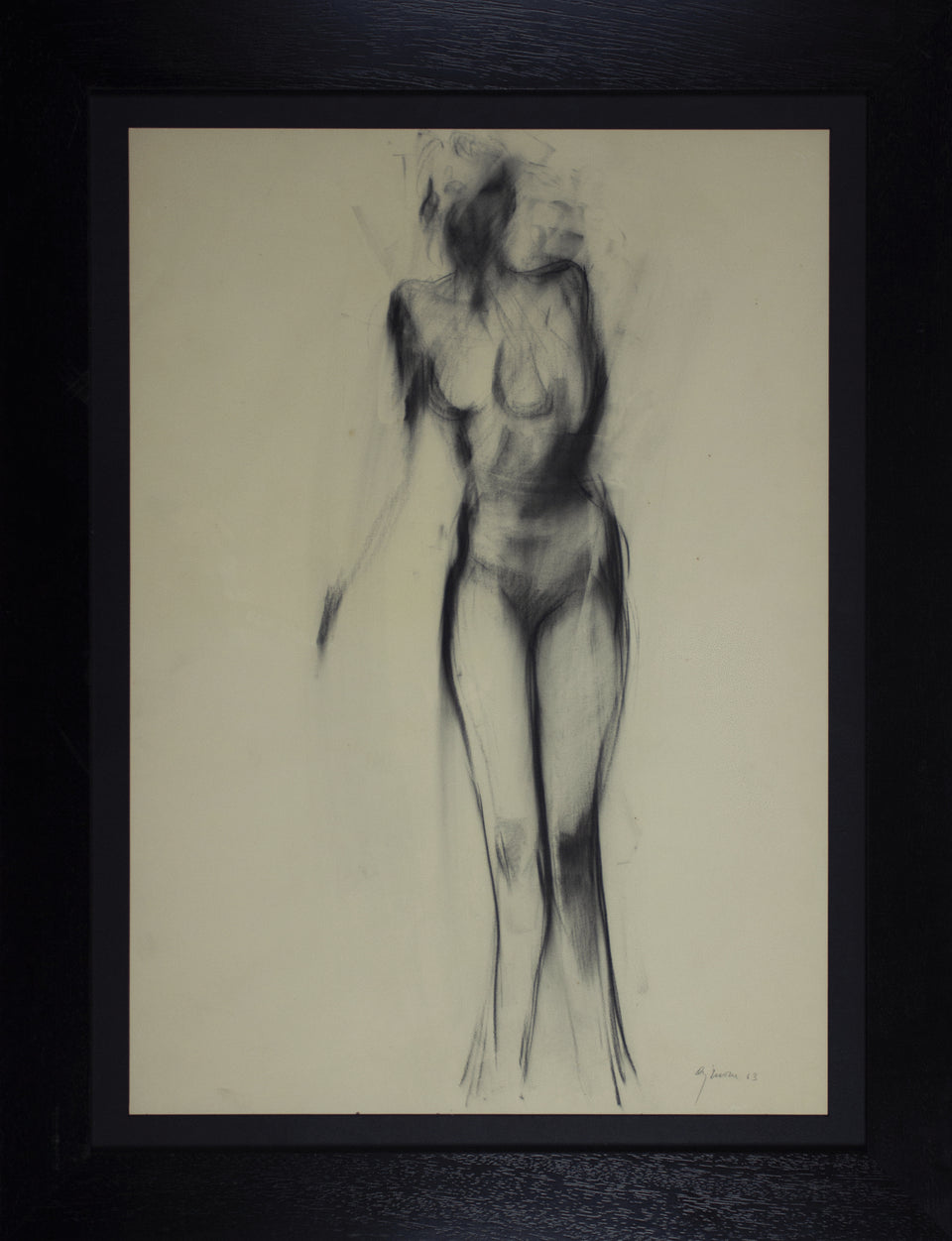
Pencils, charcoal, red chalk, soft or oil pastels and chalk make marks directly on the support. They allow precise lines, shading and contrasts of light and dark.
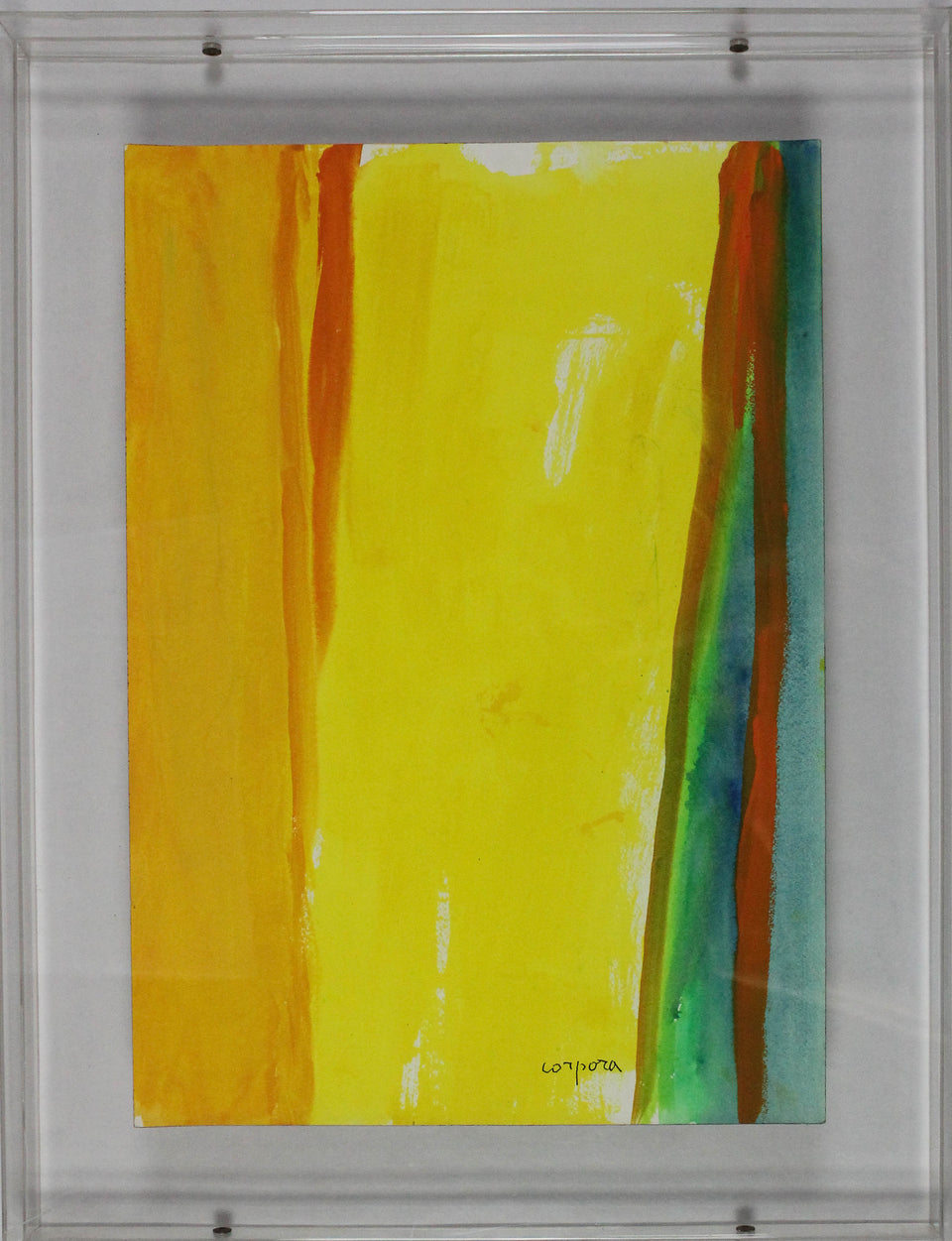
Wet media
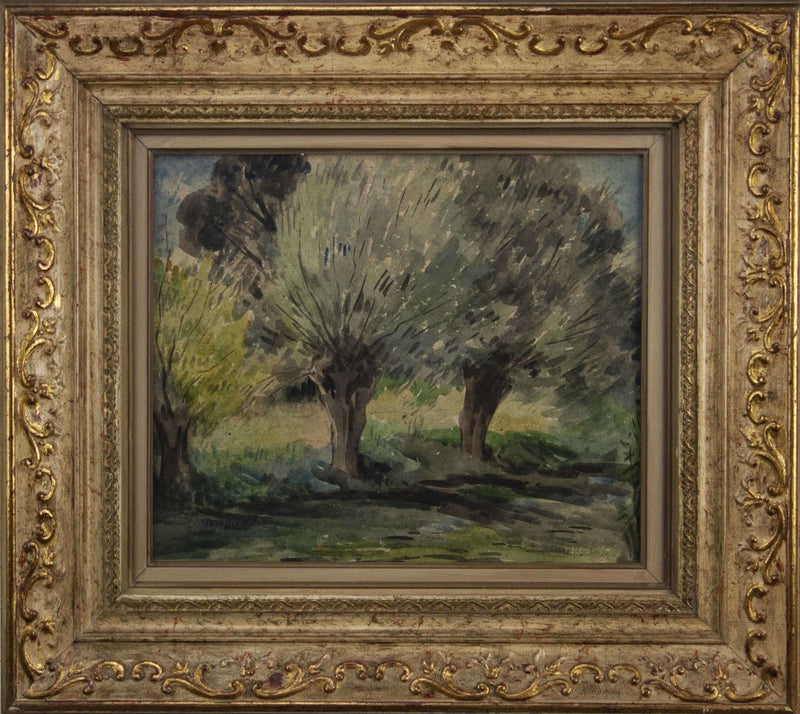
Brushes and nibs apply fluid materials to produce crisp marks, washes and tonal variations. India ink is a drawing ink.
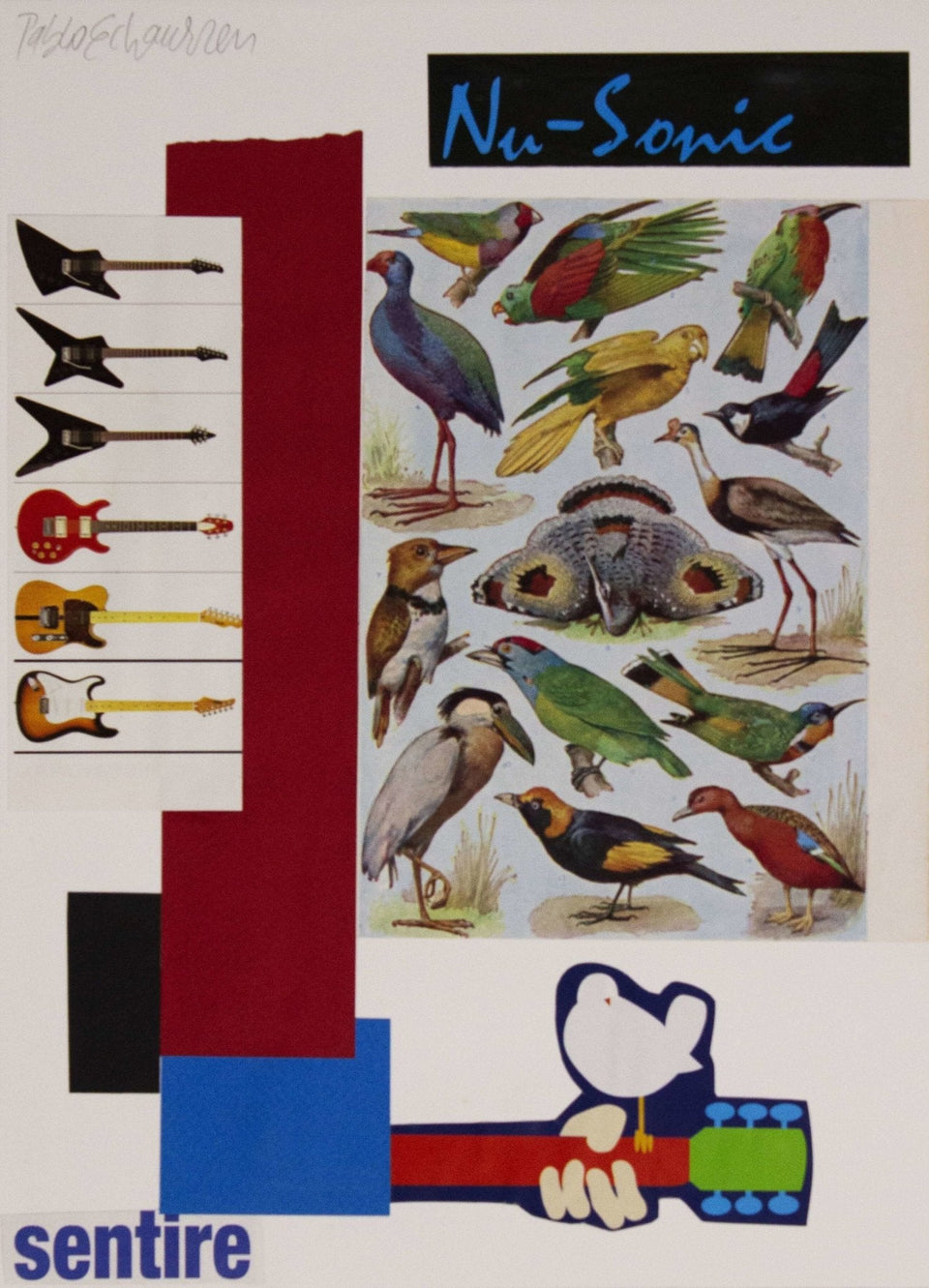
Mixed media
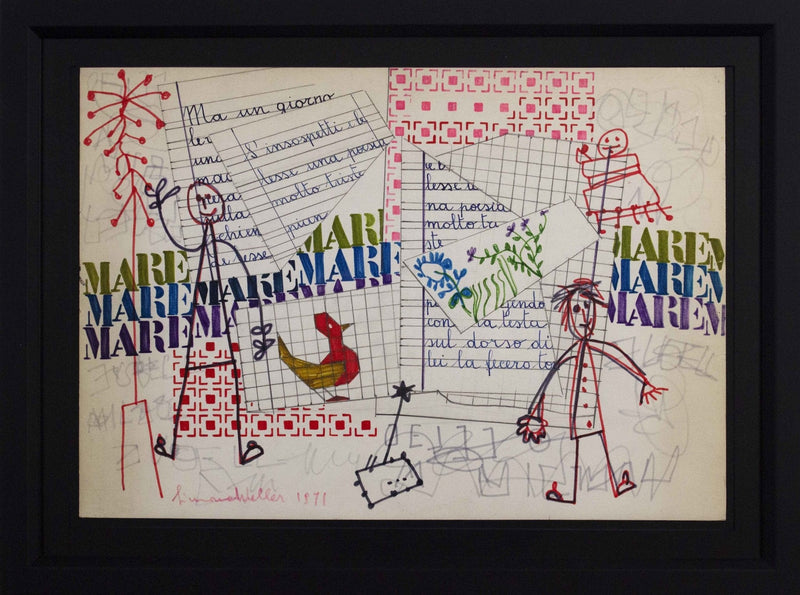
Different materials and processes can share a single work. Collage can also be combined with drawing.
Drawing as an artwork
Through mark-making, artists turn ideas, observations and formal experiments into images. A drawing can be a preparatory study or an independent work. In twentieth-century and contemporary art, drawing has become an expressive medium in its own right.
Drawing supports
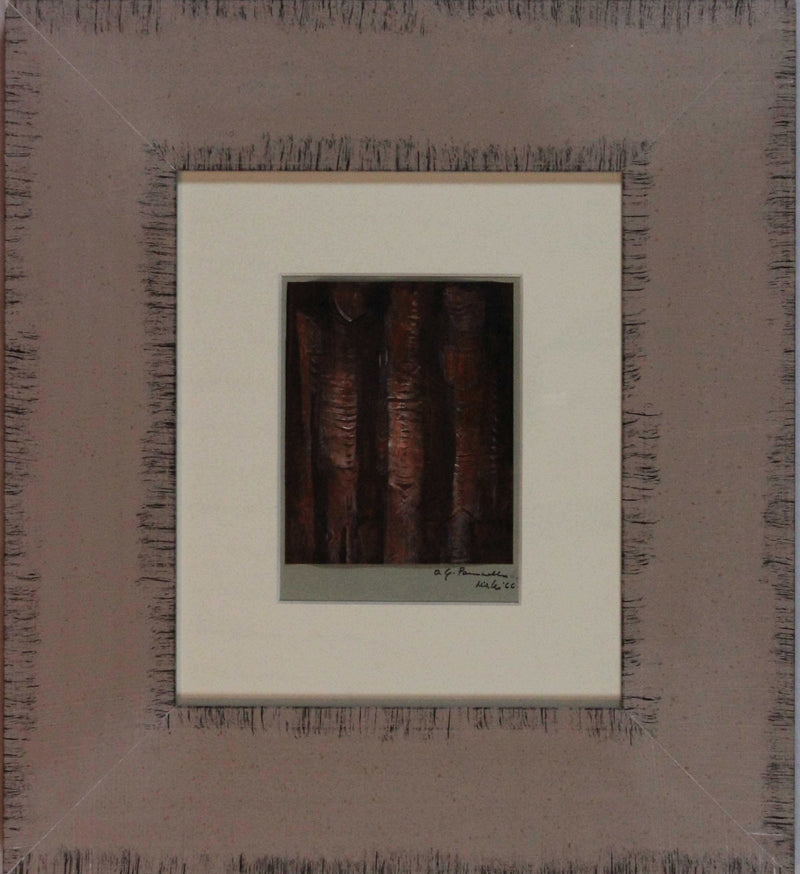
Paper is the most common support and comes in different weights, colours and finishes. Cardstock, board and parchment offer other possibilities. The support affects marks, absorption and preservation.
What to look for
Signature
A signature helps identify a drawing when considered alongside the available documentation.
Technique
Materials and processes help explain the work’s visual language.
Support
The quality and condition of the support affect preservation.
Dating
The date places the drawing in the artist’s creative career.
Catalogue raisonné
The catalogue can document the attribution and history of the work.
Authenticity and provenance
Check provenance, documentation and condition.
Our buying advice
- Check the technique and its description.
- Check the signature and date where present.
- Assess the support and condition.
- Consider the period and artistic context.
- Consult the catalogue raisonné if available.
- Request documentation for the work.
Explore the category
Frequently asked questions
Clear answers to the most common questions.
Is a drawing a work of art in its own right?
Yes. It can be a study or an independent work with its own artistic identity.
What are the most common drawing techniques?
Pencil, charcoal, red chalk, pastel and ink are among the most common.
Does the support affect the value of a drawing?
The material and condition of the support are considered alongside attribution, quality and provenance.
Does a drawing have to be signed?
A signature can help identify the work. Attribution and authenticity are assessed alongside the documentation and the artist’s body of work.
How is the authenticity of a drawing verified?
Check provenance, documentation and, where available, the catalogue raisonné. If in doubt, consult the artist’s archive or a specialist.