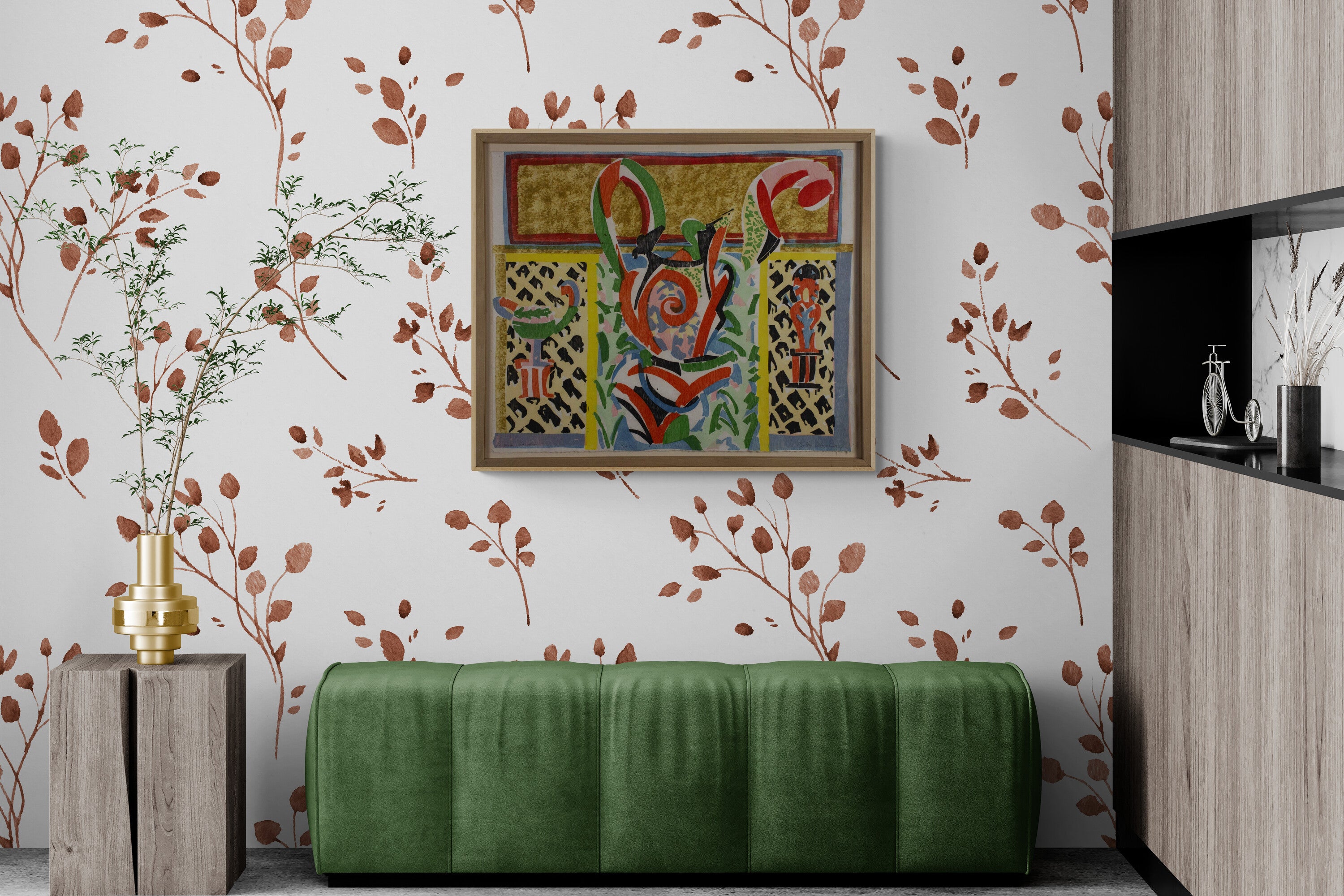



Betty Woodman (Norwalk, Connecticut, 1930 – New York, 2018) made a decisive contribution to transforming contemporary ceramics, transcending the traditional distinction between functional objects, sculpture, and painting. Her vases, installations, and wall compositions stand out for their extraordinary formal freedom: handles that become wings, profiles reminiscent of architecture, surfaces painted in luminous colors, and gestures that seem to extend beyond the boundaries of the object.
From Craft to Artistic Exploration
Woodman took up ceramics at a very young age and studied at the School for American Craftsmen at Alfred University in New York State. Initially, she devoted herself to producing functional objects, developing an in-depth knowledge of clay, the potter’s wheel, glazing, and firing. This technical expertise would remain the foundation for her later experiments, even when her artworks lost all practical purpose.
A trip to Italy in 1952 brought her into contact with Mediterranean ceramic traditions, particularly maiolica. Her relationship with Italy, and especially with Florence, would endure. Woodman also looked to Etruscan, Minoan, Asian, and Baroque ceramics, not to reproduce their models faithfully, but to understand their decorative and structural possibilities. The vase, one of the oldest forms in material culture, becomes the starting point for a surprisingly modern language.
The Vase Beyond Function
In her mature artworks, the vase is no longer just a container. Its body may open up, widen, or come apart; the handles take on dimensions of their own, and the painted surface suggests volumes that sometimes contradict the actual ones. Woodman exploits this ambiguity with irony and intelligence: an object we immediately recognize becomes something unexpected, suspended between sculpture and image.
Color plays a fundamental role. Glazes, decorations, and painted areas do not merely cover an already defined form: they help alter its perception. In some artworks, three-dimensional ceramic elements combine with painted backgrounds or architectural supports, creating installations in which the wall becomes part of the composition. L’observer does not encounter a simple decorative object, but an environment of relationships between material, painting, and space.
Ceramics as a contemporary language
Woodman taught at the University of Colorado Boulder and received major international recognition. The retrospective organized in 2006 at the Metropolitan Museum of Art in New York helped consolidate her position in the history of contemporary art, showing how ceramics could be approached with the same ambition as painting and sculpture.
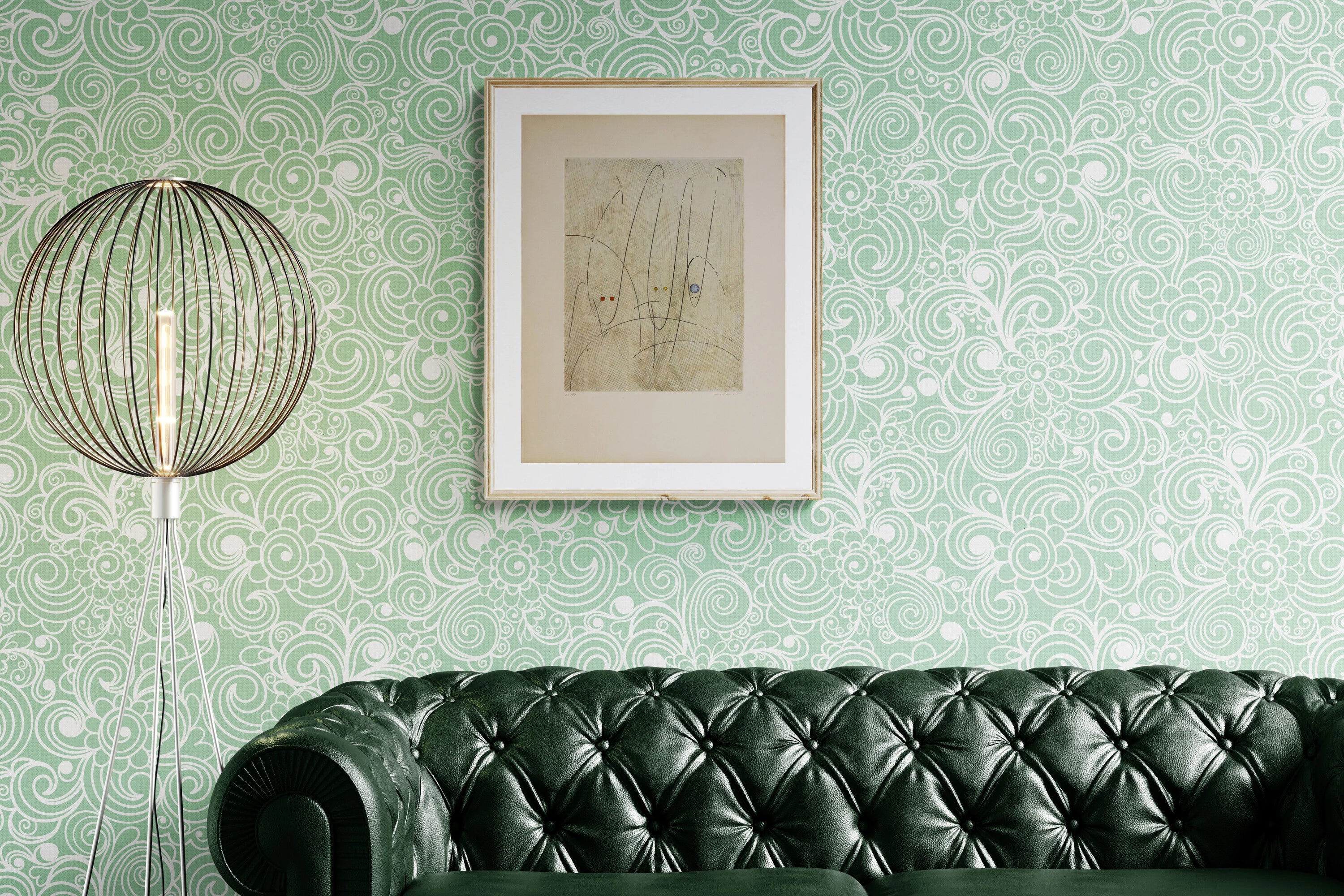
His work invites us to reconsider the categories we use to describe artworks. A modeled and glazed piece, a ceramic multiple, a preparatory drawing, and a print on paper involve different production processes. Catalog entries should therefore distinguish material, technique, any edition, signature, and provenance, without reducing everything to the generic designation of ceramics.
The strength of his legacy lies in having made tradition a resource for invention. Ancient forms are not treated as immutable models, but as possibilities to be reinvented through gesture, color, and joyful compositional freedom.
Ti piace Betty Woodman?
Per ricevere gli ultimi aggiornamenti di questo artista, lascia la tua email qui sotto:Il tuo indirizzo email è stato aggiunto alla lista dell'artista.