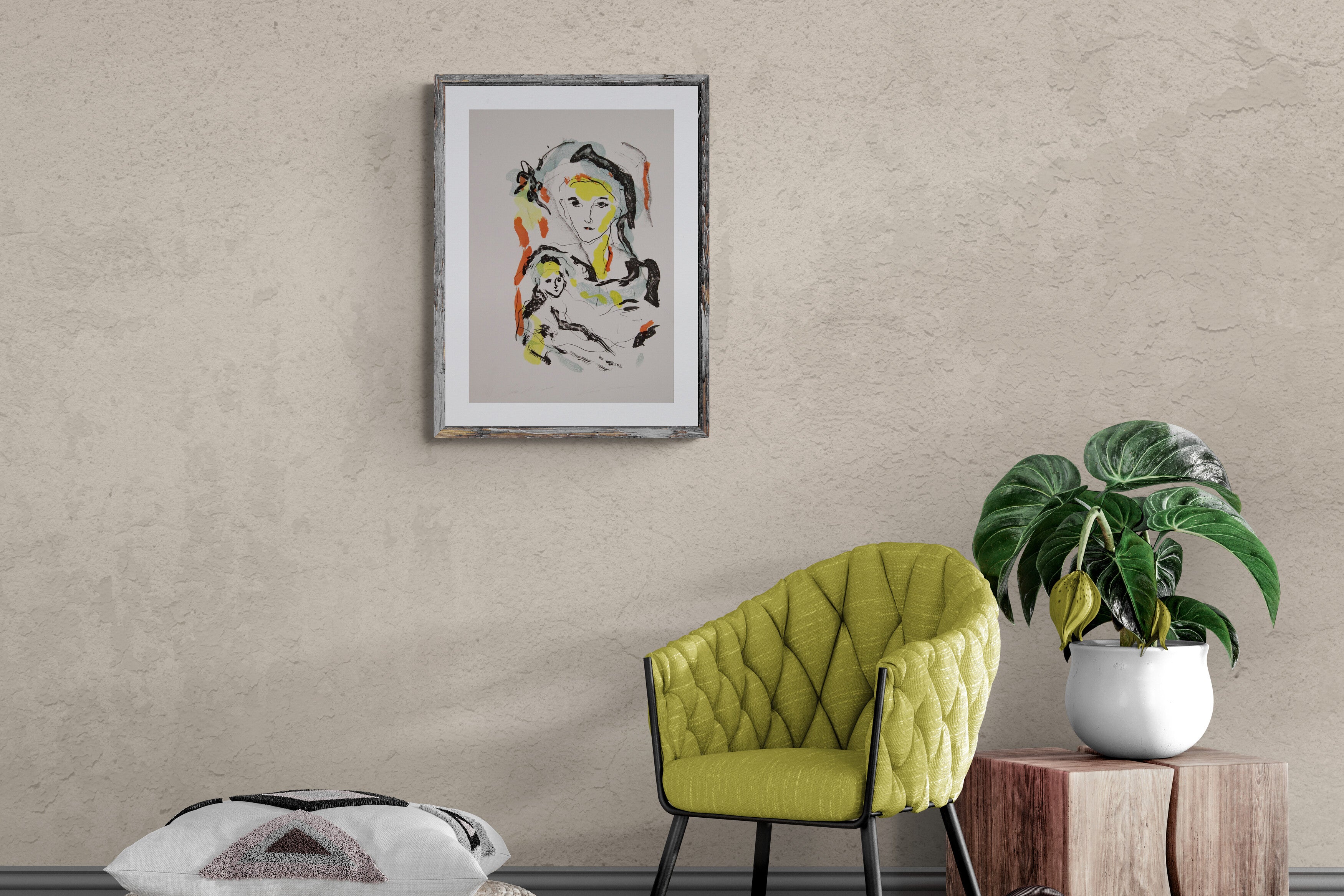

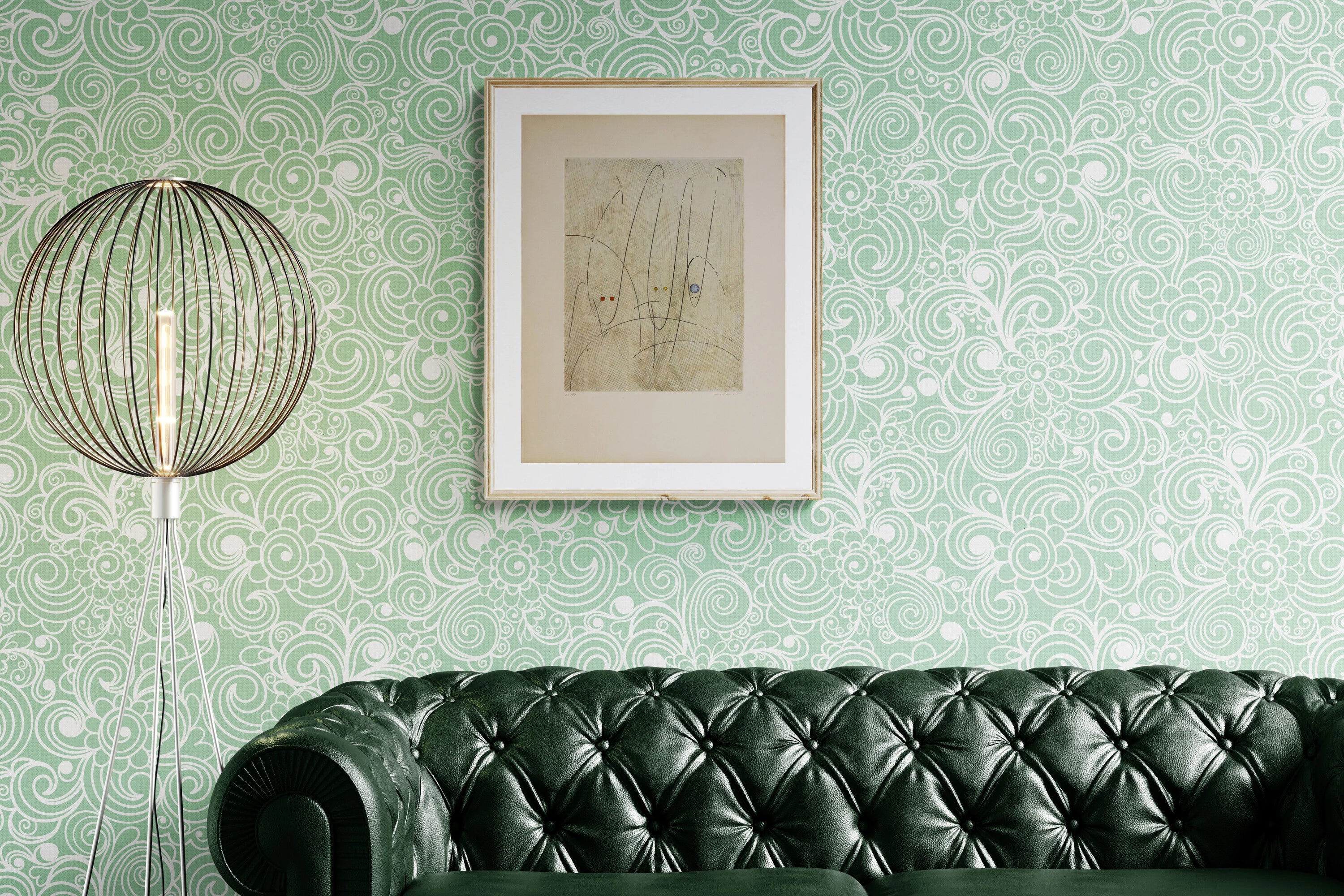

TRECCANI Ernesto


Ernesto Treccani (Milan, 1920–2009) moved through the twentieth century in Italy, maintaining an intense connection between painting, human experience, and civic responsibility. His style, initially close to committed figurative art, gradually opened up to freer, more vibrant color, without losing its focus on people and landscape. Figures, flowers, fields, and faces are not simply subjects to depict: they become presences through which the artist reflects on the dignity of work, memory, and the relationship between the individual and the world.
«Corrente» and the choice of commitment
At a very young age, Treccani founded the magazine «Vita Giovanile» in 1938, which later took the name «Corrente» and became a point of reference for a cultural milieu critical of the conformity of the fascist regime. Artists and intellectuals interested in an art capable of engaging with contemporary reality gathered around the magazine. L's experience of the war and participation in the Resistance strengthened Treccani's conviction that painting should not isolate itself from the events of society.
In the postwar years, this position found expression in artworks dedicated to work, working-class neighborhoods, and the transformations of the country. However, the relationship with realism should not be interpreted as adherence to an immutable formula. Treccani constantly sought a balance between recognizable subjects and freedom in painting, rejecting the idea that civic commitment must necessarily produce rigid or illustrative images.
Landscapes and the transformation of color
L's encounters with different places, from the Italian countryside to territories shaped by labor and industry, inspired a body of work rich in landscapes and figures. In particular, experiences connected with the world of farming and industrial centers offered opportunities to reflect on social conditions without sacrificing painterly quality. Over time, color took on an increasingly autonomous presence: forms opened up, contours became more fluid, and the surface seemed to come alive with an inner light.
This freedom is particularly evident in the flowers and landscapes of his mature period. Nature is not treated as a repertoire of botanical details, but as a set of chromatic relationships and rhythms. Even when the subject remains recognizable, the painting tends to convey the emotion of an encounter, the feeling of a place, and the passing of the seasons. The painterly gesture thus retains a deeply human quality.
Drawing, printmaking, and cultural work
Alongside painting, Treccani produced drawings and artworks in print, as well as cultural work that included writing and initiatives dedicated to dialogue between art and society. The prints allow us to observe the rapidity of the line and how a figure can emerge from just a few strokes. In printed editions, however, the relationship between color and plate requires specific interpretation: lithography, screenprint, and engraving are different processes and should not be attributed without documentation.
For accurate cataloging, the technique, signature, numbering, any publisher, and provenance are all relevant. L's importance lies in the continuity between civic conscience and painterly exploration: even when his language becomes more lyrical, the desire to recognize art as a form of participation in life remains alive.
Ti piace Ernesto Treccani?
Per ricevere gli ultimi aggiornamenti di questo artista, lascia la tua email qui sotto: