

SOLARI Luis Alberto


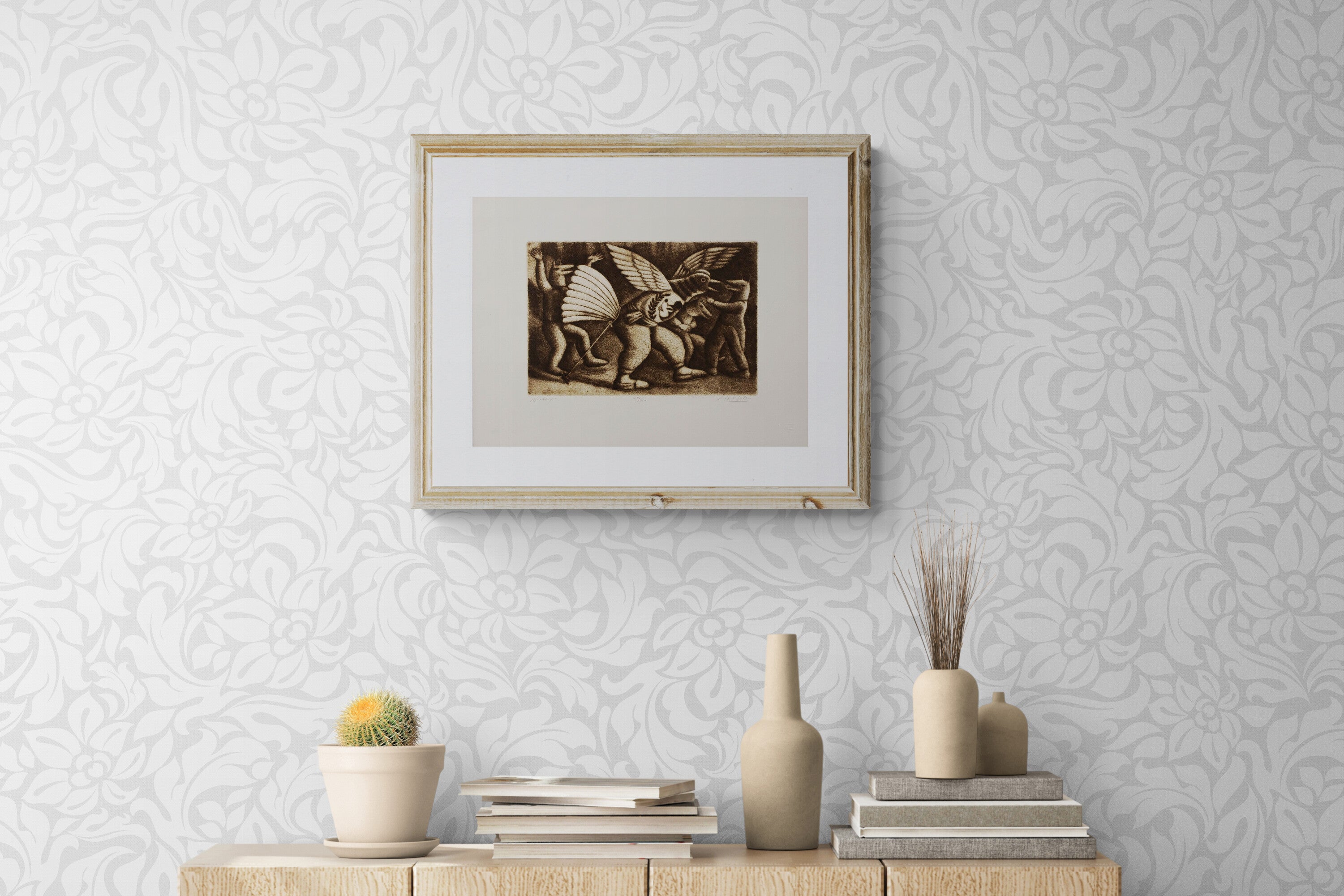
Luis Alberto Solari (Fray Bentos, Uruguay, 1918–1993) was a painter and printmaker whose work combines fantastical imagination, social observation, and memories of popular traditions. His figurative universe is populated by characters, animals, masks, and seemingly familiar situations that acquire an enigmatic meaning through distortions and unexpected juxtapositions. The narrative element is strong, but the images rarely offer a single, clear-cut story: instead, they invite us to recognize the ambiguities of human behavior behind the scene.
Education and connection with Uruguayan culture
Born in Fray Bentos, Solari studied drawing and painting in the 1930s, including under the guidance of Guillermo Laborde. L’s interest in figurative representation was soon accompanied by curiosity about popular forms of expression, festivals, and the rituals of collective life. His work as a teacher helped maintain a living connection with the transmission of artistic knowledge, while travel and stays abroad broadened his technical and expressive possibilities.
L’Uruguayan identity remained an important part of his artistic inquiry without becoming mere folklore. The characters in his works may evoke theater, carnival, or the rural world, but are often removed from any precise setting. L’artist uses these references to reflect on social roles, desires, fears, and contradictions. The result is a figurative style that may seem playful at first glance, yet reveal itself as unsettling on closer inspection.
Masks, metamorphosis, and irony
One of the most distinctive features of Solari’s artworks is the presence of hybrid figures and masked faces. L’human being may take on animal traits, while objects and characters are juxtaposed according to a logic akin to dreams. The distortion is not an end in itself: it makes visible psychological aspects that a realistic portrait would leave hidden. Irony and melancholy coexist, and the apparent narrative simplicity opens up many interpretations.
The compositions may resemble a stage, with figures arranged in relation to one another and gestures held in suspension. In this imaginary theater, everyday life is transformed into a symbolic scene. Solari’s strength lies in his ability to create accessible images without sacrificing complexity: viewers recognize elements of their own world, but find them combined in surprising ways.
L’engraving as an autonomous language
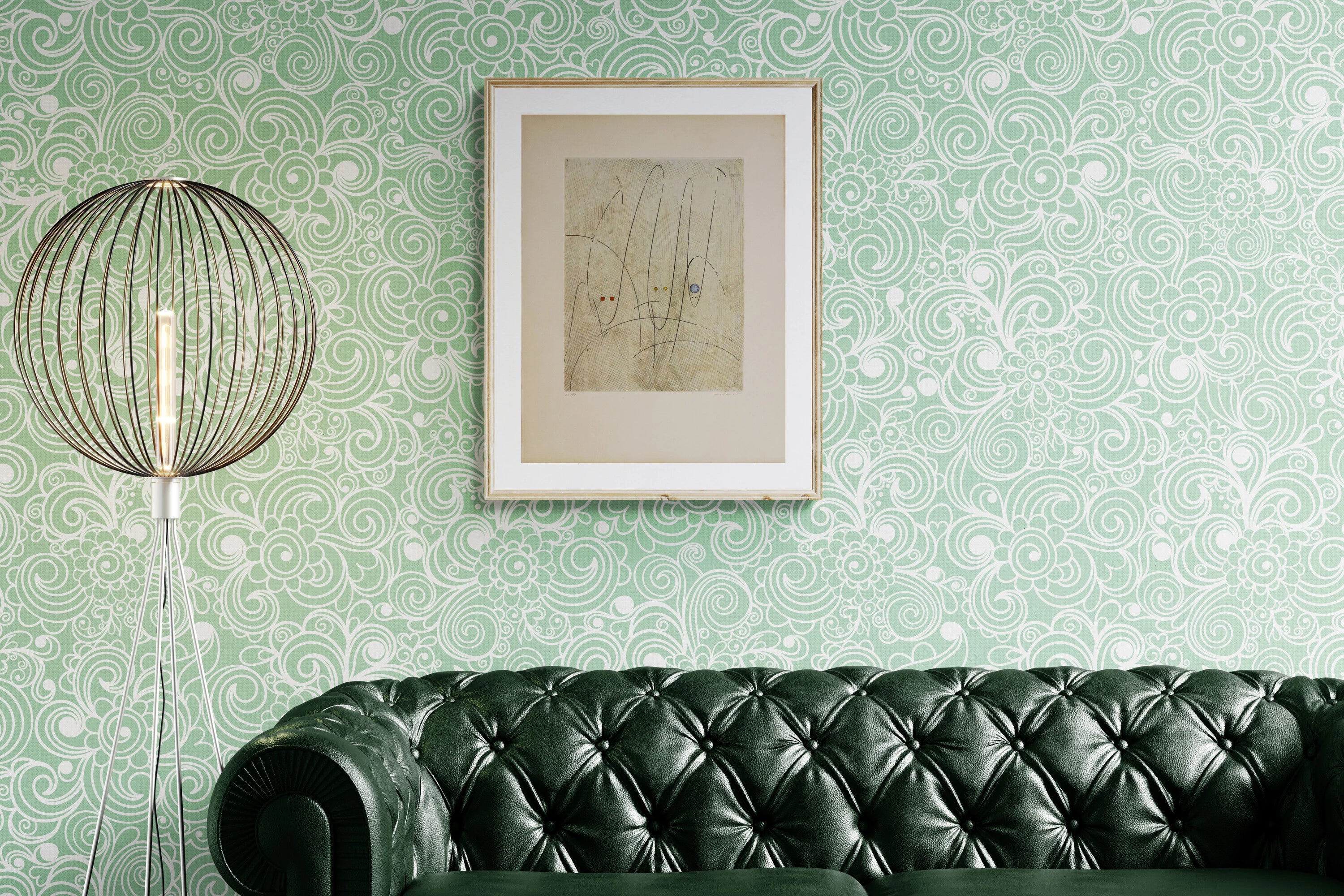
Fine-art printmaking played a fundamental role in his work. In 1952, Solari studied etching in Paris, and in the 1960s he attended printmaking programs in the United States, where he encountered new approaches to engraving. These experiences helped consolidate a visual language in which the printed mark is not a mere reproduction of a painting, but an expressive medium with qualities of its own.
In etching, a design is incised onto a metal plate through an acid-biting process; intaglio printing makes it possible to achieve distinctive lines and tones. Other printmaking techniques involve different processes and should not be confused with etching. To evaluate a Solari print, it is therefore necessary to verify the technique, edition size, paper, signature, condition, and documentation, without inferring the process from the image’s appearance.
L’s legacy lies in transforming the repertoire of popular culture into a personal, universal language. His masks do more than conceal faces: they reveal something about the roles people play every day.
Ti piace Luis Alberto Solari?
Per ricevere gli ultimi aggiornamenti di questo artista, lascia la tua email qui sotto: