

MATTIACCI Eliseo


Eliseo Mattiacci (Cagli, 1940 – Fossombrone, 2019) expanded the very meaning of sculpture, transforming it into a way of questioning space and the forces that pass through it. Iron, industrial structures, discs, rods and large geometric elements become presences capable of suggesting gravity, attraction, balance and movement. His research developed in dialogue with the experiments of Arte Povera, without entirely coinciding with that context: above all, he was interested in making tangible the relationship between the human body, matter and a spatial dimension far greater than everyday experience.
From object-sculpture to environment-sculpture
In the 1960s, Mattiacci challenged the idea of sculpture as a figure or volume placed on a pedestal. Materials could occupy the floor, extend into space or alter the perception of the exhibition space. «Tube» (1967) is an emblematic example of this change: a large, flexible structure that cannot be read as a closed, self-contained object, but instead engages with its surroundings and its own physical nature. Sculpture thus ceases to represent something external and becomes a concrete event, shaped by the dimensions, weight and behavior of the materials.
This attention to physical reality does not eliminate the imaginative component. On the contrary, Mattiacci seems to find poetic potential precisely in the precision of the elements. A rod can suggest a direction, a disc can evoke a trajectory, and a suspended mass can make gravity more intensely perceptible than a scientific description. The material is not disguised as something else: it retains its own identity, but enters into a system of relationships that expands its meaning.
Gravity, energy and cosmic imagination
As his research progressed, the relationship between Earth and the cosmos took on an increasingly important role. The artworks can evoke orbits, force fields or measuring instruments, without being astronomical models. The reference to the universe allows Mattiacci to place human experience in a broader perspective, in which our body is a minimal presence yet capable of perceiving the laws and mysteries of space. The contrast between weight and momentum, between being grounded and the desire to transcend boundaries, runs through many of his compositions.
In large-scale artworks, the landscape becomes part of the experience. A structure placed outdoors can engage with the horizon, the sky, or the slope of the ground. Sculpture then does more than occupy a place: it helps us see it differently. The viewer is also involved, because the meaning of the work depends on distance, position, and the physical relationship to its dimensions.
Drawing, design, and prints
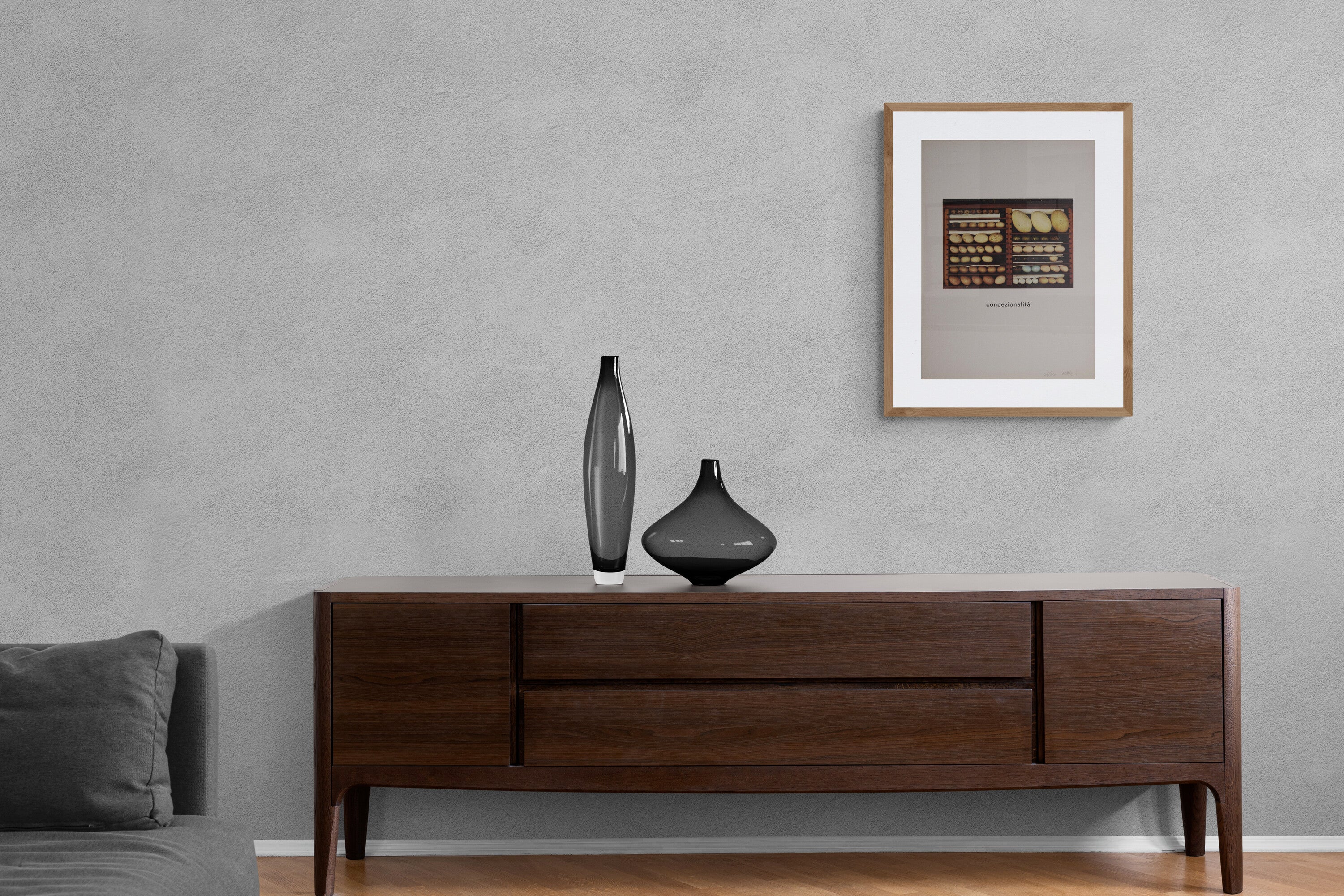
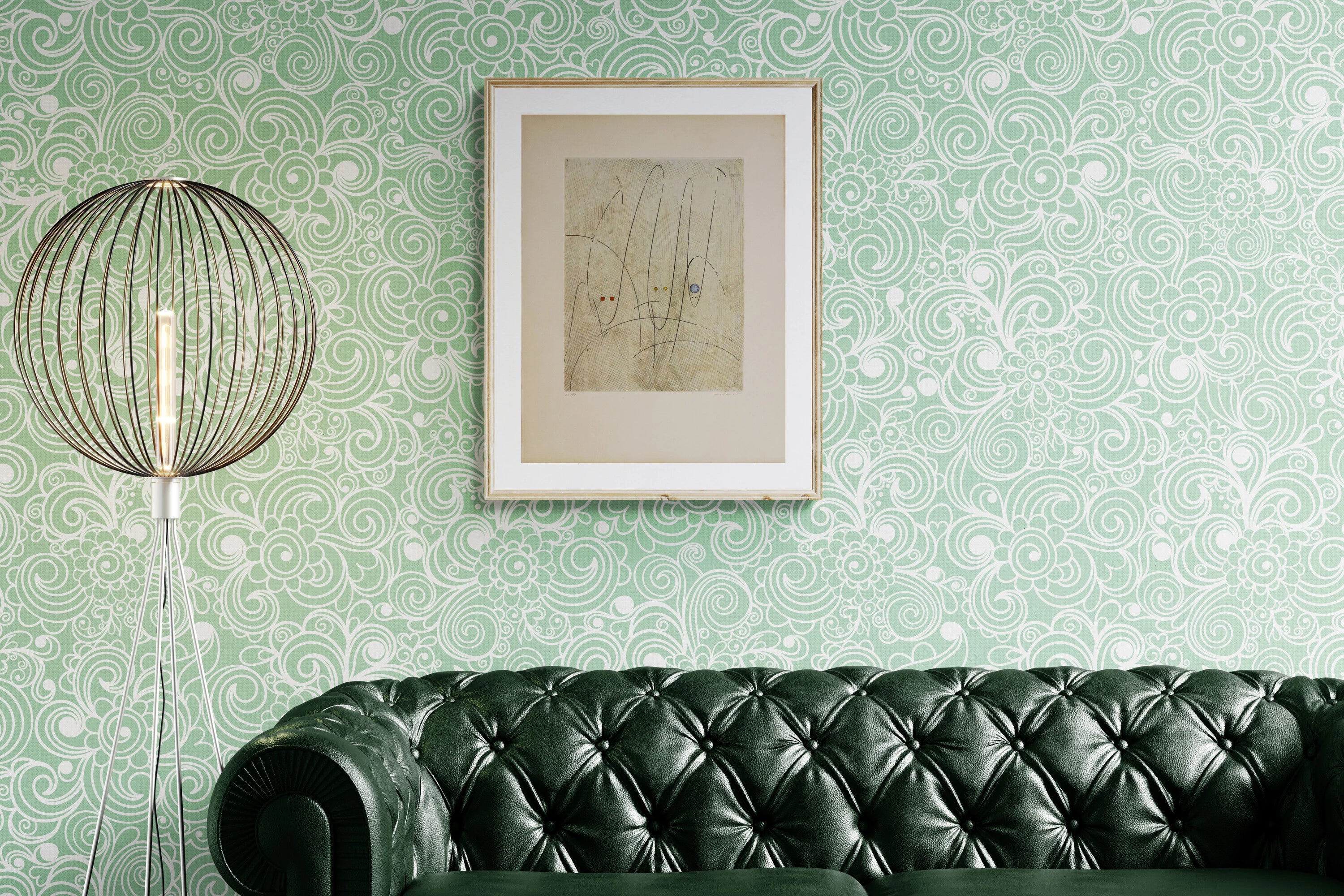
Drawings and studies accompany this investigation, but should not automatically be considered documents subordinate to sculpture. The sheet can become an independent space in which to explore relationships between marks, masses, and directions. When encountering a print edition or multiple, identification still requires careful verification of the technique, edition size, signature, and documentation: the appearance of an image alone is not enough to establish the process by which it was made.
L's originality lies in having transformed seemingly abstract questions — energy, gravity, cosmic scale — into tangible experiences. His artworks do not explain the universe, but invite us to feel its presence through the weight of a material, the direction of a form, and the void surrounding them.
Ti piace Eliseo Mattiacci?
Per ricevere gli ultimi aggiornamenti di questo artista, lascia la tua email qui sotto: