
Painter
Antonio Possenti
Italy, 1933–2016
Stay up to date with this artist
Leave your email to receive updates on newly available artworks and news about this artist.
Artworks by Antonio Possenti
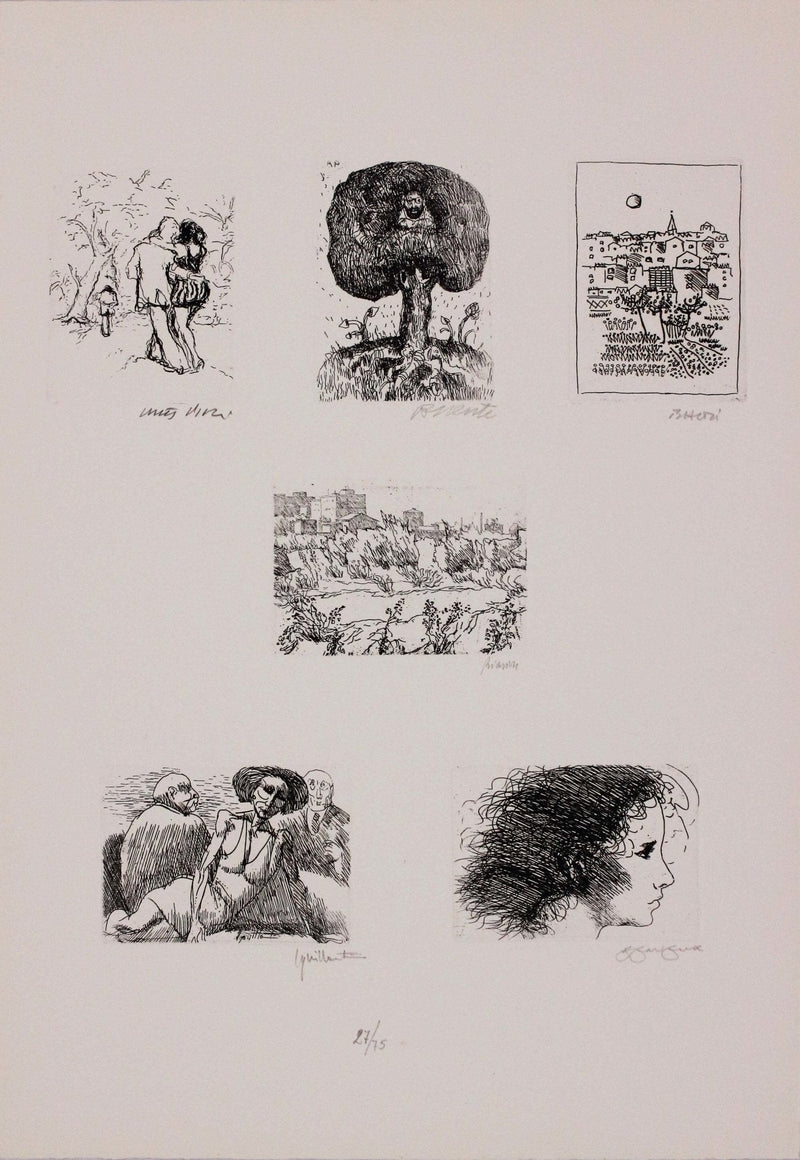
3 artworks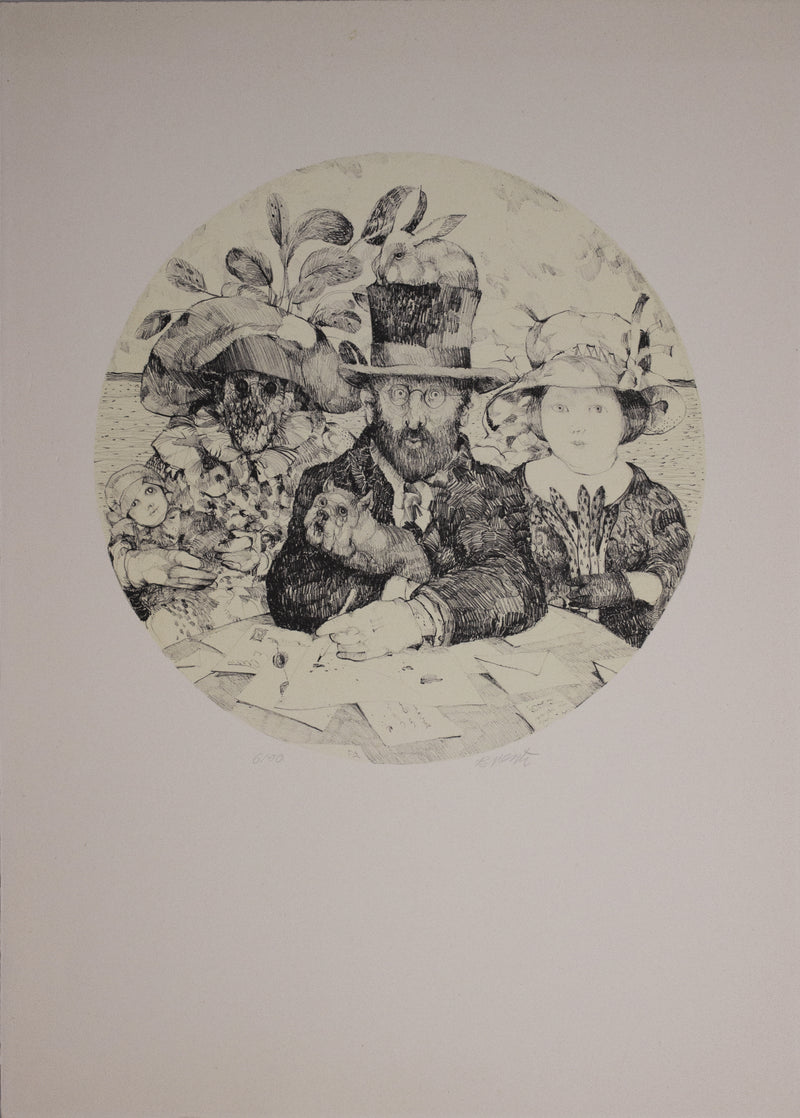


Biography of Antonio Possenti
Antonio Possenti (Lucca, 1933 – 2016) was an Italian painter and illustrator capable of building an immediately recognizable figurative universe, populated by eccentric characters, animals, travellers, unusual objects and landscapes suspended between reality and imagination. His painting combines narrative taste, irony and a subtle melancholic streak. The scenes often seem to tell a story, but never offer a definitive conclusion: they leave the viewer to…
Read the full biographyClose the biography
Antonio Possenti (Lucca, 1933 – 2016) was an Italian painter and illustrator capable of building an immediately recognizable figurative universe, populated by eccentric characters, animals, travellers, unusual objects and landscapes suspended between reality and imagination. His painting combines narrative taste, irony and a subtle melancholic streak. The scenes often seem to tell a story, but never offer a definitive conclusion: they leave the viewer to invent what happened before and what could happen next.
The birth of a personal imagination
Linked to Lucca, Possenti developed an autonomous artistic path, in which drawing and observation of the everyday world are intertwined with literature, travel and fantasy. His figuration does not seek photographic fidelity. The characters may present altered proportions, theatrical gestures and unexpected details, as if they came from an illustrated story or a particularly vivid dream.
The reference to the narrative tradition should not lead to his artworks being considered simple illustrations. Each image has a precise pictorial organization: the color defines the atmosphere, the objects establish symbolic relationships and the small details invite slow reading. Irony often coexists with a sense of loneliness or waiting, making the compositions more complex than their apparent lightness suggests.
The narrative dimension of Possenti's painting arises from the ability to attribute a character to objects and characters. A face can be defined by a barely visible expression, while an unusual accessory is enough to suggest a profession, a desire or a memory. The figures seem to come from different worlds, but they coexist in the same space thanks to a poetic logic that is stronger than the realistic one.
Drawing plays a decisive role in this process. The contours can be precise and deformed at the same time, allowing one detail to take on a disproportionate importance compared to the rest. The freedom of proportions is not accidental: it guides the gaze and builds the tone of the scene. The image thus becomes immediately legible, but retains a complexity that emerges only by observing it carefully.
Characters, animals and imaginary journeys
In his repertoire there are figures of sailors, travellers, musicians, animals and fantastic creatures. The settings can recall ports, domestic interiors, distant cities or undefined landscapes. Travel becomes a recurring motif not only as a geographical movement, but as an opening towards the unexpected and towards the possibility of seeing reality with different eyes.
Objects often have a decisive narrative function. A suitcase, a musical instrument, or a hat can suggest a character's identity without fully explaining it. This attention to detail brings Possenti's painting closer to the world of the story, but leaves it free from a pre-established plot. The image presents itself as an episode of a broader story that everyone can imagine.
The journey, in Possenti's paintings, can be real, dreamed or only suggested by a few clues. A port, a ship or a suitcase do not necessarily define a destination: they open up the possibility of a departure. This indeterminacy is part of the charm of his artworks. The characters seem to inhabit a suspended time, in which memory and expectation are confused.
Animals participate in the same narrative universe without limiting themselves to a decorative role. They can appear as travel companions, enigmatic presences or protagonists of paradoxical situations. Irony does not erase melancholy: the two qualities often coexist and give depth to scenes that, at first glance, might only seem funny.
Environments are also built by associations. Interiors, landscapes and architecture can combine plausible elements and impossible details, as happens in dreams. The painting does not ask the viewer to verify the coherence of the place, but to enter it and imagine a story. In this sense the relationship with literature is an affinity of method, not a simple illustrative dependence.
Painting, drawing and graphics
Possenti worked above all through a figurative language rich in invention, in which the quality of the sign and color remains fundamental. The production on paper and the graphic editions allow you to approach his universe in a collected dimension, particularly suitable for observing details. The relationship with the illustrated book and with literary culture also helps to explain the narrative character of many of his compositions.
To correctly catalog an artwork it is necessary to distinguish original painting, drawing, art print and editorial reproduction. The signature or numbering, alone, does not identify a technique; lithography, screen printing and other processes should be indicated only when documented. Support, size, print run, publisher and provenance are important elements to describe each copy accurately.
The strength of Possenti's painting lies in the ability to make what is fantastic familiar and what seems everyday mysterious. His characters don't just ask to be recognized: they invite you to stop, observe and get involved in a world where imagination is a form of knowledge.
Color helps establish the atmosphere of these worlds. Warm tones can make an unusual scene welcoming, while cooler combinations introduce emotional distance. The quality of the brushwork and the precision of the details maintain a balance between visual pleasure and narrative anxiety. Even when the image is rich in detail, the composition maintains a center of attention that guides the reading.
In the artworks on paper the relationship between drawing and story becomes particularly evident. An isolated figure can suggest an entire story, while a sequence of small objects creates associations that don't need words. Graphic editions allow this imagery to be spread, but their identification requires attention: an original lithograph, a serigraph and an editorial reproduction can depict the same subject despite being created with different processes.
For the collector it is also useful to document the editorial context of a sheet, when known. Some images may be linked to books, folders or illustrative projects; others are born as autonomous artworks. Title, technique, paper, possible signature and numbering help to distinguish them without attributing unverified information. The variety of media does not change the core of his poetics: transforming everyday details into occasions for wonder and storytelling.
Do you like Antonio Possenti?
Leave your email to receive updates on newly available artworks and news about this artist.
Antonio Possenti
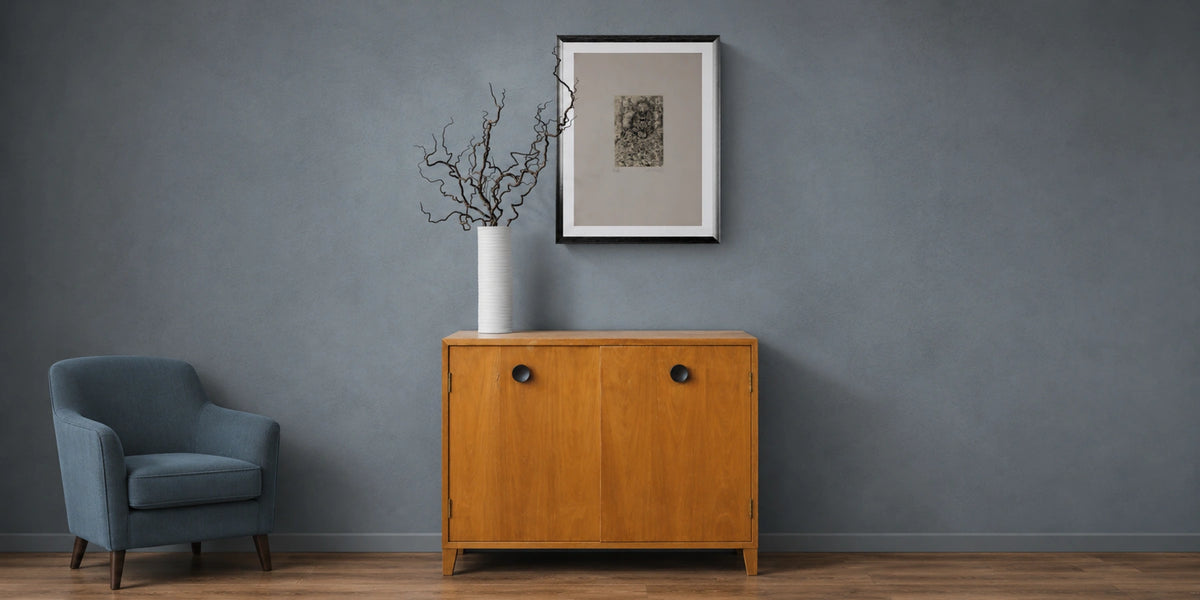
Art that lives in your spaces
Choosing an artwork by Antonio Possenti means making room for an individual artistic language. The artworks gathered here suggest combinations and perspectives to bring into your own surroundings, letting art guide your gaze.
DISCOVER THE ARTIST
Frequently asked questions
Answers to common questions about Antonio Possenti, the artist’s life, artworks and value on the art market.
Who was Antonio Possenti?
Antonio Possenti (1933–2016) was an Italian painter known for fantastic and narrative images, populated by unexpected figures, animals and objects. His painting combines visual invention, irony and attention to detail.
Why do fantastic animals and characters appear in Antonio Possenti's artworks?
These figures contribute to building stories suspended between imagination and reality. There is no single meaning valid for each painting: the context and the elements of the individual composition are important.
What are the most recurring subjects in Antonio Possenti's painting?
Human figures, animals, everyday objects and fantastic settings often appear. The unusual combinations create images with a fairytale atmosphere, sometimes ironic or melancholy.
Did Antonio Possenti also make engravings and graphic artworks?
Yes, in addition to the paintings there are artworks on paper and graphics. For each example it is advisable to precisely identify the technique and verify the signature, possible numbering and edition.
What does the value of an artwork by Antonio Possenti depend on?
Above all, technique, format, subject, period, provenance and conditions matter. An original painting and an edition print are not directly comparable: the evaluation must start from the correct identification of the artwork.
Discover more artists
Explore more leading figures in modern and contemporary art


