

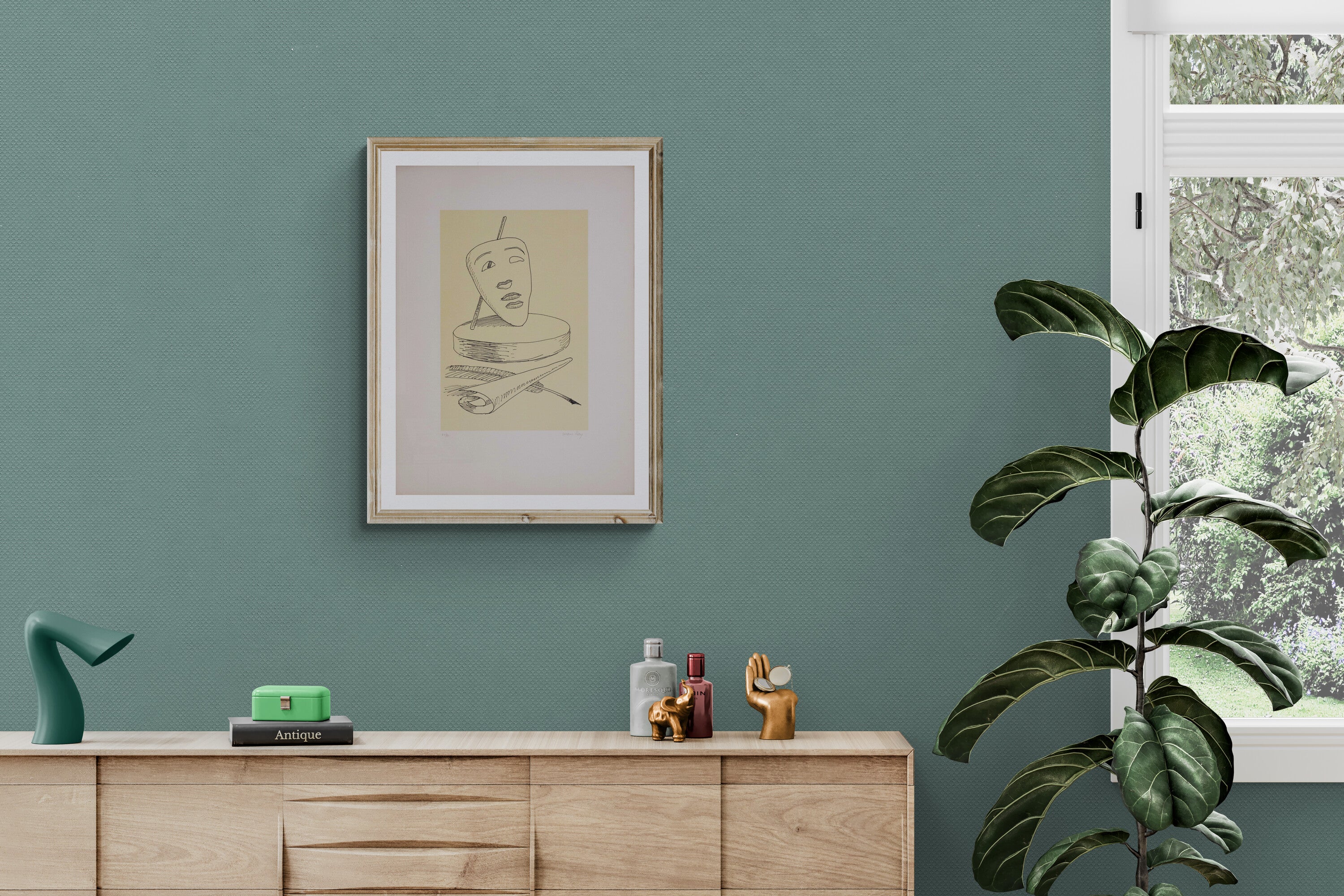
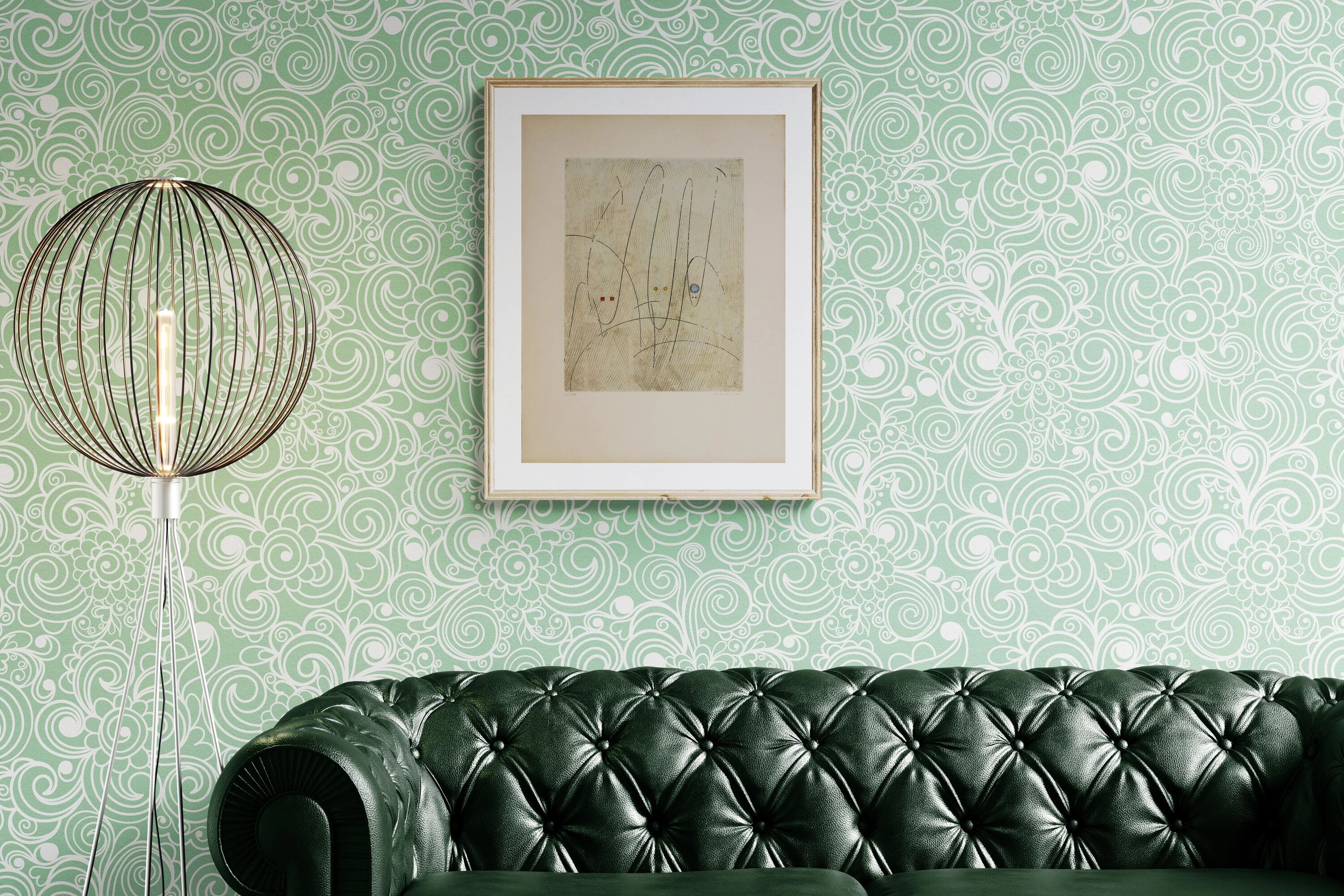

Giuseppe Ajmone OPERE


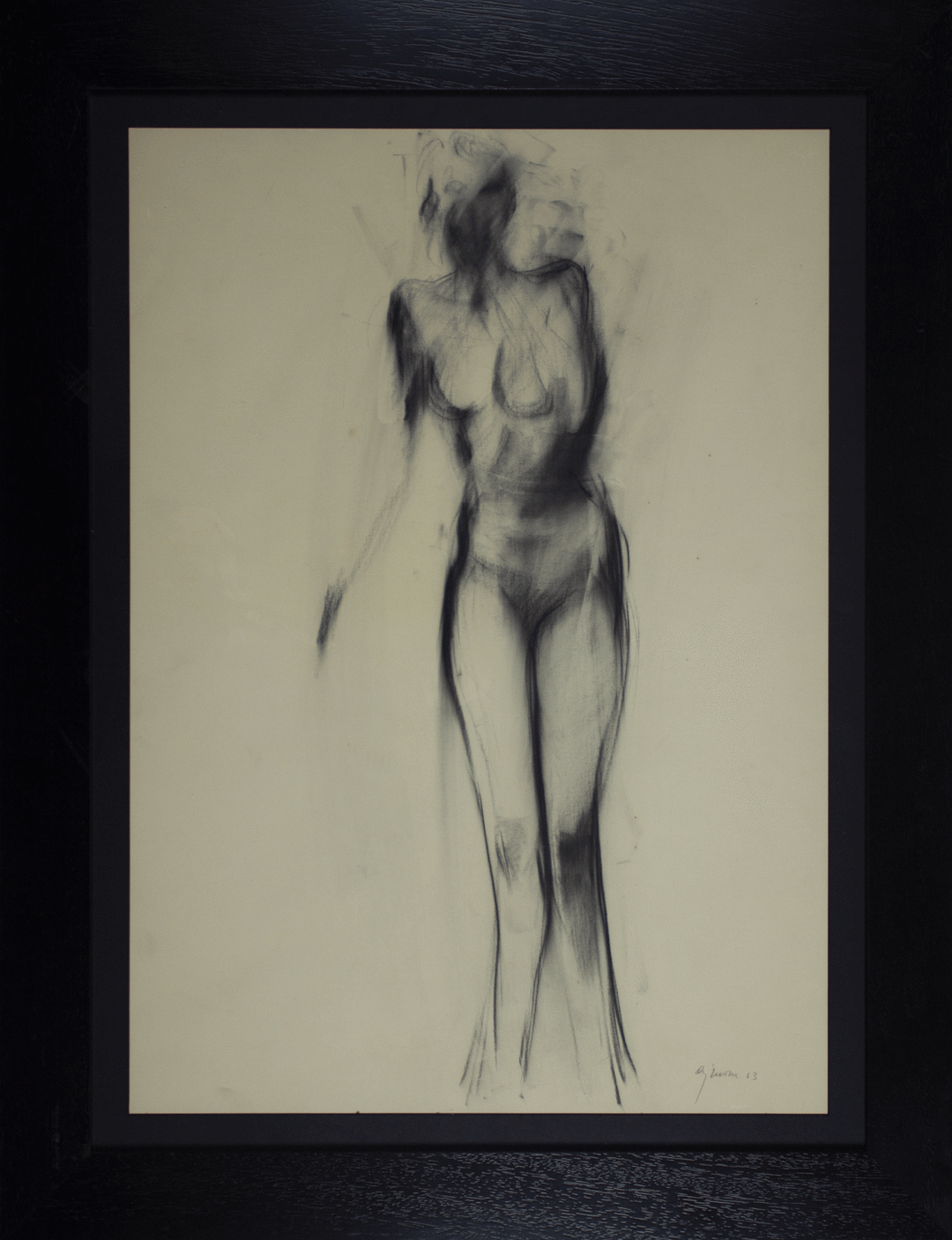
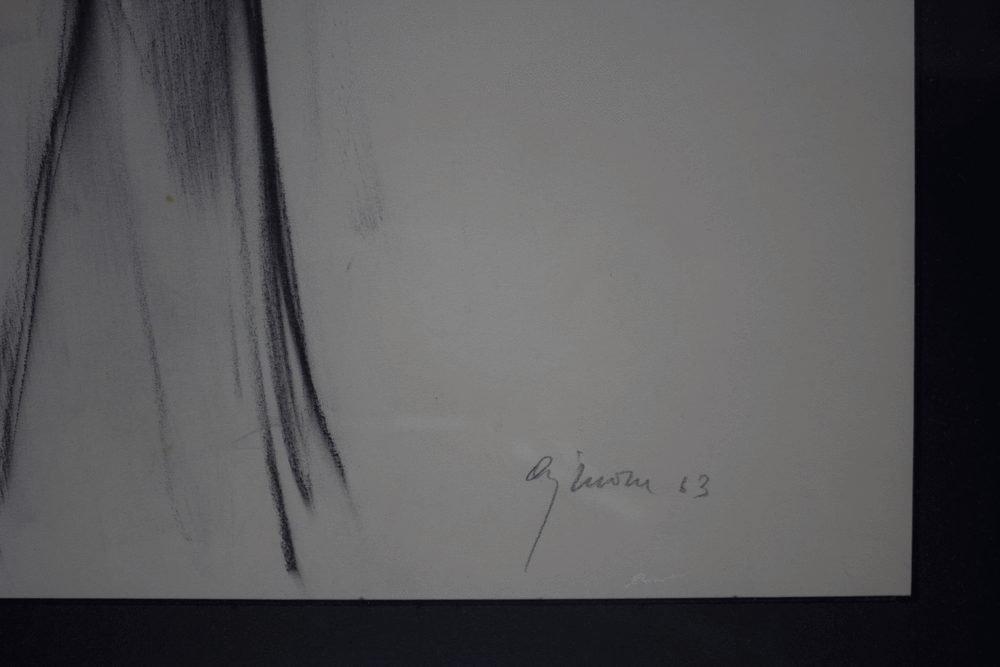

Giuseppe Ajmone (Carpignano Sesia, 17 February 1923 – Romagnano Sesia, 8 April 2005) was a prominent Italian painter, active throughout the second half of the twentieth century. Trained at the Brera Academy of Fine Arts under the guidance of Achille Funi and Carlo Carrà, he was able to combine formal sensitivity and attention to the themes of his time in his artworks. He participated in numerous Biennials, Quadriennials, and international exhibitions, contributing to the Italian cultural and artistic debate. He died in 2005 in Romagnano Sesia, where he had moved in the 1980s and where he spent the last years of his painting career.
Giuseppe Ajmone painter
Giuseppe Ajmone was born on February 17, 1923, in Carpignano Sesia, in the province of Novara, son of Piero Ajmone and Natalia Geranzani. After the premature loss of his mother in 1931 and his father in 1941, the young Ajmone approached painting from the Thirties, studying drawing in the studio of the sculptor Riccardo Mella. In 1941, he enrolled at the Brera Academy of Fine Arts, where he attended courses by masters Achille Funi and Carlo Carrà. He graduated in painting in 1944.
In the early postwar years, the painter was already a protagonist of the Milanese art scene: he participated in 1946 in the “Posizione” exhibition at the Galleria Bergamini and signed the Realism Manifesto, also called “Beyond Guernica,” which expressed the renewed social commitment of art. In 1946, he began collaborating with the Einaudi publishing house, curating graphic projects and creating famous series of etchings for works such as Lavorare stanca by Cesare Pavese and L’infinito by Giacomo Leopardi.
In 1948, he exhibited for the first time at the Venice Biennale, an event that would firmly mark his artistic career, with subsequent participations also in 1950, 1952, and 1962 (the latter with a personal room). During the Fifties, Giuseppe Ajmone received important recognitions, including the prestigious “Senatore Borletti” Prize in 1951, and became a member of the Technical Board of the Triennale di Milano.
His artworks have been exhibited in international contexts such as the São Paulo Biennial (1951 and 1959), the International Tokyo Biennial (1959), the Pittsburgh International Museum of Art, the Kunsthalle of Dortmund and Nuremberg, the Buenos Aires Museum, and the Copenhagen Museum. His painting is recognized for its confident stroke, chromatic sensitivity, and ability to engage with the great Italian figurative tradition reinterpreted in the light of the contemporary.
During the Seventies and Eighties, Giuseppe Ajmone continued his exhibition activity throughout Italy, participating in group and solo shows, including the series of “great drowned nudes,” inspired by dramatic news events and characterized by strong expressive tension. In 1984, a major retrospective at the Palazzo dei Diamanti in Ferrara celebrated his artistic journey.
In the Nineties and Two Thousands, he continued his figurative research, participating in numerous exhibitions in Milan, Rome, Conegliano Veneto, Ferrara, and Saronno. His last retrospective was held in 2004 at the Galleria MontrasioArte in Milan. Giuseppe Ajmone passed away on April 8, 2005, in Romagnano Sesia, the place where he had chosen to live and work, leaving a legacy that still enriches the panorama of 20th-century Italian art.
Ti piace Giuseppe Ajmone?
Per ricevere gli ultimi aggiornamenti di questo artista, lascia la tua email qui sotto:Il tuo indirizzo email è stato aggiunto alla lista dell'artista.
