


Carla Accardi OPERE


Carla Accardi (Trapani, October 9, 1924 – Rome, February 23, 2014) was a crucial figure in twentieth-century Italian art. A pioneering artist of abstractionism and a protagonist of neo-feminism, Carla Accardi made a fundamental contribution to the Italian and international art scene. Through her painting and activism, Carla Accardi managed to establish herself in a predominantly male context, becoming a symbol of female creative freedom and leaving a cultural legacy still celebrated today.
Carla Accardi painter
Carla Accardi emerged on the Italian art scene starting from the post-World War II period. After studying at the Academy of Fine Arts in Palermo, the artist moved to Rome where, in 1947, she founded the group "Forma 1" together with other artists such as Consagra and Dorazio. This collective aimed to redefine the visual codes of Italian art, proposing an abstract painting free of allegorical or psychological connotations, with the goal of restoring the essence to sign and form.
Carla Accardi distinguished herself from the beginning for the originality of her research. Her painting abandoned all figurative references to focus on geometric shapes and signs that, in their essentiality, express energy and rhythm. In the 1950s, the painter developed a style based on chromatic reduction, favoring sharp contrasts of black and white and exploring materials such as casein to give intensity to colors.
In the 1960s, Carla Accardi experimented with new languages and materials, introducing transparent plastic supports and fluorescent paints that allowed her to overcome the traditional boundaries of the canvas. During this period, she approached the Arte Povera movement with artworks involving space and the viewer, as demonstrated by her famous installation Triplice Tenda (1969). Carla Accardi also used a particular “imaginary alphabet” composed of letters and signs that do not form words but assume purely graphic value, accentuating the abstract dimension of her visual language.
During the 1970s and 1980s, the painter continued her research with the large Lenzuoli, monumental canvases on which she applied geometric patterns and vivid colors, confirming her ability to continuously innovate. Her artistic activity was accompanied by political and social commitment: Carla Accardi was one of the founders of the feminist group “Rivolta Femminile” together with Carla Lonzi and Elvira Banotti, emphasizing how her art was also a tool for affirming women's identity and rights.
Carla Accardi artworks
The artworks of Carla Accardi constitute a vast and articulated body that spans over five decades of pictorial and experimental research. From the beginnings with the Forma 1 group, the paintings of Carla Accardi show an abstract language characterized by forms reduced to the essential and strong colors. Significant examples of this period are Grigio e colori (1954) and Duello interrotto (1955).
With the advent of the 1960s, the paintings of Carla Accardi enriched with new materials and techniques. In works such as Violarosso (1963) and Moltiplicazione verde argento (1964), color becomes the protagonist and the surfaces come alive with signs evoking mysterious alphabets. Accardi did not limit herself to painting on canvas: she experimented with three-dimensional installations and innovative supports such as “sicofoil,” a transparent cellulose acetate on which she applied enamels and fluorescent paints.
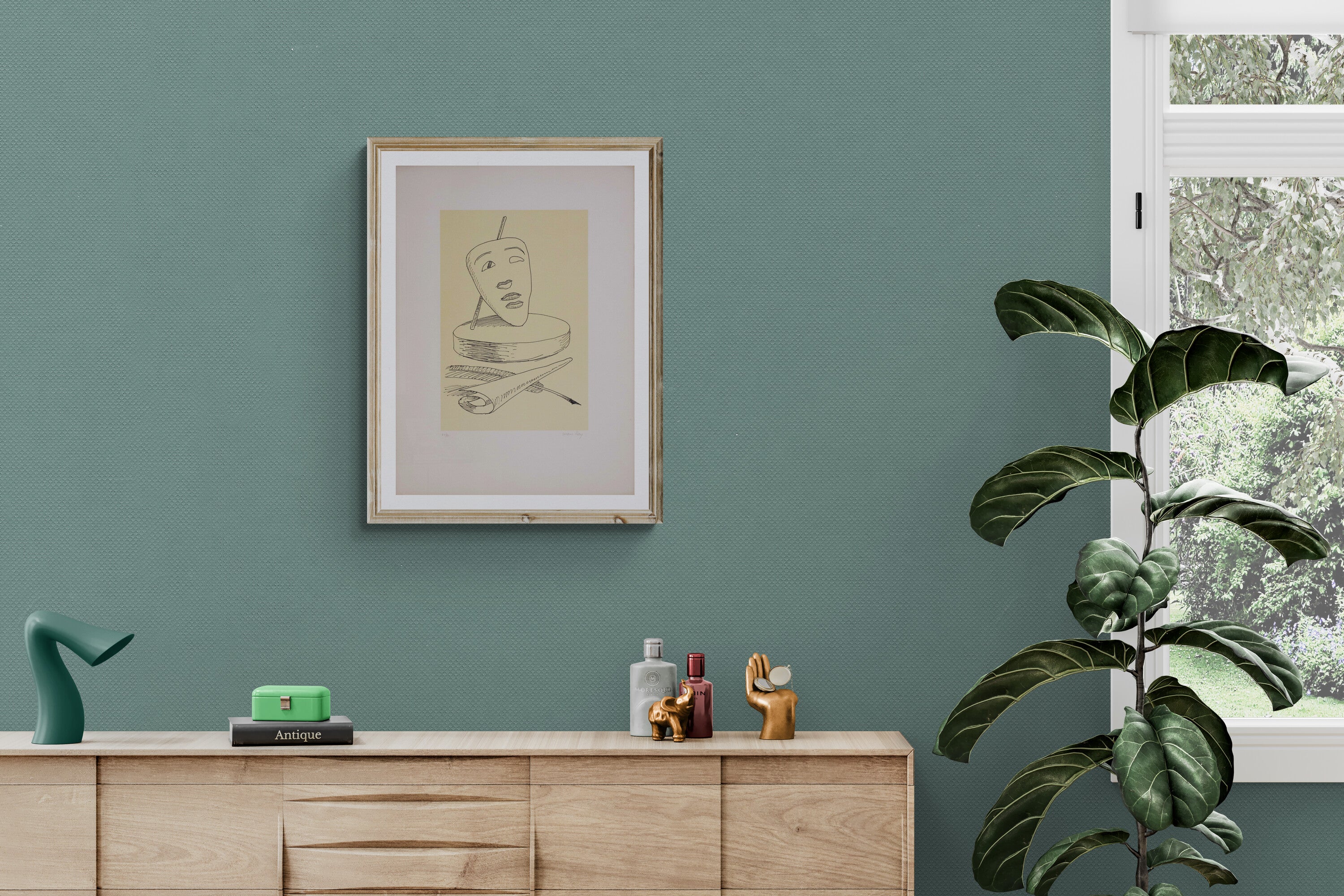
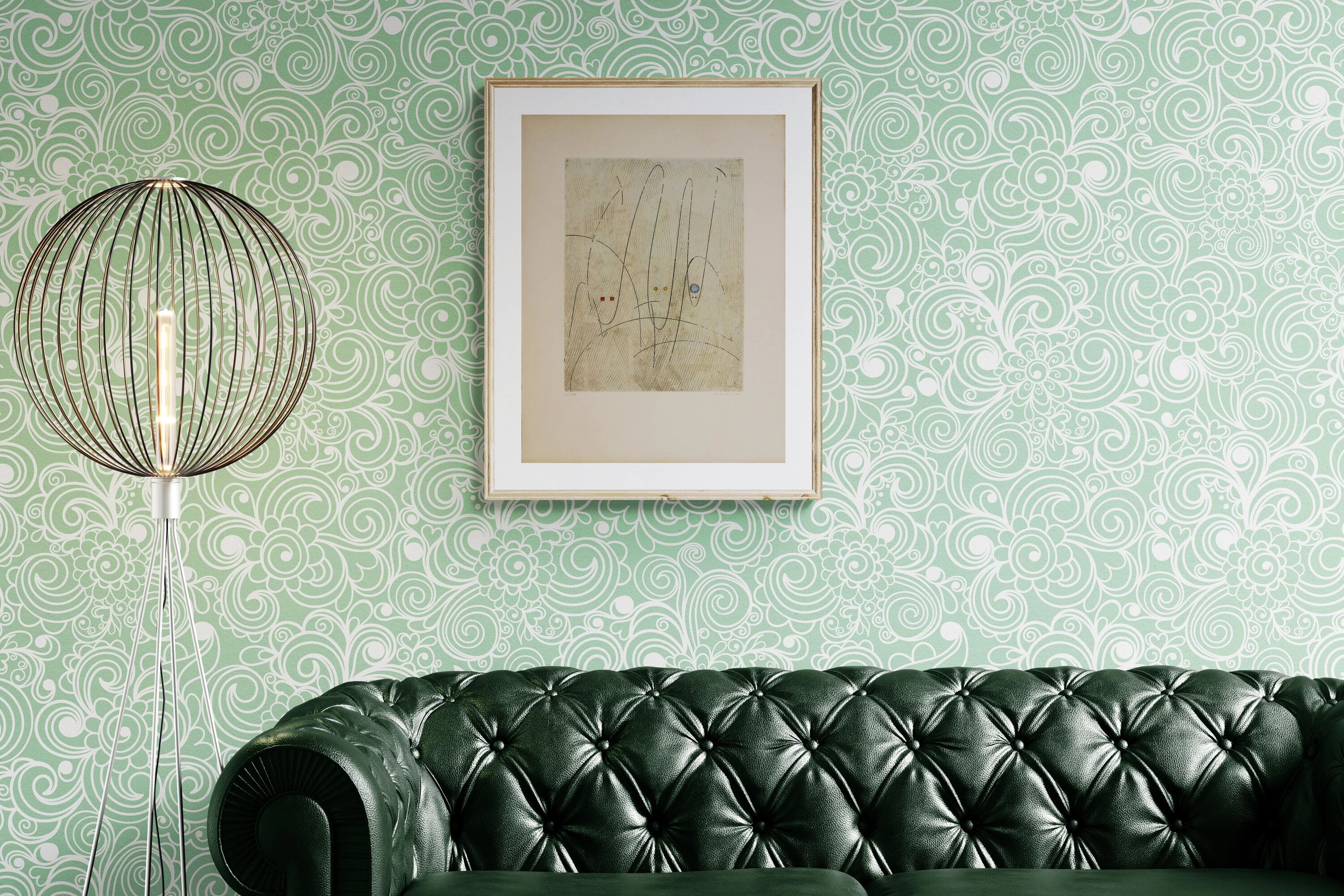
An important aspect of Carla Accardi's production is also represented by graphics. Carla Accardi created numerous lithographs and serigraphs, through which she explored the relationship between sign and surface, always remaining faithful to her abstract and experimental poetics.
Carla Accardi valuations
The contemporary art market has reserved great attention for Carla Accardi, especially in recent years. The valuations of Carla Accardi reflect the growing international recognition of her historical and artistic importance. The prices of Carla Accardi vary: the most significant canvas artworks can reach figures between 50,000 and 200,000 euros, while the paintings of Carla Accardi of smaller size have lower but growing valuations.
Particular attention is also deserved by the lithographs and serigraphs of Carla Accardi, which represent a more affordable access to the market: the prices of Carla Accardi for these graphic artworks generally range between 1,000 and 5,000 euros.
The valuations of Carla Accardi testify how the painter is now considered one of the most important artists of the second half of the twentieth century in Italy, both for the quality of her production and for her ability to anticipate languages and themes still very relevant today.
Ti piace Carla Accardi?
Per ricevere gli ultimi aggiornamenti di questo artista, lascia la tua email qui sotto:Il tuo indirizzo email è stato aggiunto alla lista dell'artista.
