

RADICE Mario


Among the leading figures of Italian abstraction, Mario Radice (Como, 1898–1987) helped transform painting into an autonomous language of geometric relationships, rhythms, and colors. His story is inseparable from the cultural milieu that developed in Como in the 1930s, when artists and architects were seeking a new relationship between form and space. In this environment, Radice developed an approach that went beyond geometry: behind the rigor of his compositions lie a personal sensitivity to color and a desire to bring painting, architecture, and modern life into dialogue.
L's abstract art in Como and its dialogue with architecture
Largely self-taught through study and hands-on practice, Radice explored figurative styles before decisively turning toward non-figuration. His exchange with Manlio Rho and especially with the architect Giuseppe Terragni played a decisive role: not because painting was meant to merely decorate buildings, but because both languages could share an idea of order, proportion, and modernity. Como thus became one of the liveliest centers of early Italian abstraction, in dialogue with Milan's Galleria del Milione and European Constructivist and Concrete art movements.
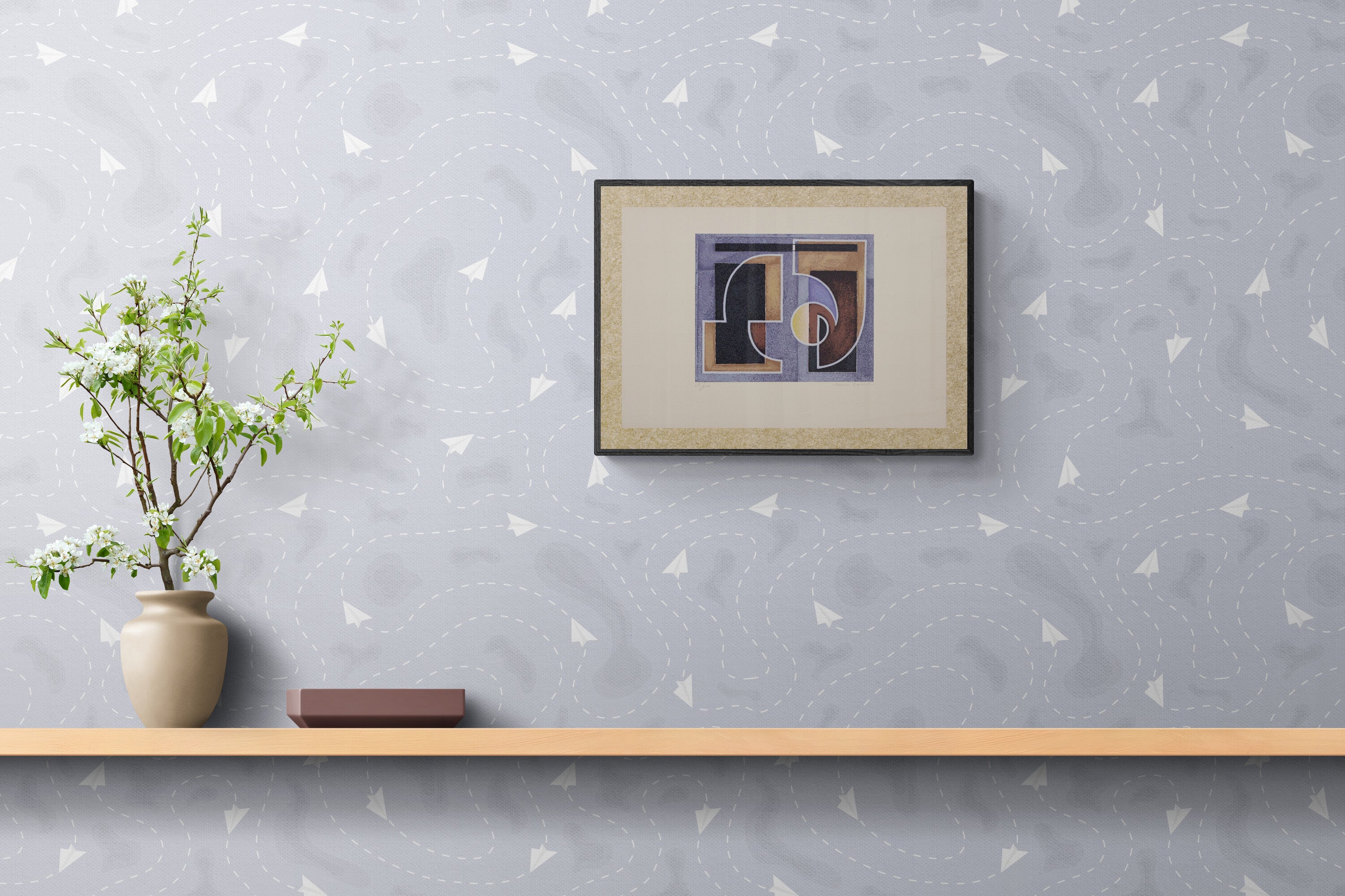
In the artworks of this period, triangles, rectangles, segments, and color fields do not refer to recognizable objects. They are elements that acquire meaning through their arrangement in relation to one another. An inclined plane can bring movement to the composition, while a more concentrated area of color steadies its rhythm. Rather than being a repeated formula, geometry becomes a tool for exploring the possibilities of vision.
The best-known collaboration was on the Casa del Fascio in Como, designed by Terragni, where Radice created abstract painted works in the 1930s. The building's historical context belongs to Fascist Italy and must be acknowledged unambiguously; artistically, the project represents a significant episode in the relationship between mural painting and Rationalist architecture. Radice also took part in the theoretical debate on abstraction, helping to define a language that still faced strong resistance in Italy.
Compositions, color, and variations in language
Radice's output is not a uniform succession of grids. The compositions may alternate between static balance and dynamic structures, muted tones and more pronounced contrasts. The forms sometimes seem to overlap, at other times to fit together like parts of a visual organism. Their relationship with the background is essential: even the apparently empty space contributes to the construction of the image, allowing surfaces to advance, recede, or come into tension.
After the war, Radice continued to work with abstraction, broadening his color palette and developing more dynamic solutions. His practice also included decorative projects, mosaics, studies, and drawings that testify to his attention to the relationship between image and environment. This continuity should not obscure the complexity of his path: the artist maintained figurative interests alongside abstract experimentation, without necessarily considering the two areas incompatible.
Drawings, prints and printmaking
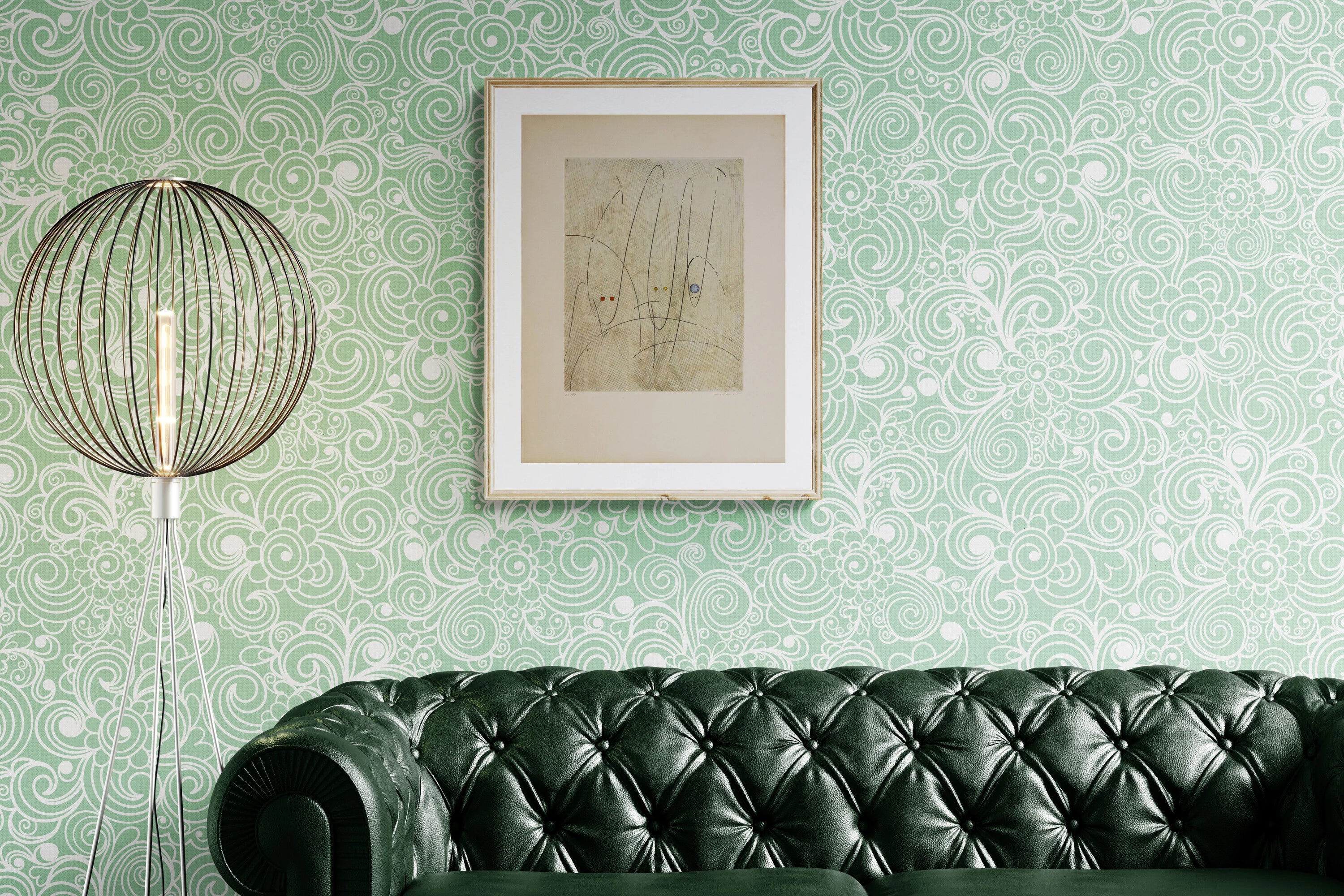
Works on paper offer a way to explore the construction of his compositions. In the drawings and preparatory studies, the transition from line to surface, the choice of proportions, and the distribution of color become particularly clear. Even a small work can contain the same search for balance found in an architectural-scale project.
When cataloging a work, however, it is important to distinguish between original drawing, tempera, mixed media, art print, and editorial reproduction. Not all prints are engravings, and it is not correct to attribute a specific printmaking technique based on appearance alone. For collectors, the description of the support, the presence of a signature or inscriptions, the actual dimensions, and any bibliographic references are important. Radice's strength lies in his ability to bring geometric form to life: an art in which precision does not eliminate emotion, but gives it structure.
Ti piace Mario Radice?
Per ricevere gli ultimi aggiornamenti di questo artista, lascia la tua email qui sotto: