


Giulio Turcato OPERE
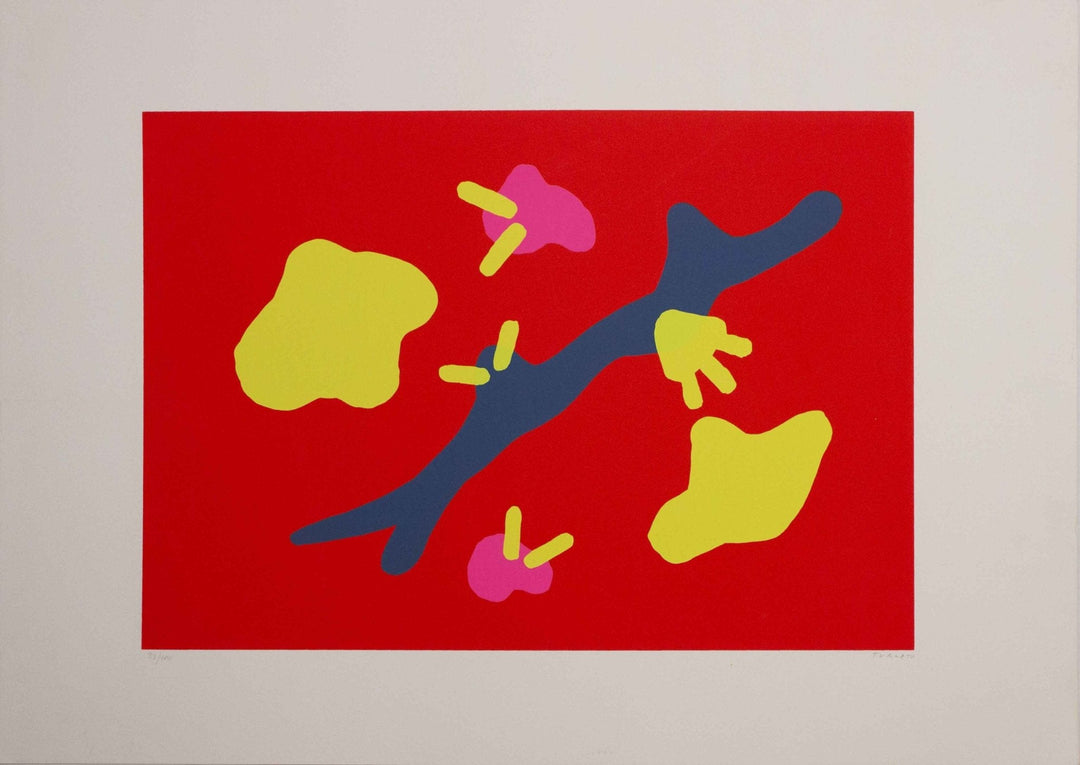
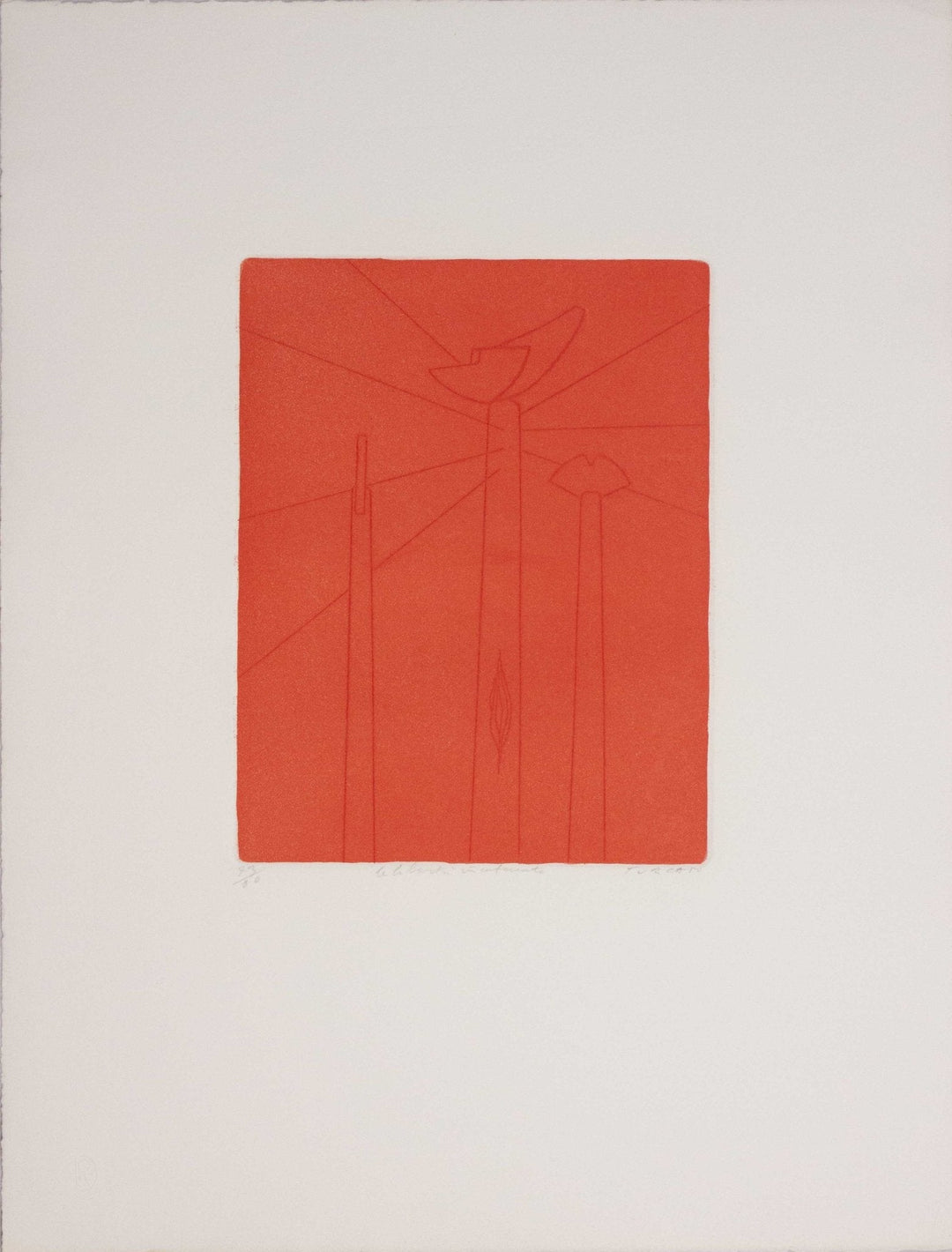

Giulio Turcato (Mantua, March 16, 1912 – Rome, January 22, 1995) was one of the absolute protagonists of Italian informal abstraction. Trained in Venice between art high school and the nude school, he exhibited for the first time at the Venice Biennale in 1942 with a figurative artwork — a “Maternity” — then moved to Rome, joined the Resistance, and promoted abstract art already after World War II. Signatory of the “Forma 1” manifesto in 1947 and an active part of the Fronte Nuovo delle Arti, he developed a material and innovative style up to his last “Moon Surfaces” in foam rubber, consolidating a central position in 20th-century Italian painting.
Giulio Turcato painter
Giulio Turcato stands out for an intense and itinerant training: born in Mantua, he moved to Venice in 1920, where he attended art high school and the nude school, showing his first inclinations towards landscape and still life already as a teenager. In the early 1930s he exhibited in group shows in Venice, then moved between Palermo, where he did military service, and Milan, working in architect Muzio’s studio and living in an environment close to the antifascist Corrente group, although without directly joining it. In 1942 he debuted at the Venice Biennale with the artwork “Maternity,” then in 1943 he reached Rome, where he came into contact with protagonists such as Emilio Vedova and Toti Scialoja, exhibited at the Zodiac Gallery and the Quadriennale, and was active in the Resistance. After the war he settled permanently in the capital; in 1946 he made a trip to Paris that opened his horizons to Kandinsky and Picasso. In 1947, he signed “Forma 1” and the following year participated, with the Fronte Nuovo delle Arti, in the Venice Biennale of 1948, then distanced himself and in 1952 joined the Group of Eight.
His art evolved from a neocubism aimed at a “cooled” abstraction, with soft signs, monochromes, and material experiments: use of sands, foam rubber, changing chromatic effects, up to the memorable “Moon Surfaces.” He participated in countless Biennales, including those of 1950 (Acquisition Prize with “Mine”), 1958 (personal room and National Prize), 1966, 1972, and up to 1995. He exhibited internationally in prestigious venues such as MoMA, Documenta in Kassel, São Paulo Biennale, Staatsgalerie in Munich, Philadelphia Museum, Musée de l’Athénée.
The connection with culture and social commitment is constant: he joined the Resistance and the PCI, experienced tensions between political commitment and formal freedom, wrote manifestos and responded to ideological attacks (such as that of Togliatti) defending abstraction. He also experimented with material and poetic variations: fluorescent surfaces, “Changing,” collages with money, assemblages and everyday objects, projections towards the cosmos, influences of astronomy and space current events. His artistic evolution is marked by the tension between sign, matter, and light, always balanced between material gesture and conceptual research, as highlighted in the recent exhibition “Freedom and Happiness” of 2025.
Giulio Turcato valuations
Talking about Giulio Turcato’s valuations means observing a consolidated market constantly followed by galleries and international auction houses. Prices vary greatly depending on genre, technique, period, and size of the artwork. Paintings, the heart of his production, are the most sought after: historic canvases from the 1950s and 1960s can easily reach bids between 30,000 and 120,000 euros, with records over 200,000 euros for iconic artworks such as the “Reticoli” or the “Moon Surfaces.” Smaller format paintings or from minor cycles instead range between 10,000 and 25,000 euros, maintaining a dynamic market.
Alongside paintings, drawings also represent an interesting sector of Giulio Turcato’s valuations. Preparatory studies, gouaches, inks, and watercolors are appreciated by collectors for the freshness of the sign and closeness to his abstract research. Estimates start from about 1,000 euros for small format works and can exceed 10,000 euros for sheets of particular quality or linked to documented exhibition cycles. This market segment often represents a more accessible entry point compared to canvases, but no less significant.
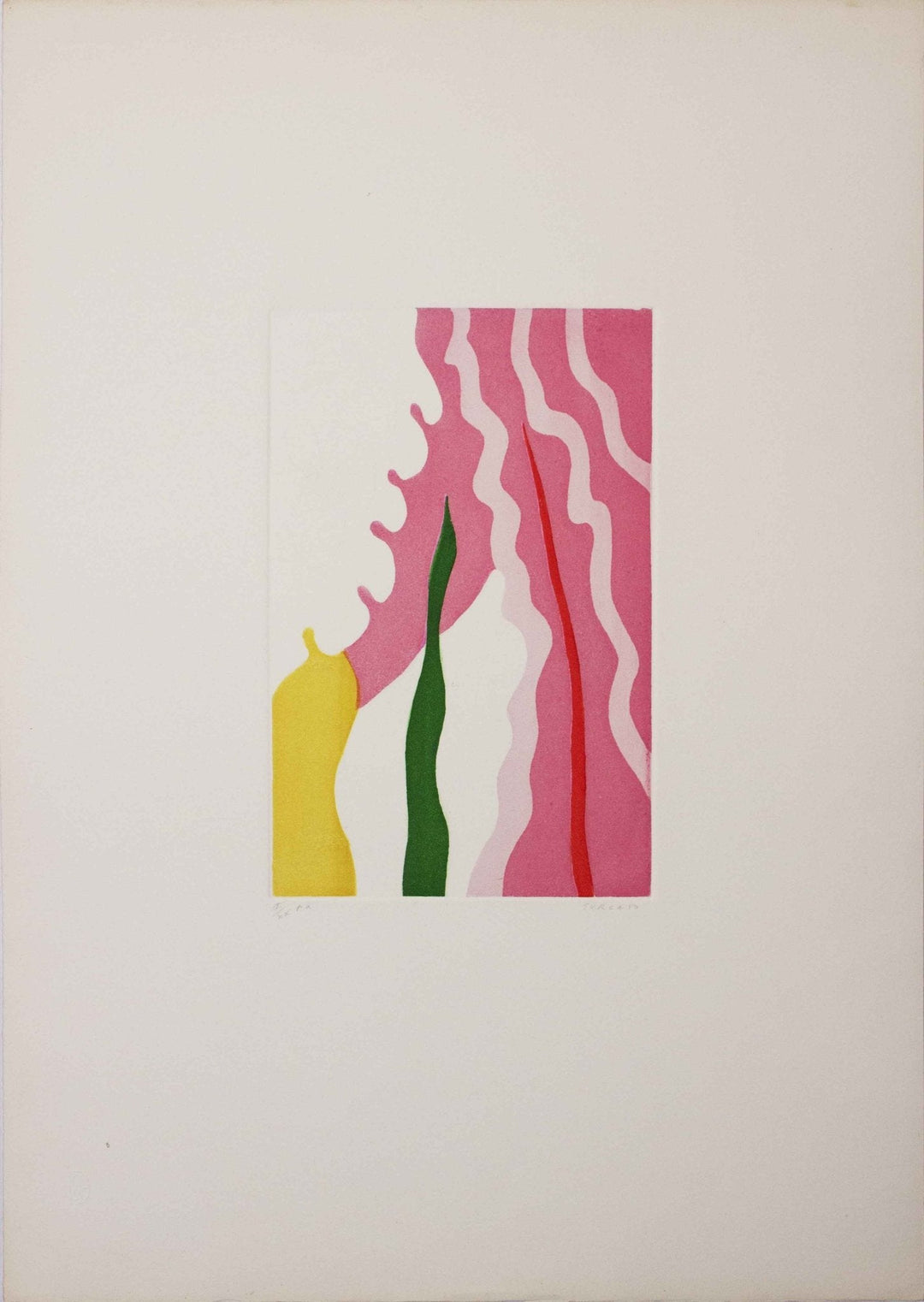
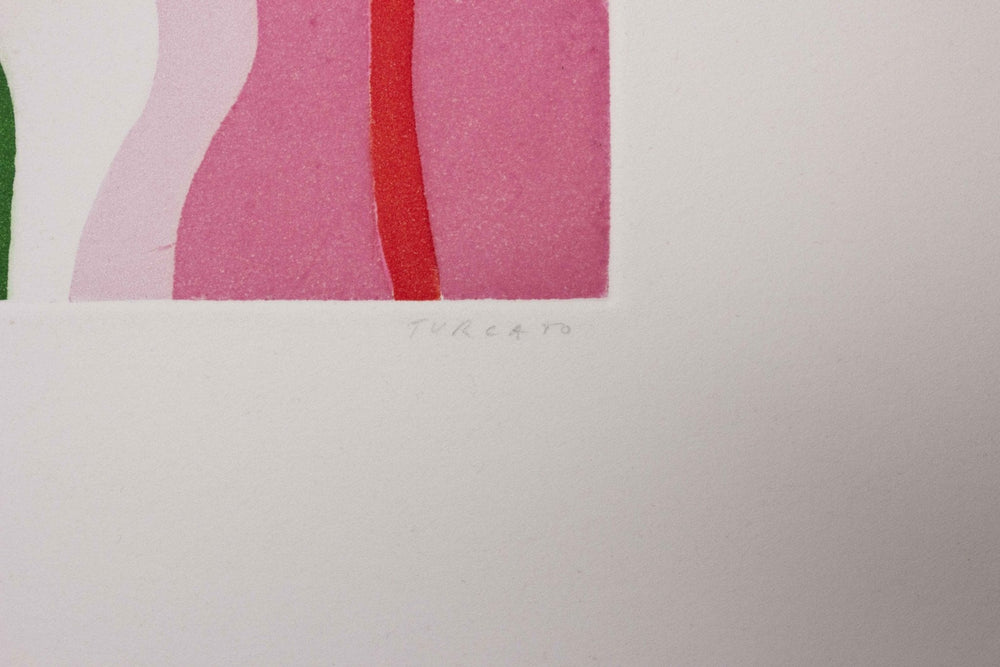
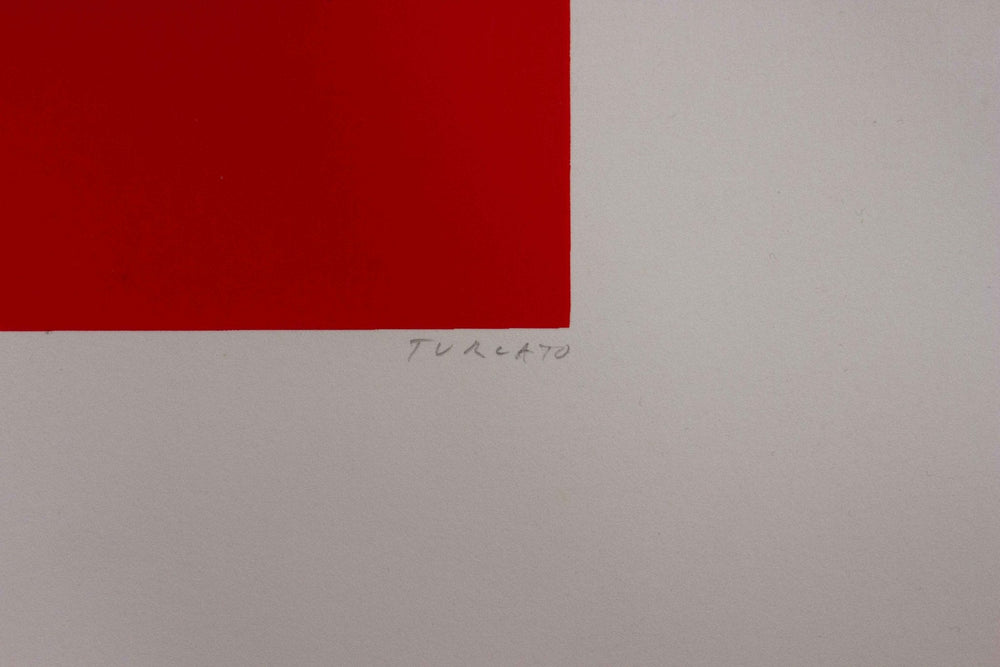
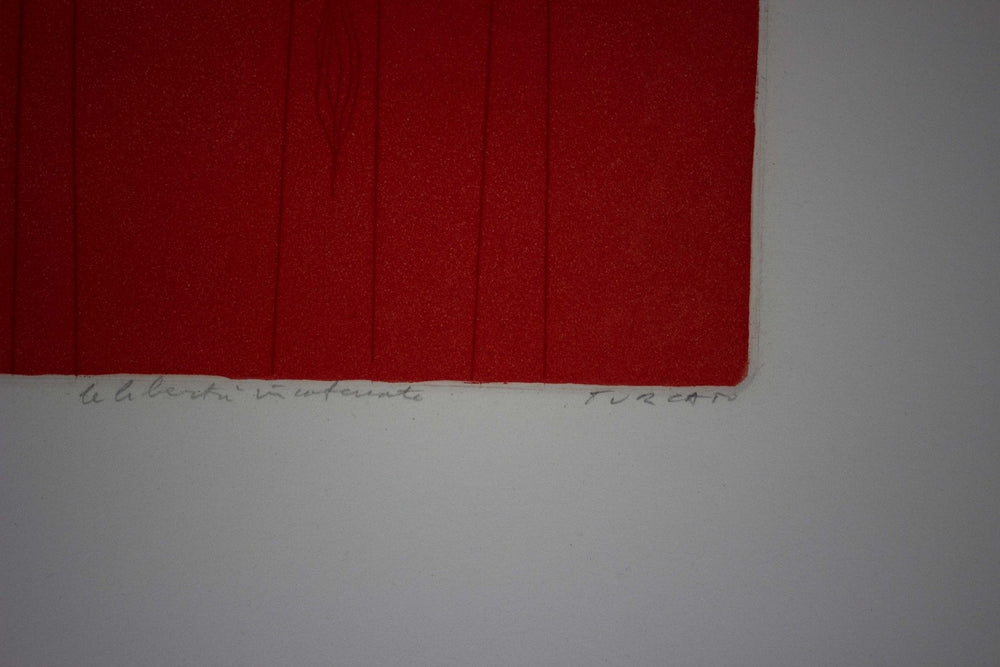
A separate chapter concerns graphics, which includes lithographs and etchings. Turcato’s lithographs, often produced in limited editions and signed, have valuations between 300 and 1,500 euros: affordable prices that allow many enthusiasts to approach his artworks. The etchings, rarer and more refined, present a slightly higher range, oscillating between 500 and 2,000 euros. In some cases, complete series or prestigious editions can reach even higher valuations.
In conclusion, Giulio Turcato’s valuations show a rich and layered panorama: from accessible lithographs to museum-quality paintings with record bids. This variety makes the artist appealing both to expert collectors and to those wishing to start, with the certainty that his centrality in 20th-century Italian art guarantees cultural and historical value as well as economic.
Ti piace Giulio Turcato?
Per ricevere gli ultimi aggiornamenti di questo artista, lascia la tua email qui sotto:Il tuo indirizzo email è stato aggiunto alla lista dell'artista.
