


Luigi Bartolini OPERE


Luigi Bartolini was born in Cupramontana on February 8, 1892, and was a central figure in 20th-century Italian art. From his youth, Luigi Bartolini showed a strong inclination for drawing and literature, nurtured in a cultured family environment sensitive to the arts. After technical studies completed in Jesi, he moved first to Siena and then to Rome, where he attended the Academy of Fine Arts and deepened his knowledge of subjects such as anatomy, art history, and literature. In these years, he created his first etching in 1909, demonstrating an early mastery of the engraving technique.
During his stay in Florence between 1913 and 1914, Bartolini intensely studied the engravings of Rembrandt, Callot, and Goya, experiences that decisively influenced his visual poetics. At the outbreak of World War I, he was called to arms and fought as an artillery officer on the Carso and Piave fronts; for his valor, he received the bronze medal for military valor. After the conflict ended, he returned to the Marche region and energetically resumed his artistic and literary activities, alongside teaching drawing.
In the 1920s, Luigi Bartolini painter and engraver participated in important exhibitions and began a steady collaboration with newspapers and cultural magazines. His refusal to officially join the fascist regime caused forced relocations and professional difficulties. In 1933, he was arrested and confined first in Montefusco and then in Merano, where he remained until 1938. This period, although complex on a personal level, was among the most fertile of his artistic production.
From 1928 to 1962, he participated almost continuously in the Venice Biennale, winning prestigious awards, including the Grand Prize for engraving in 1942. At the same time, he developed a vast literary activity: he published over seventy books including novels, essays, and poetry collections. In 1946, the novel Bicycle Thieves was published, which inspired the famous film by Vittorio De Sica. In his later years, he received numerous official recognitions and in 1960 was named an Academician of San Luca. He passed away in Rome on May 16, 1963, leaving an artistic and cultural legacy of extraordinary breadth.
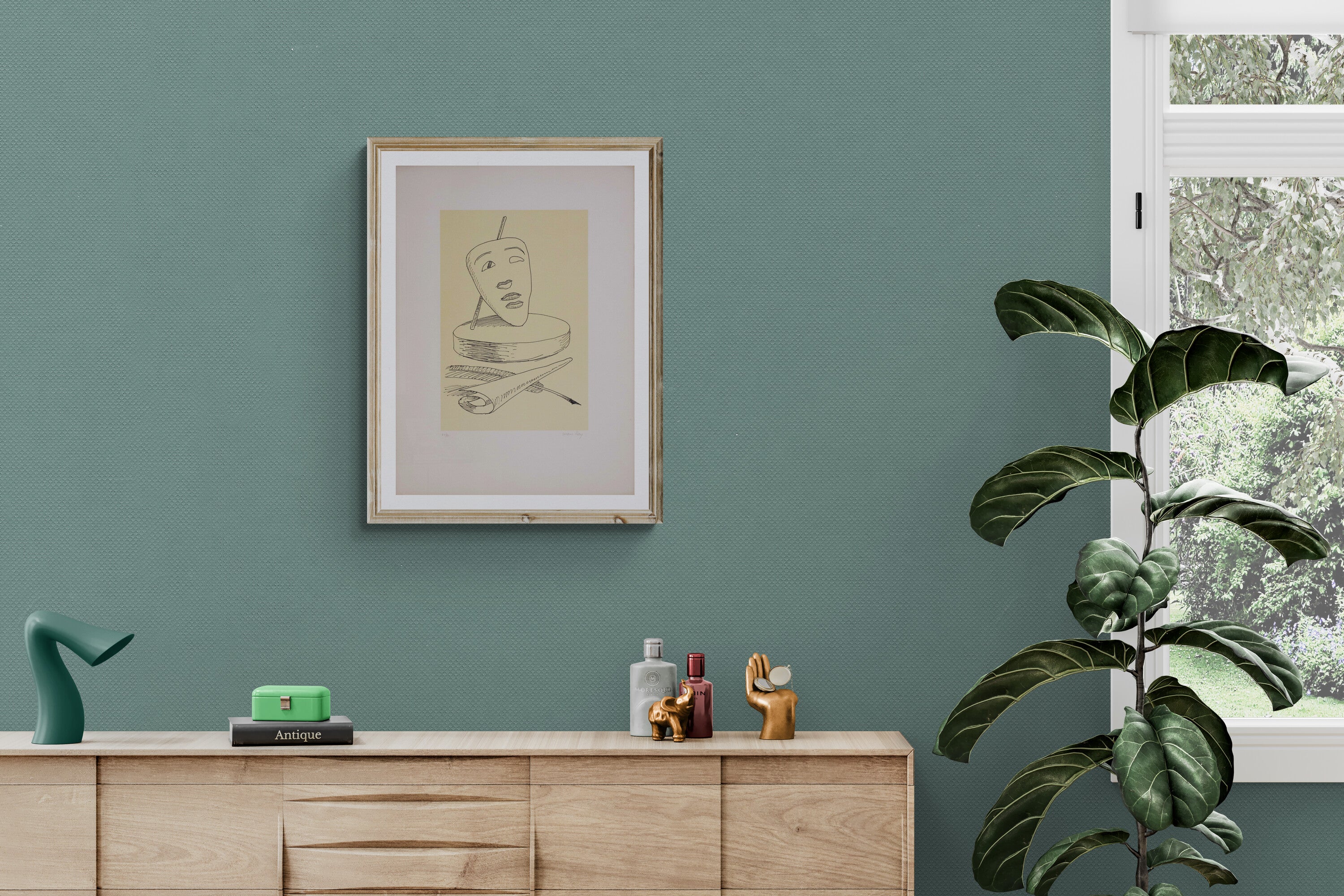
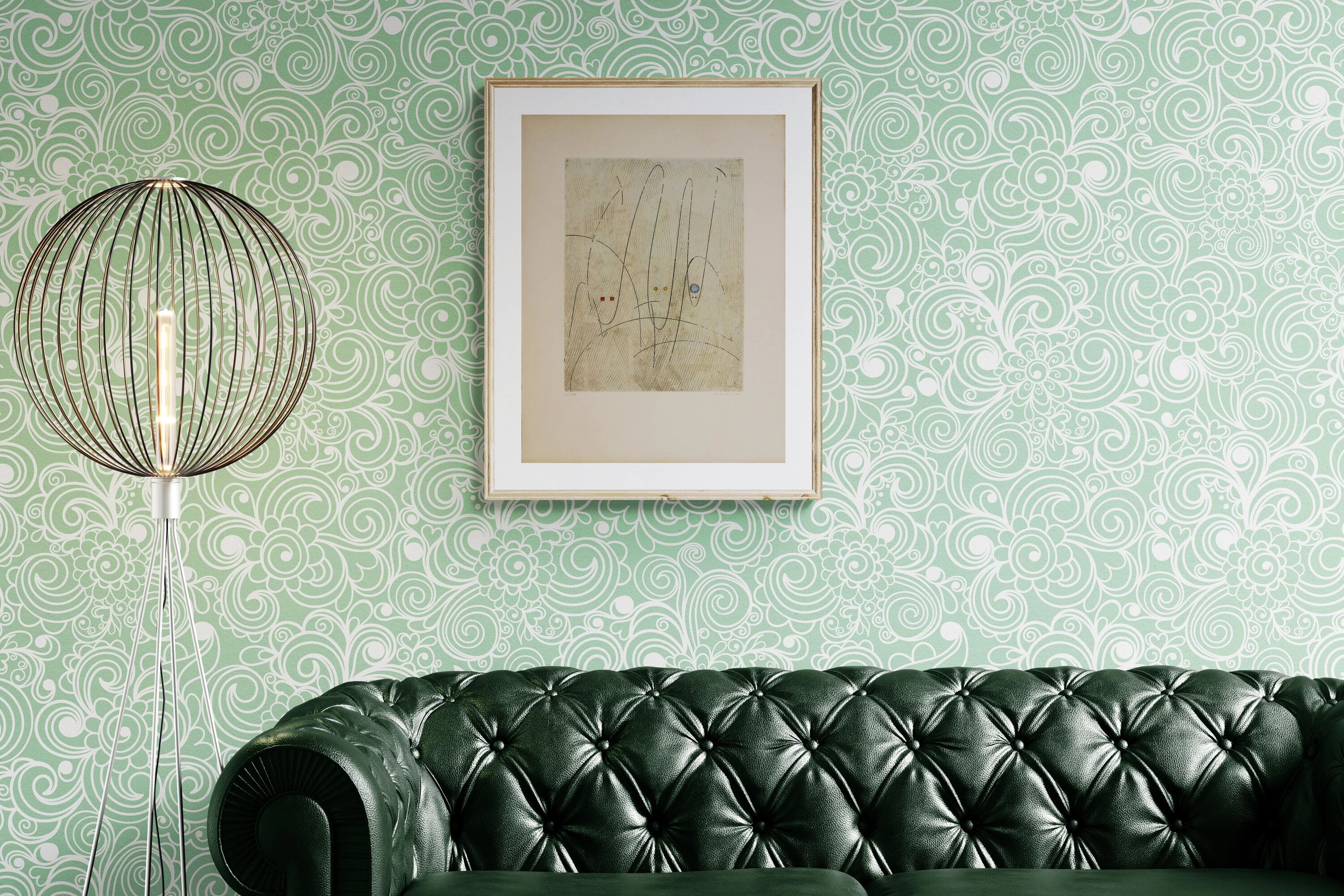
The artistic production of Luigi Bartolini focuses mainly on engravings and painting, with an absolute preference for etching. Among his most famous engraved artworks are The Lantern, Fonte San Gennaro, and The Succulents, acquired by the Print Cabinet of Paris. The artist developed several stylistic “manners” – blonde, black, and linear – through which he explored the relationship between line, light, and matter.
Alongside Marche and Sicilian landscapes, he created important thematic cycles such as Insects, Butterflies, Birds, and Hunting Scenes, where naturalistic observation merges with a lyrical and sometimes polemical vision. His graphic production also includes lithographs and screen prints, often produced in limited copies, now highly sought after. Although less numerous, his oil paintings accompany his engraving work with portraits, still lifes, and landscapes of intense expressive power.
Luigi Bartolini valuations
The valuations of Luigi Bartolini vary significantly depending on the genre and technique. Engravings, particularly original signed and numbered etchings, represent the most sought-after segment of the market: prices generally range from 800 to 4,000 euros, with higher peaks for rare sheets or those from famous series. Lithographs have more accessible valuations, usually between 300 and 1,200 euros, depending on quality and condition.
Ink or pencil drawings show variable valuations between 1,000 and 3,000 euros, while oil paintings can exceed 10,000 euros for the most significant works. There are no significant productions of sculptures. Overall, Bartolini’s market appears solid and supported by the artist’s historical importance and the quality of his graphic production.
Ti piace Luigi Bartolini?
Per ricevere gli ultimi aggiornamenti di questo artista, lascia la tua email qui sotto:Il tuo indirizzo email è stato aggiunto alla lista dell'artista.
