


Ugo Attardi OPERE


Ugo Attardi (Sori, March 12, 1923 – Rome, July 20, 2006) was an Italian painter, sculptor, and writer, among the protagonists of Italian art in the second half of the twentieth century. His biography intertwines with the cultural and political ferment of the postwar period, leading him to develop a personal pictorial and sculptural language that spans abstractionism and expressionism. A versatile artist and tireless experimenter, he left an indelible mark on the history of Italian art, also distinguishing himself for his graphic production and for his reflection on the relationship between art and civic commitment.
Ugo Attardi painter
Ugo Attardi was born in Sori, near Genoa, in 1923, to a family with strong Sicilian roots. After spending his childhood in Palermo and attending art high school, in 1941 he enrolled in the Faculty of Architecture, but the war prevented him from completing his studies. The move to Rome in 1945 marked a decisive turning point for his artistic career: hosted by Pietro Consagra and Renato Guttuso, he immersed himself in the lively cultural environment of the postwar period, beginning an intense activity as a painter.
In 1948 Attardi participated in the birth of the Forma Uno movement, together with Carla Accardi, Antonio Sanfilippo, Pietro Consagra, Piero Dorazio, Mino Guerrini, Concetto Maugeri, Achille Perilli and Giulio Turcato. This group aimed to renew Italian art through adherence to abstractionism, but Ugo Attardi soon showed divergences with the group's orientation, moving towards an expressionism that reflects a deep connection with reality and the human figure.
In the early fifties, the painter was influenced by artists such as Francis Bacon and George Grosz, developing a personal style in which dramatic tension and expressive deformation are mixed. In these years he participated in the XXVI and XXVII Venice Biennale, establishing himself on the national art scene and also beginning his activity as an engraver, which accompanied him throughout his career.
In the sixties, Ugo Attardi consolidated his figurative poetics and participated in international exhibitions in cities such as London, Paris, New York, and Berlin. In 1961 he was among the founders of the group Il Pro e il Contro, which was born to oppose the hegemony of abstractionism with a painting that recovers the value of the figure and narrative. His painting, rich in symbolic suggestions, addresses themes of conquest, travel, and abuse of power, developing a personal and original vision.
Throughout his long career, Ugo Attardi was able to constantly renew himself, alternating artworks of great expressive power with refined graphic research, always maintaining a strong connection with reality and the great themes of the human condition.
Ugo Attardi artworks
The artworks of Ugo Attardi testify to his tireless research and stylistic eclecticism. His pictorial production is characterized by intense expressiveness and a figurative language capable of combining modernity and tradition, while his sculptural activity stands out for its monumentality and strong symbolic impact.
Among the most important artworks of Ugo Attardi are the large public works such as The Ship of the Revolution, a tribute to the bicentennial of the storming of the Bastille, installed in Rome at EUR, and The Dreams of the Norman King, located at Palermo airport. Also particularly well known is the monument Ulysses, created in 1997 and located in Battery Park in New York, a symbol of journey and challenge.
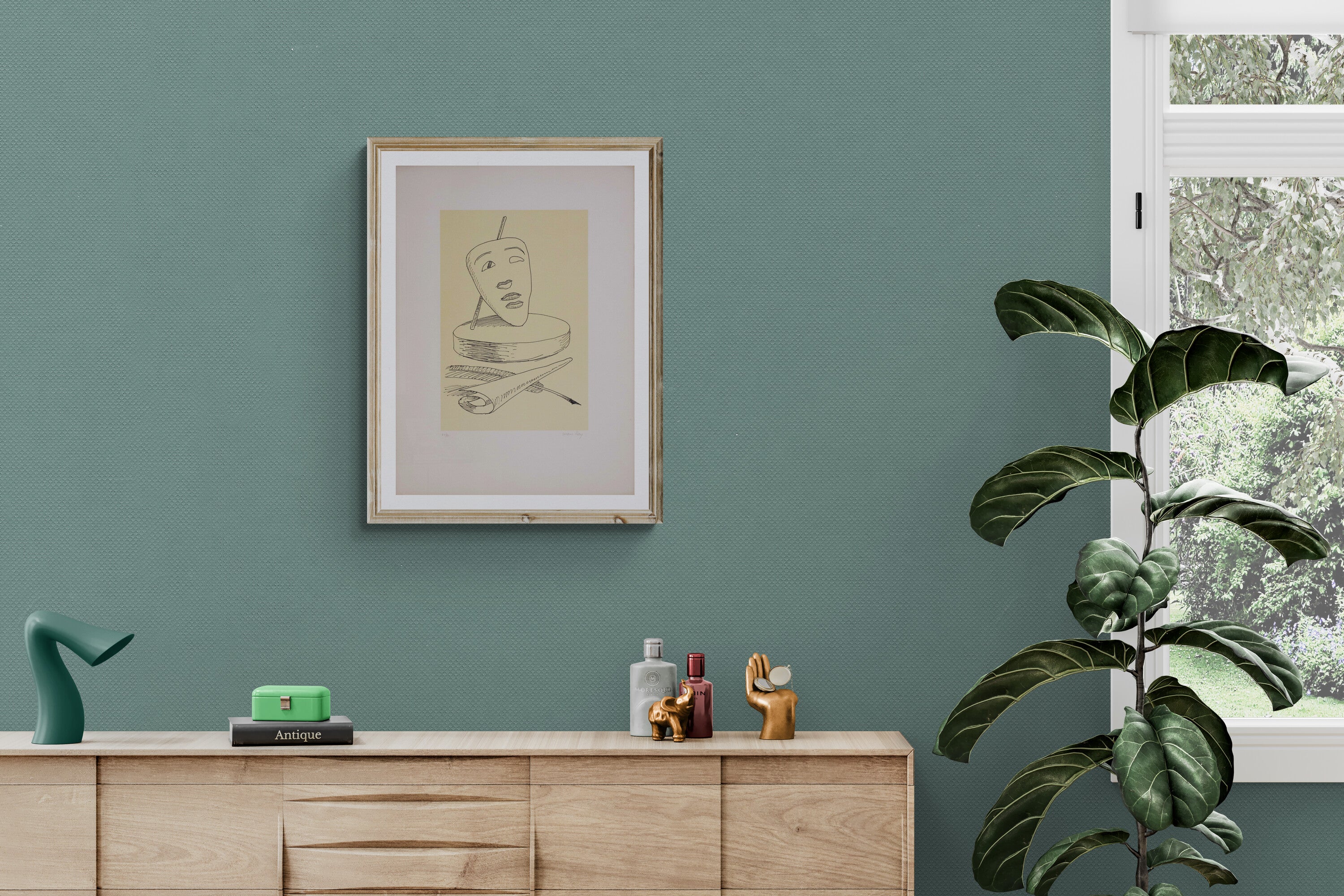
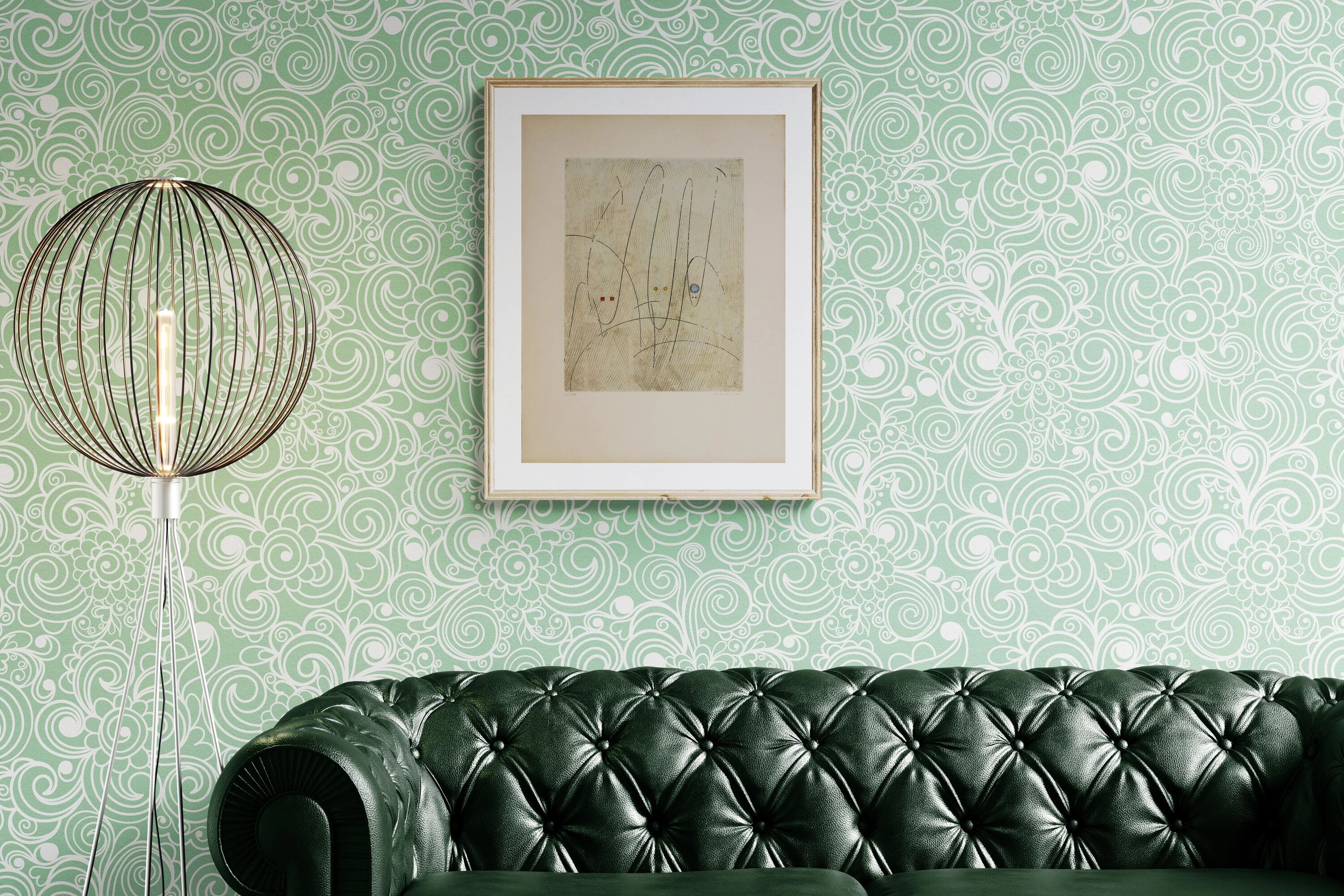
A fundamental aspect of Attardi's artistic production is represented by his graphic production. Since the early fifties, he has passionately dedicated himself to engraving techniques, producing etchings and lithographs of remarkable quality. These artworks highlight his ability to transfer the strength and tension of the sign onto paper, experimenting with ever new formal and iconographic solutions.
The artworks of Ugo Attardi have found space in the most important Italian and international public and private collections, as demonstrated by exhibitions at the Centre Georges Pompidou in Paris, the Venice Biennale, and the main contemporary art museums. The variety and depth of his production make him an essential protagonist of the Italian artistic scene of the twentieth century.
Ti piace Ugo Attardi?
Per ricevere gli ultimi aggiornamenti di questo artista, lascia la tua email qui sotto:Il tuo indirizzo email è stato aggiunto alla lista dell'artista.
