

Luca Maria Patella biography
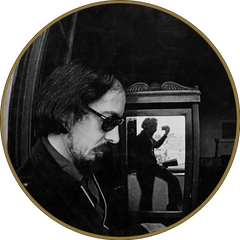
Luca Maria Patella, born in Rome on January 30, 1934, is an Italian artist of immeasurable complexity and talent. He navigated through the currents of various media and left an indelible mark on conceptual artwork, photography, cinema, and sculpture, becoming a pioneer in multimedia artwork. Son of Luigi Patella, an astronomer and inventor, his childhood between Rome and Paris deeply influenced his artistic and scientific formation. After graduating in Structural Chemistry, he approached psychoanalysis with Ernst Bernhard, devising a path that allows creating a link between artwork and science that would characterize his future career.
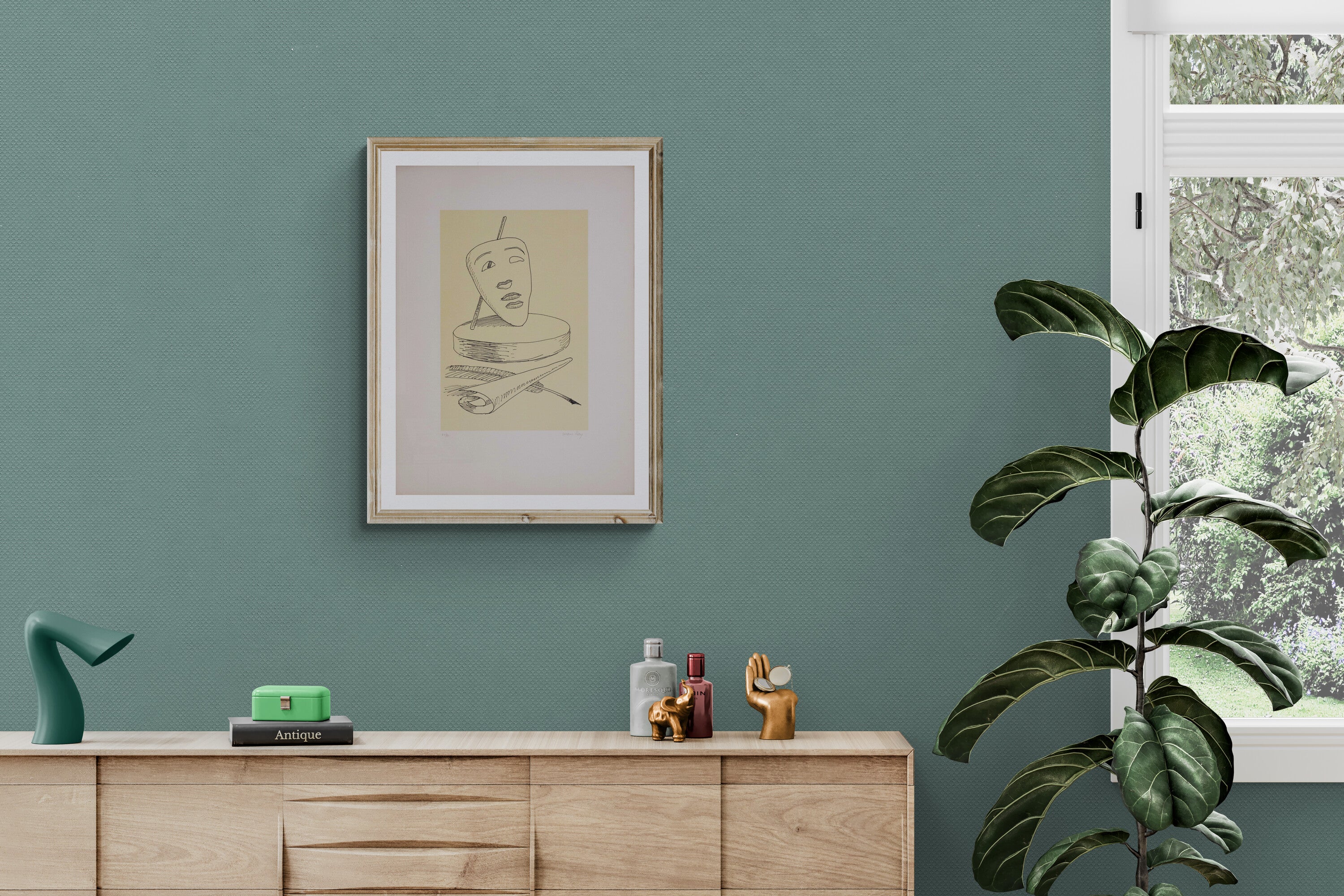
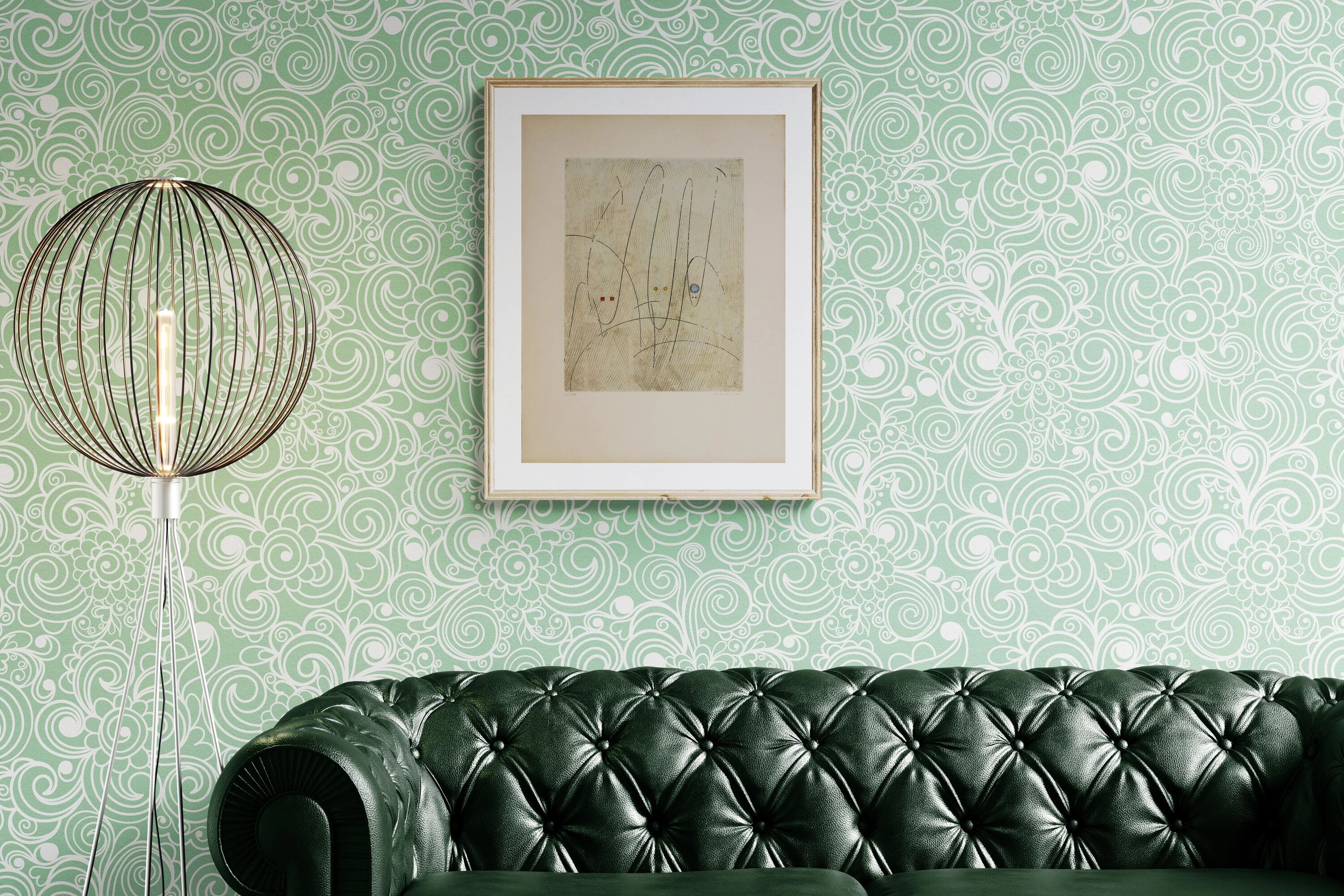
His artwork is a kaleidoscope of artistic expressions: from painting to sculpture, from installation to film, from photography to graphics, Luca Maria Patella never limited himself to a single medium. One of his most innovative contributions was the use of verbal language in all its expressive possibilities, sometimes broken down to phonemes, showing a complexity of meanings reflected in his work.
Since the '60s, Luca Maria Patella anticipated conceptual trends that would become a reference point for subsequent generations. He explored the fields of Land Art, Behaviorism, and Conceptualism, while maintaining total artistic autonomy, making him uncategorizable. Among his most significant works from this period are Animated Projective Environment (1966-68), Animated Earth (1967), and SKMP2 (1968), artworks that express his innovative vision of multimedia and technical research.
His artistic journey, however, is not limited to experimenting with new media. Luca Maria Patella has made significant contributions to literature, both with essays and with novels and poetry.
The artist has participated in numerous exhibitions and biennials, including six editions of the Venice Biennale and the XII Quadriennale di Roma in 1992. Among the most significant exhibitions are Reis dorheen L. Patella 1976-1965 in Antwerp, The Country of Creativity in Montepulciano, and Mysterium Coniunctionis in Brussels. His talent has been internationally recognized, winning the Pascali Prize in 1976, and the Grinzane Cavour, Feronia, and Vincenzo Cardarelli in 2002 for his poetry.
The artist's recent years have been dedicated to producing feature-length video films, structural poems, a novel, and new installations connected to his Art & Non Art proposal. He was also commissioned to create the large Fontaine Physiognomique de Magritte in Brussels in 2002.
The career of Luca Maria Patella is a testament to the lasting impact an artist can have when fearlessly experimenting, challenging the limits of the possible, and exploring new horizons of artistic expression. Despite his many achievements, Luca Maria Patella remains an artist in continuous evolution, always seeking new forms of expression and new ways to explore the complexity of life and artwork.