

SUGHI Alberto


Alberto Sughi (Cesena, 1928 – Bologna, 2012) was one of the leading figures in Italian figurative painting in the second half of the twentieth century. His work explored loneliness, human relationships, and the contradictions of contemporary society with great intensity, transforming everyday settings and recognizable figures into images charged with psychological tension. Far from both abstraction and simple realistic description, Sughi developed a style of painting capable of conveying what remains unspoken in gestures and glances.
Figurative art attentive to the human condition
Sughi's training developed along a personal path, shaped by observing reality and engaging with twentieth-century painting. From the outset, the human figure played a central role, but not as a subject to be celebrated. L'artista was interested in the concrete conditions of existence, social tensions, and the distance that can separate people even when they share the same space.
His style forms part of the debate on postwar figurative art while retaining an independent voice. The figures are recognizable and the settings often familiar, yet the scene seems suffused with unease. The painting does not illustrate a thesis: it confronts viewers with open-ended situations in which meaning emerges from the atmosphere and the relationships between the figures.
Bars, interiors, and scenes of modern life
Among the most characteristic subjects are bars, venues, waiting rooms, and interiors populated by figures who seem to struggle to communicate. L's urban setting and places of social interaction become scenes of isolation, while postures and glances suggest stories that are never fully told. Physical proximity does not amount to a genuine relationship: this is one of the most recurring tensions in his work.
The compositions are constructed with a theatrical eye. The characters’ positions, openings in the space, and direction of the light guide the viewer’s gaze without imposing a single narrative. Color helps make the atmosphere tangible: deep tones and carefully calibrated contrasts can transform an ordinary scene into an image of powerful emotional intensity.
Painting, drawing, and thematic cycles
Over time, Sughi developed painting cycles devoted to recurring situations and themes, exploring the relationship between individual experience and social context. Seriality does not entail mechanical repetition: it makes it possible to examine the same issue from different points of view, as in a narrative divided into chapters. Drawing also plays an important role, allowing him to study poses, spatial relationships, and expressive intensity.
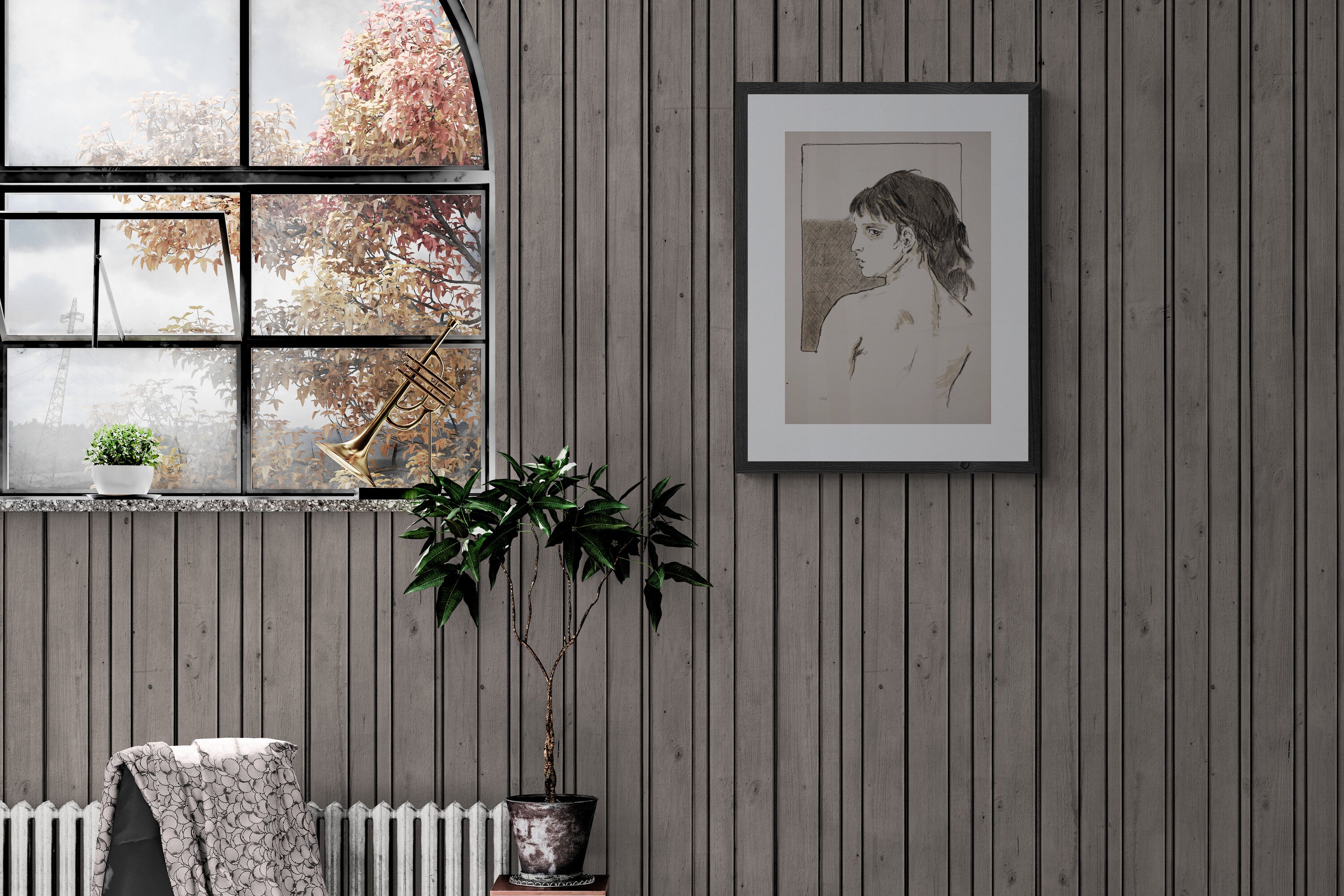
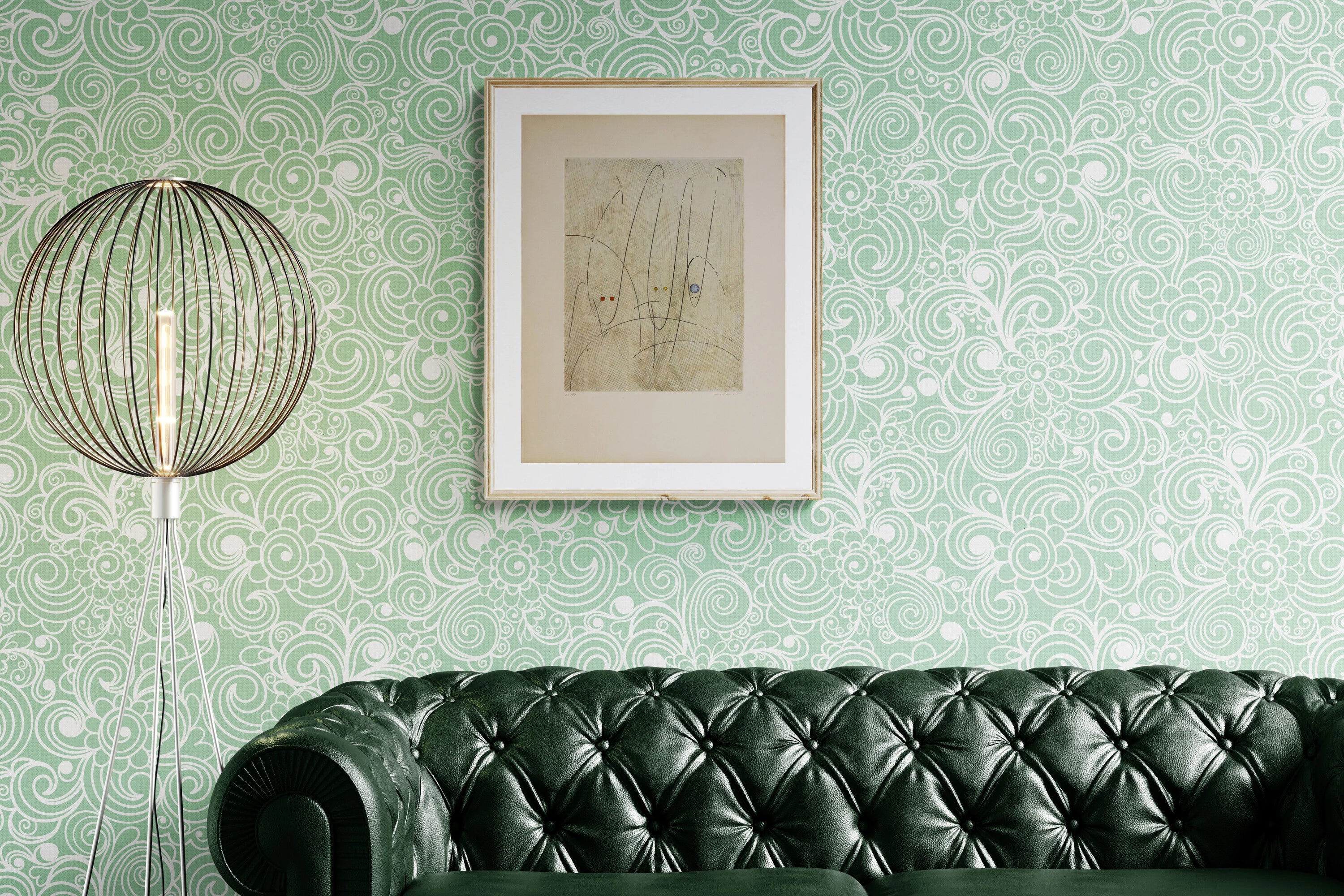
Sughi’s prints show his ability to construct an image from a few essential elements. When it comes to prints, it is important to distinguish between original prints, reproductions, and other forms of editions, verifying the technique, support, signature, numbering, and any publisher. His contribution to Italian painting lies in keeping figurative art alive and able to engage with the present: his characters belong to a specific era, yet their solitude continues to speak to viewers today.
Ti piace Alberto Sughi?
Per ricevere gli ultimi aggiornamenti di questo artista, lascia la tua email qui sotto: