

MASTROIANNI Umberto


In the sculptures of Umberto Mastroianni (Fontana Liri, 1910 – Marino, 1998), matter seems constantly to elude stillness. Metal planes, edges, cavities, and masses are arranged along contrasting directions, as if the work held an energy on the verge of release. This is a personal strand in the development of twentieth-century Italian sculpture, fueled by engagement with the avant-garde and profoundly shaped by the experience of war. His work engages with Futurist dynamism, but reworks its meaning in light of a history that had also revealed modernity's destructive face.
Training and the problem of movement
Having moved to Turin at a young age, Mastroianni came into contact with an artistic milieu in which sculpture and architecture offered opportunities to engage with modern research. L'interest in materials and sculptural construction gradually led him to move beyond the idea of volume as a compact, closed mass. Forms could open up, be traversed by voids, and extend in several directions; space no longer had to be limited to surrounding the sculpture, but could become an active part of its structure.
The reference to Futurism helps us understand the attention to movement, fragmentation, and the tension of lines. However, Mastroianni does not simply take up a language that emerged in the early decades of the century. In his artworks, dynamism does not amount to a naive celebration of speed or machinery. The structures can appear torn, crossed by impacts and contrasts, as if movement were also the sign of a rupture.
War, the Resistance, and the power of matter
The experience of the Resistance and the trauma of war helped give his research a historical and moral intensity. The energy of the sculptures is not merely a matter of composition: it suggests a world traversed by forces that clash, break apart, and try to come together again. The bronze and other materials used by the artist become tools for making this tension perceptible. The surfaces catch the light discontinuously, voids interrupt solid forms, and the eye is invited to follow trajectories that never lead to a single viewpoint.
Observing one of his sculptures therefore means moving around it. From one position, a compact profile predominates; from another, openings and interlocking forms emerge; a cavity may appear deep or almost disappear depending on the lighting. Movement is not depicted as an episode external to the work: it arises from the relationship between matter, space, and the viewer’s gaze. In this sense, Mastroianni transforms sculpture into a temporal experience that changes as it is observed.
Drawings, prints, and editions
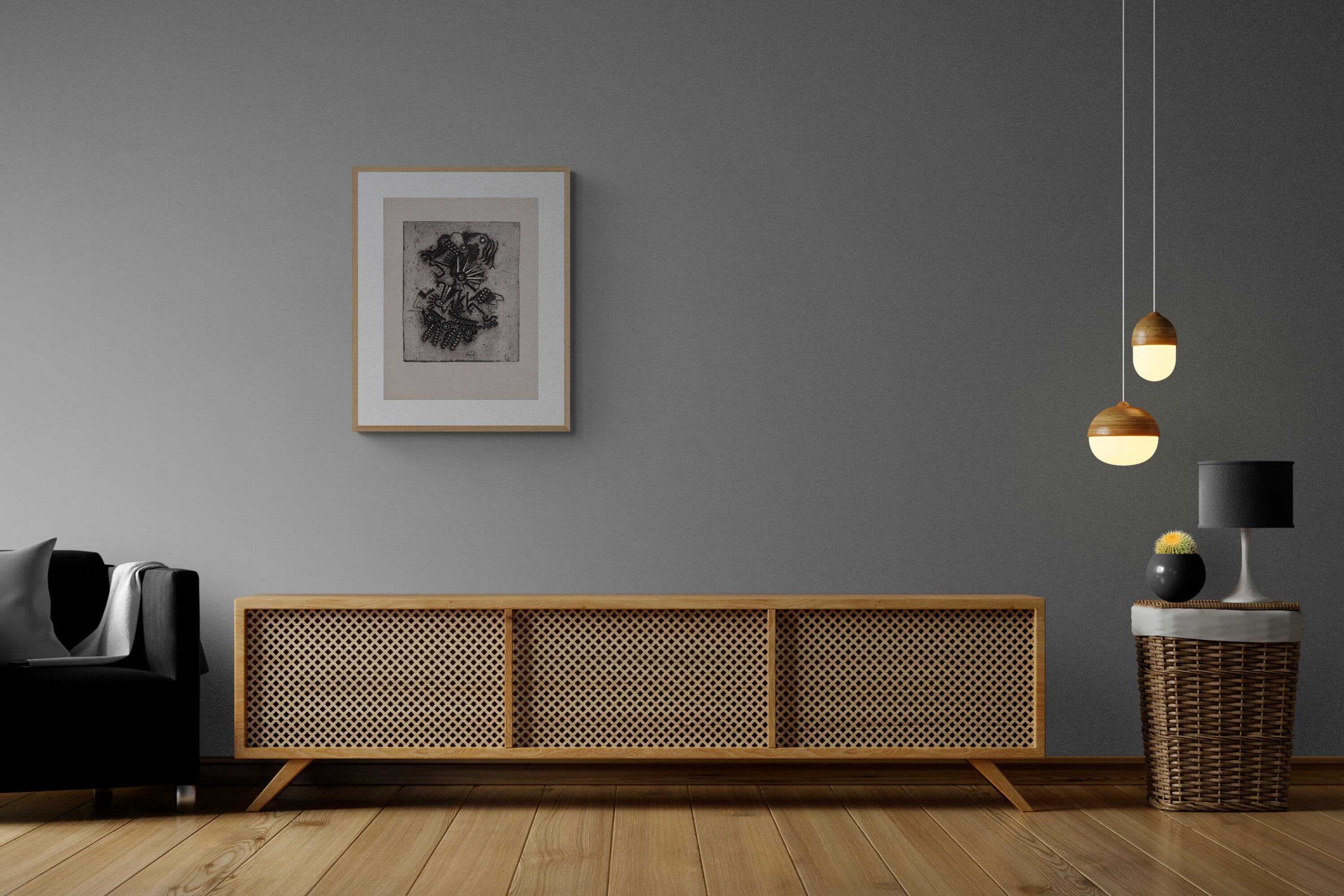
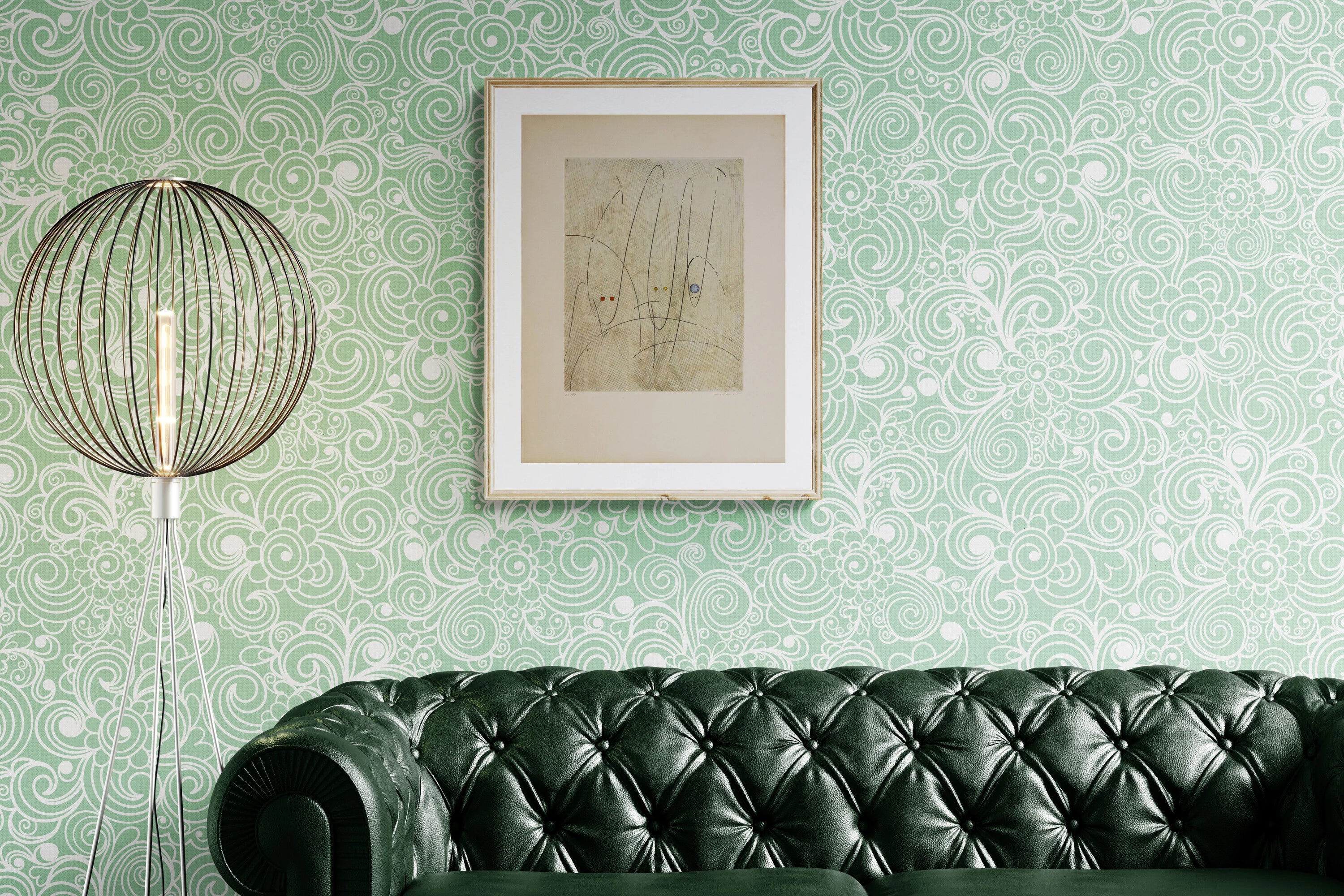
The same sensibility runs through the drawings and prints. Oblique lines, concentrated marks, and contrasting areas can evoke the energy of three-dimensional structures without being mere preparatory studies. When cataloguing a multiple work, it is important to distinguish between original print, reproduction, relief, and editioned sculpture, as each category involves different processes and identification criteria. For a cast, the foundry and edition documentation also matter; for a print, the technique, support, signature, and print run are relevant.
The power of Mastroianni’s research lies in the way a resistant, heavy material can convey acceleration, instability, and momentum. His artworks seem to remind us that matter is never truly inert: it can hold the memory of conflict and, at the same time, the possibility of transformation.
Ti piace Umberto Mastroianni?
Per ricevere gli ultimi aggiornamenti di questo artista, lascia la tua email qui sotto: