

Fausta Squatriti biography
- FAUSTA SQUATRITI ARTIST
Fausta Squatriti is an Italian artist among the most important in the panorama of Italian and international visual art. Born in Milan in 1941, she began her artistic research when she was just over twenty years old, and since then she has been a protagonist of a long and influential artistic career. Visual artist, art publisher, poet, narrator, and essayist, Fausta Squatriti has embraced multiple expressive forms, from graphics to drawing, from collage to sculpture, installations, and polymaterial works.
Her first steps in the art world took place between the 1960s and 1970s, a period of cultural fervor and artistic experimentation. She exhibited in various Italian galleries, such as Marconi, Mudima, Assab One, Weber&Weber, and abroad with important figures in the artistic scene, such as Pierre Lundholm, Alexander Iolas, Denise René and Karin Fesel.
Her passion for art led her to undertake a teaching career at prestigious art academies, such as those in Carrara, Venice, and Milan, spreading knowledge of artist books and contemporary art. A significant milestone in her career was in 1985 when she curated the section "Art and science: color" at the Venice Biennale, demonstrating an interdisciplinary and innovative approach in addressing the theme of art and science.
Her versatility and ability to move effortlessly among different media have allowed her to create original and engaging works ranging from abstract representation to critical analysis of political and social themes. One of the most interesting aspects of her artistic journey is the constant exploration of new languages and the evolution of her works over time.
From the study of informal art and surrealism in the 1960s, she then moved to a more figurative and narrative approach, inspired, for example, by Tiepolo's frescoes. This ability to constantly renew herself testifies to her attitude to explore and confront new themes and artistic challenges.
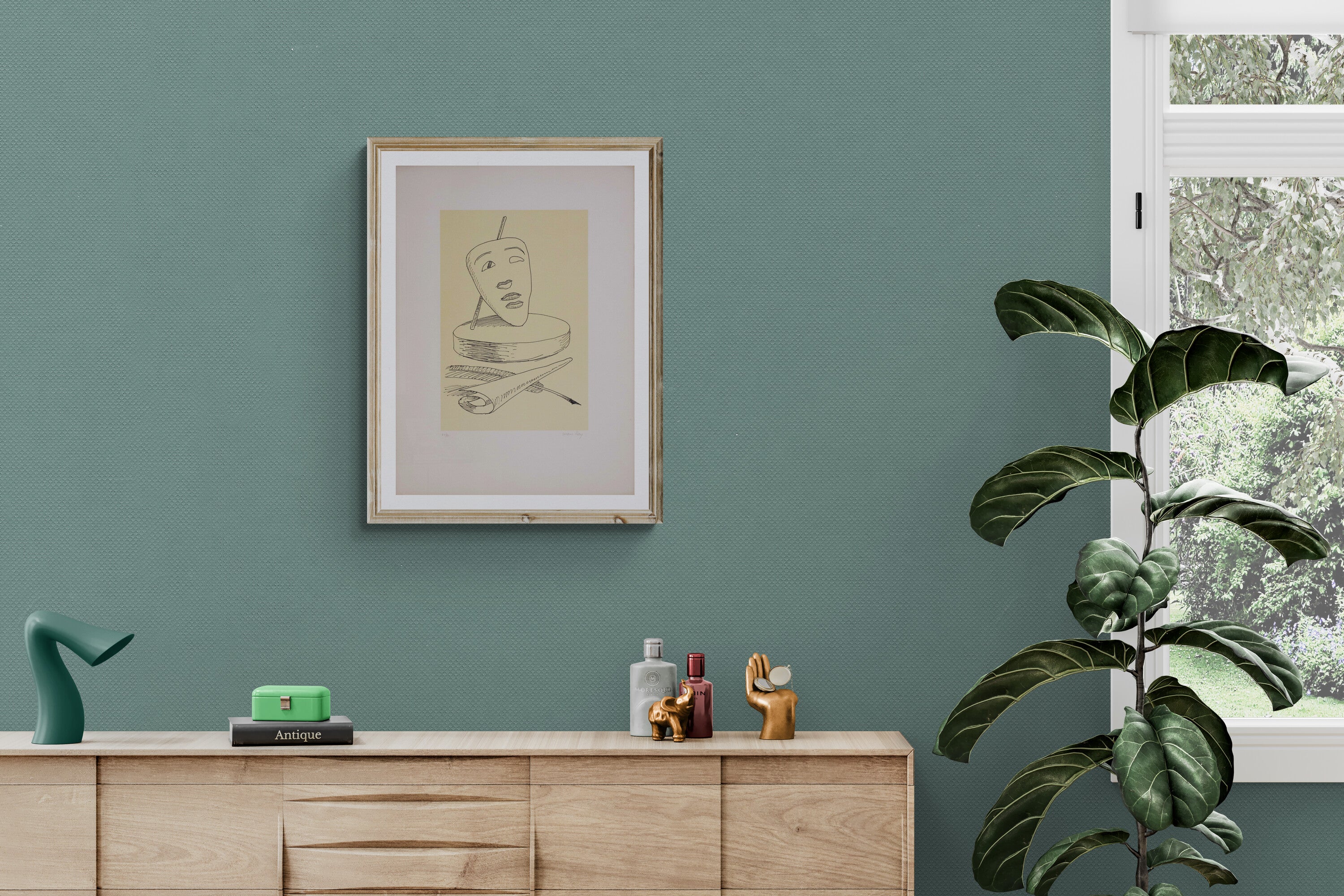
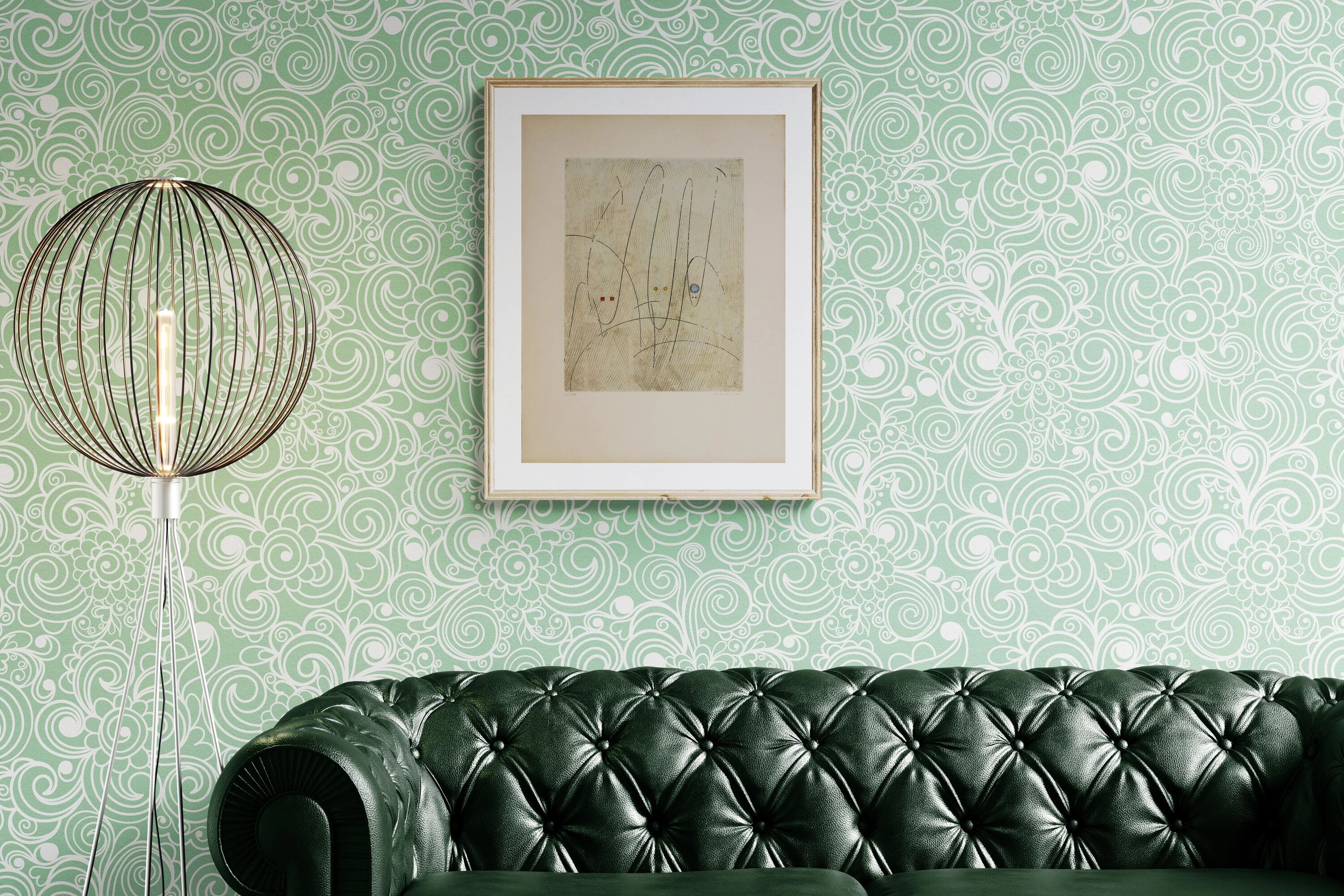
Drawing holds a special place in her artistic production. During the 1980s, Fausta Squatriti returned to drawing, attributing to it a fundamental role in expressing her emotions and investigating truth through abstraction. In particular, she found in the act of drawing a way to capture the ephemeral and fix on paper the flowers she received as gifts. Drawing thus becomes an autonomous form of expression and a tool to communicate feelings and thoughts. Her artistic production often deals with profound and universal themes, such as death and the transience of life. These concepts are treated with delicacy and intelligence, and her works become powerful tools to communicate emotions, reflections, and dissent towards a world in continuous change.
Fausta Squatriti courageously addresses political and emotional themes, as can be seen in works such as "In the animal kingdom" or "Signs of conflict", where art becomes a voice that testifies and denounces. Beauty plays a central role in her artistic work. She considers beauty as a vehicle to convey ideas and to emotionally impact the viewer. For Fausta Squatriti, beauty is not a static or universal concept, but rather a subjective and mutable experience, influenced by the culture and context in which the observer finds themselves.
Her artistic career has been accompanied by collaboration with critics and curators, and her relationship with them has been one of mutual exchange and enrichment. On one hand, she has worked with curators in important exhibitions, such as the one at the Moscow Museum of Modern Art in 2009, and on the other, she has maintained a relationship of friendship and esteem with many art critics, such as Umbro Apollonio, Carlo Belloli, Gillo Dorfles and others. These interactions have contributed to shaping her artistic path and defining her role in the Italian and international art scene. Fausta Squatriti's artistic research is characterized by incessant curiosity, constant exploration, and continuous search for new forms of expression. Her ability to convey emotions and reflections through her art is an invitation for those approaching her works to look beyond appearances and grasp the multiplicity of meanings and feelings hidden in the folds of human existence. Her legacy will undoubtedly be that of having taught us to see the world with attentive and sensitive eyes, rediscovering the beauty and depth hidden in every corner of our life experience.