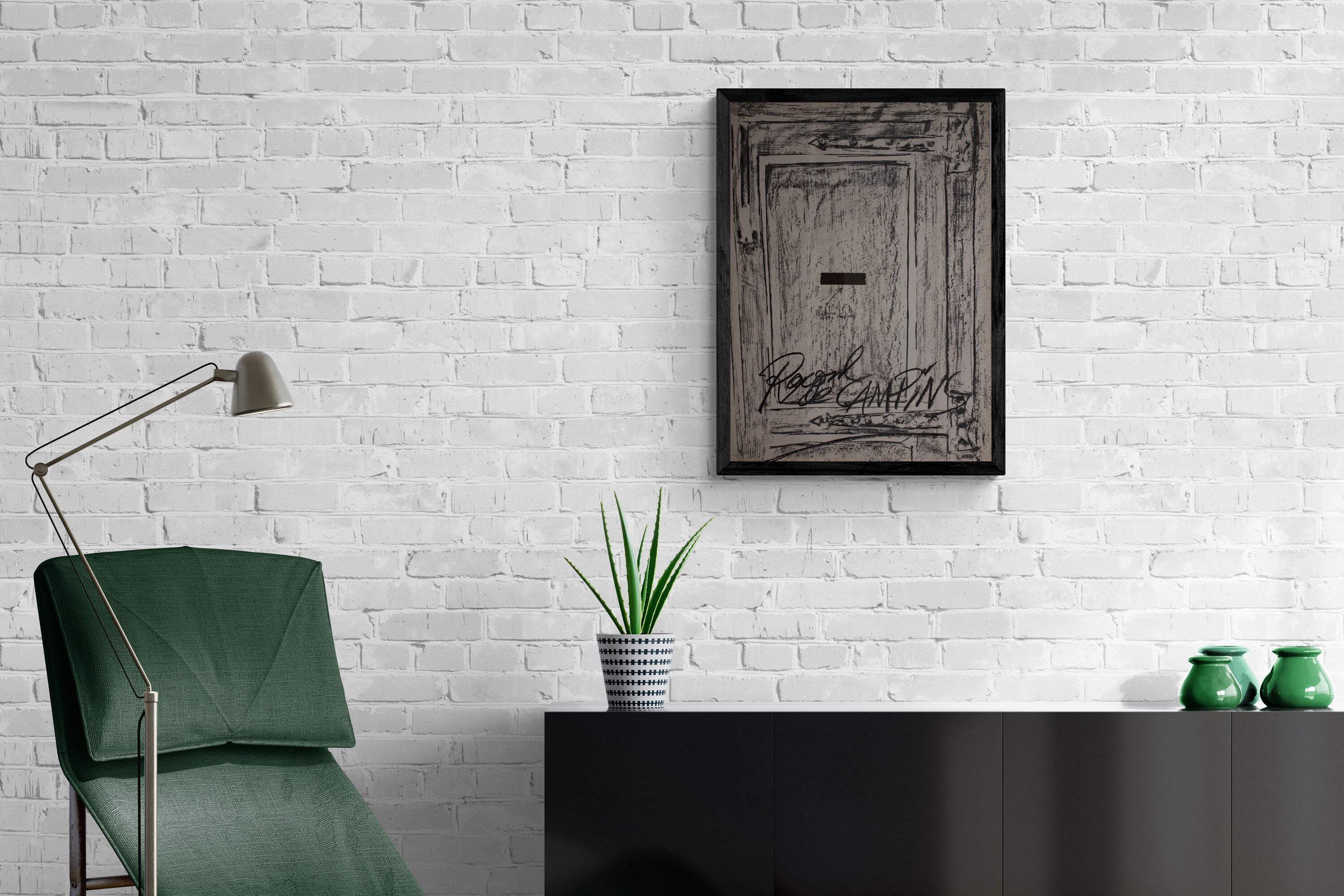

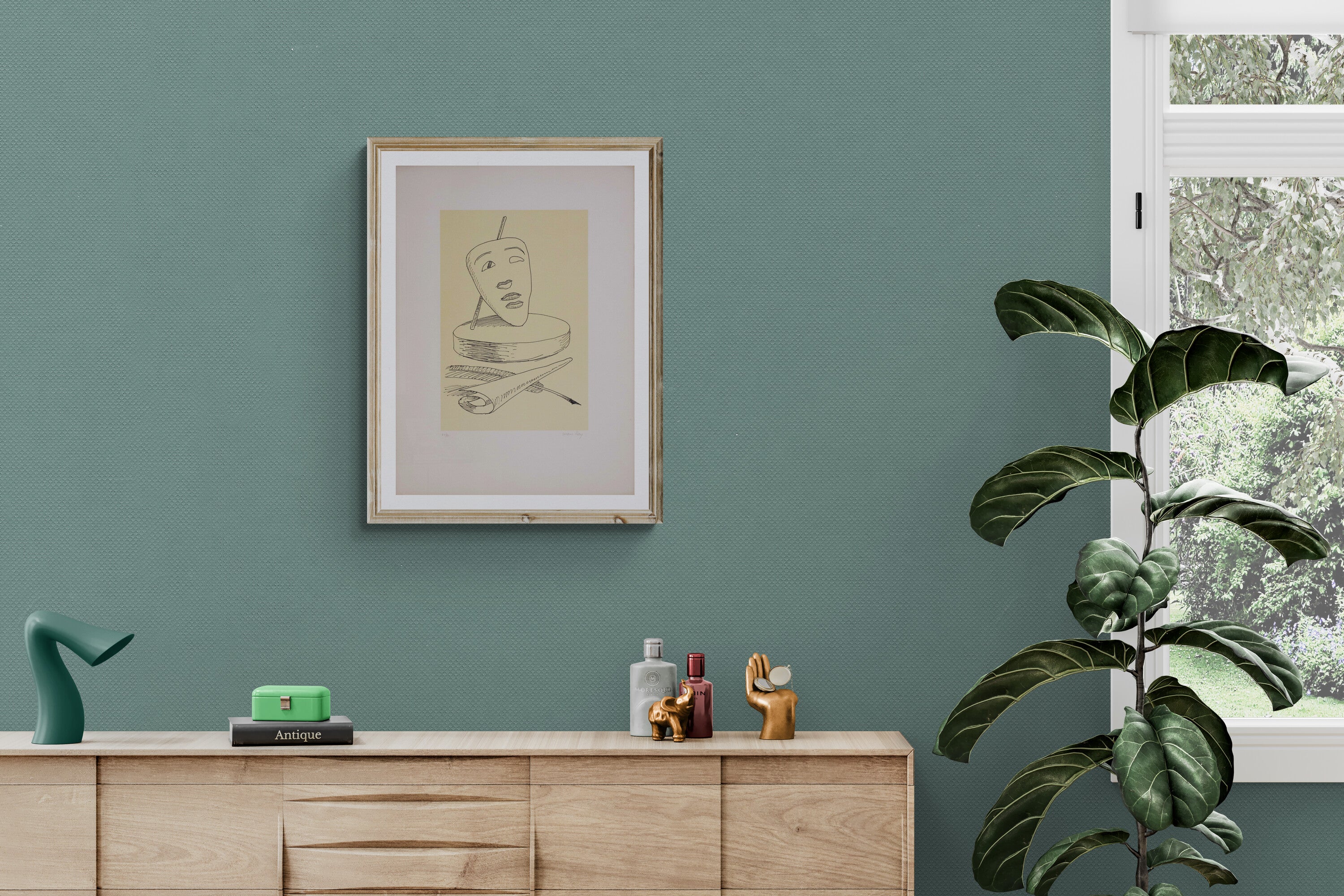
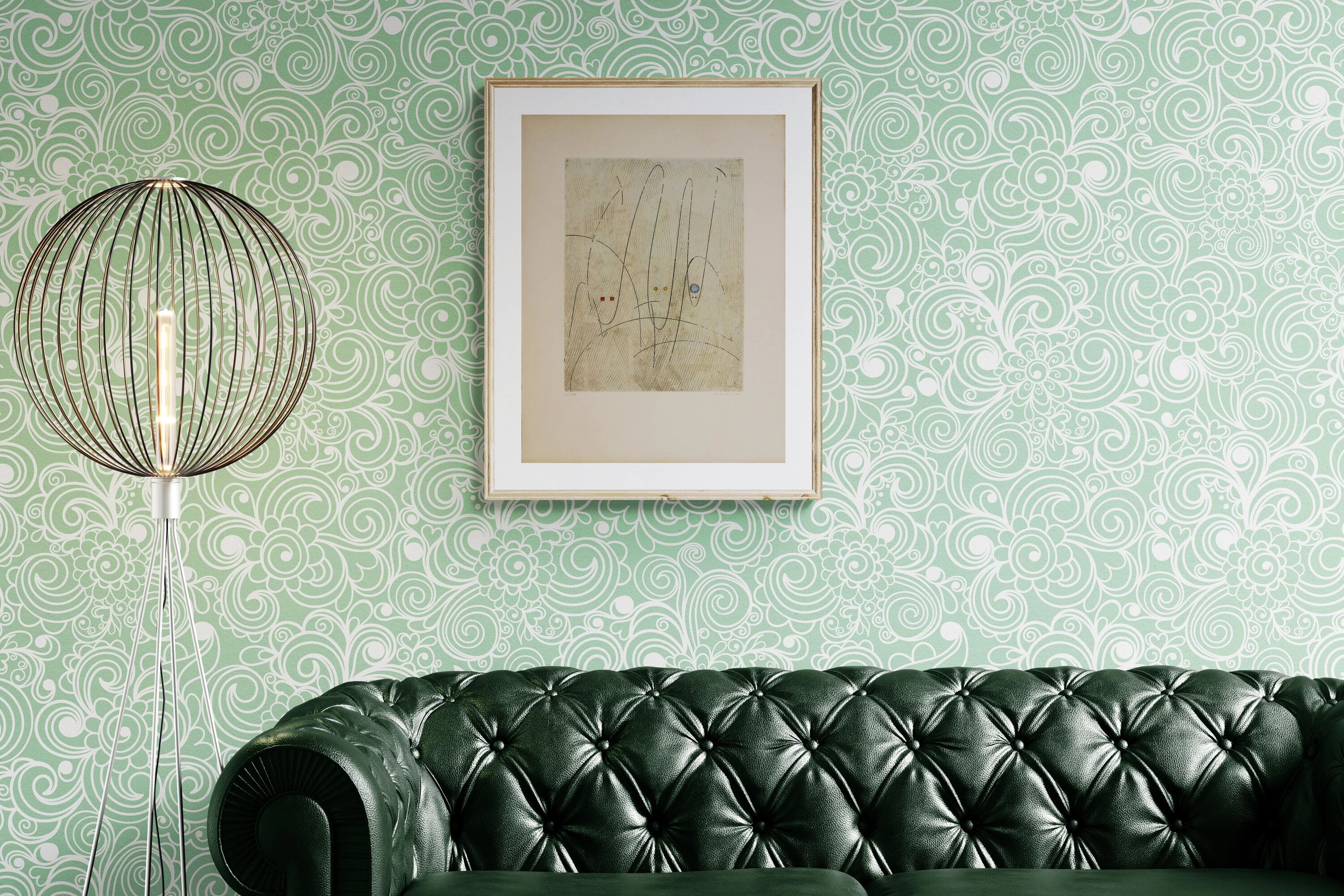

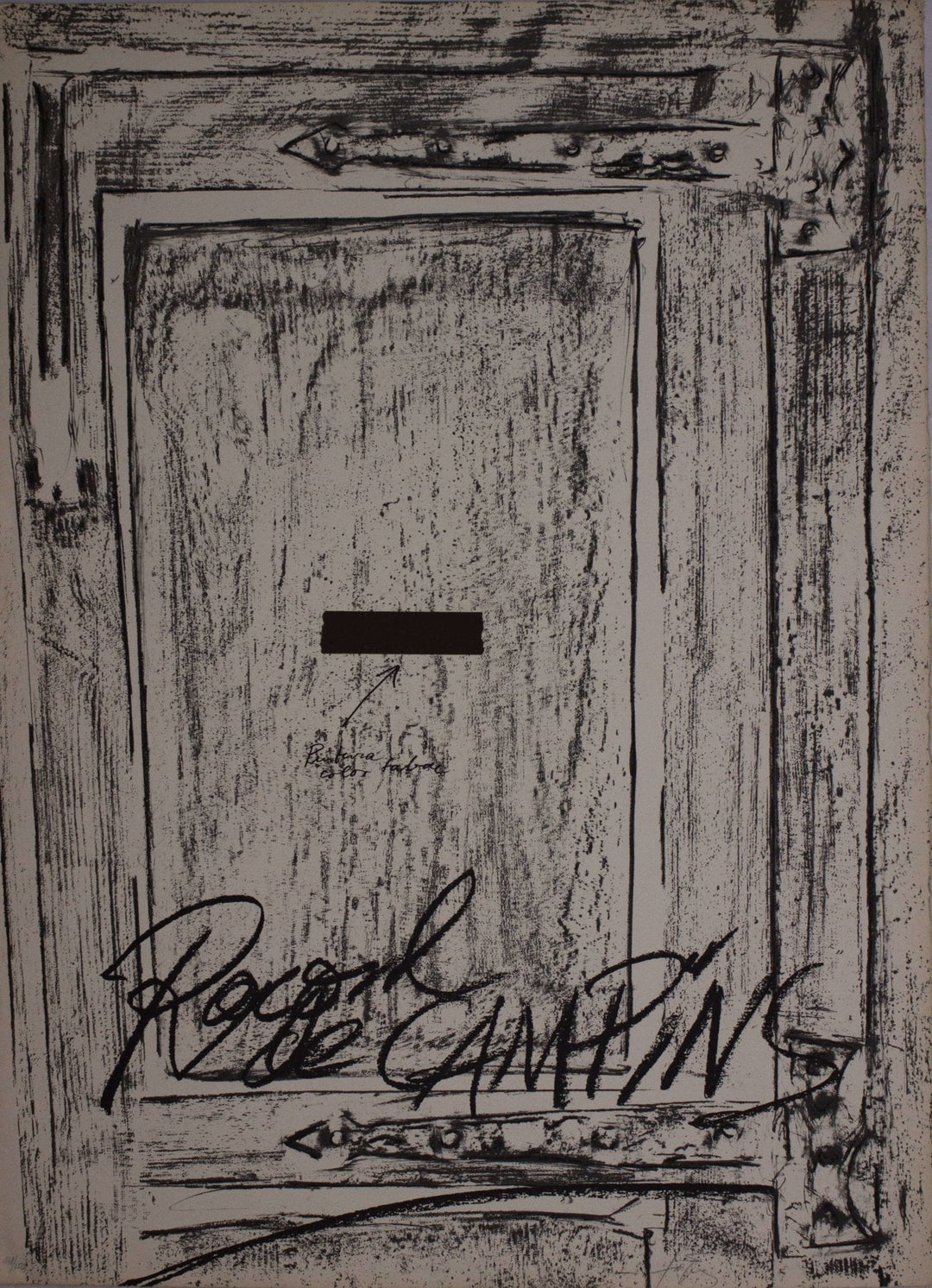
Antoni Tapies OPERE


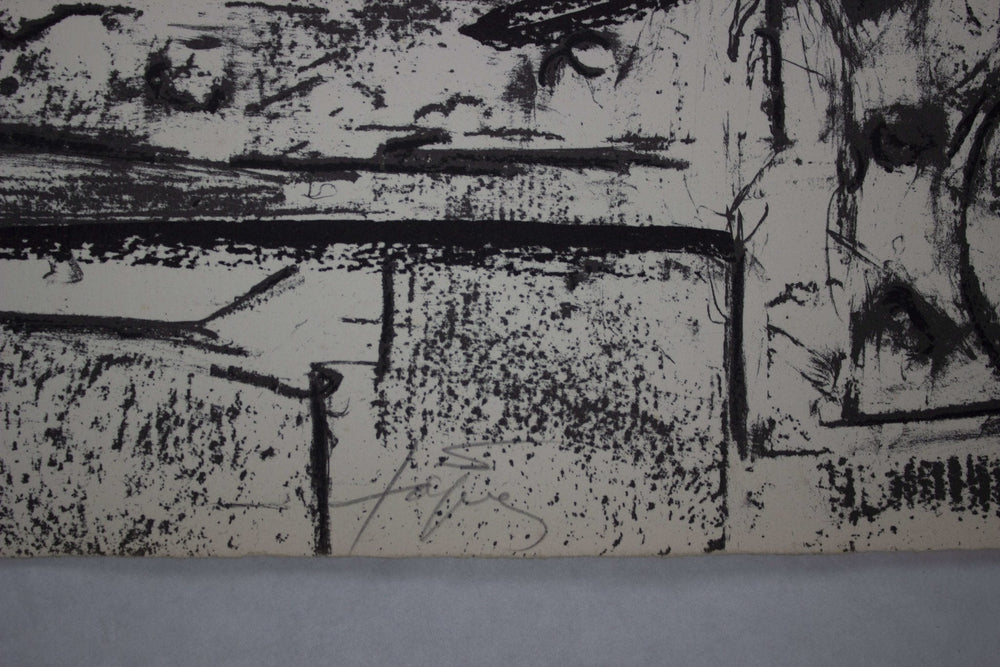


Antoni Tàpies i Puig, also known as the Marquis of Tàpies, was an eclectic Spanish artist born in Barcelona on December 13, 1923. His life and artworks were imbued with incredible autonomy and a spirit of inquiry, leading to a complex artistic corpus that embraces painting, sculpture, and profound philosophical reflection. Born into a family with a strong political inclination, Antoni Tàpies's youth was shaped by the differing ideological perspectives of his parents: his father's anticlericalism and his mother's orthodox Catholicism. This contrast pushed the young Antoni to seek a new spirituality, which he ultimately found in Eastern philosophies and religions, particularly Zen Buddhism. This inner quest had a significant impact on his future artistic practice.
His artistic career began in a rather unconventional way. Initially, he pursued law studies, but in 1946 he abandoned this path to dedicate himself to art, becoming a passionate self-taught artist. In 1948, he exhibited for the first time in a controversial show at the Salo d’Octubre in Barcelona, marking the beginning of an artistic journey rich in experimentation and innovation. Although often associated with informalism, Antoni Tàpies never liked labels and claimed his artistic autonomy. Nevertheless, his work reflects elements of informalism, with a notable emphasis on matter and its manipulation. His artworks assume a characteristic three-dimensionality, integrating real objects, clothes, body prints, and other solid materials. These elements create compositions rich in meaning and depth, communicating reality directly through a language of primordial signs.
In the '50s and '60s, Antoni Tàpies evolved as an artist, maturing his material style and expanding his influences. From his interaction with the art of Max Ernst, Paul Klee, and Joan Miró to Eastern philosophies, the artist created artworks that boldly and innovatively explore the changing qualities of matter.
His exhibitions in the United States, Japan, and South America earned him international recognition and visibility. In 1958, his solo show at the Venice Biennale earned him the UNESCO Prize, and over the years he continued to be honored with awards such as the Gold Medal for Fine Arts granted by King Juan Carlos I and the Medalla d'Or de la Generalitat de Catalunya.
Antoni Tàpies's reflection on his own artistic practice found expression in his writings. In 1966, he began the collection of writings titled "La practica de l’art", which deepened his ideas on art and the creative process. This reflection was a mirror of his deep human and civil commitment, which brought him into conflict with the Franco regime.
Antoni Tàpies spent part of his career experimenting also with ceramics and scenography, once again demonstrating his relentless curiosity and desire to explore new artistic directions.
His artistic influence reached its peak when he represented Spain at the Venice Biennale in 1993, being awarded the Golden Lion. His retrospectives organized in important museums and galleries, such as the Guggenheim Museum SoHo in New York and the Museo Nacional Centro de Arte Reina Sofía in Madrid, demonstrate the lasting importance of his contribution to contemporary art.
Antoni Tàpies passed away in Barcelona on February 6, 2012, but his artistic and philosophical legacy continues to inspire and influence subsequent generations of artists and thinkers. His individual quest, creative autonomy, and deep connection with matter have left an indelible mark on the history of 20th-century art.
Ti piace Antoni Tapies?
Per ricevere gli ultimi aggiornamenti di questo artista, lascia la tua email qui sotto:Il tuo indirizzo email è stato aggiunto alla lista dell'artista.