


Paintings
Material, colour and emotion.
A selection of original paintings, from twentieth-century artists to contemporary masters, across styles, techniques and artistic approaches.
OUR PAINTINGS
Original works that give shape to visions, moods and personal stories.
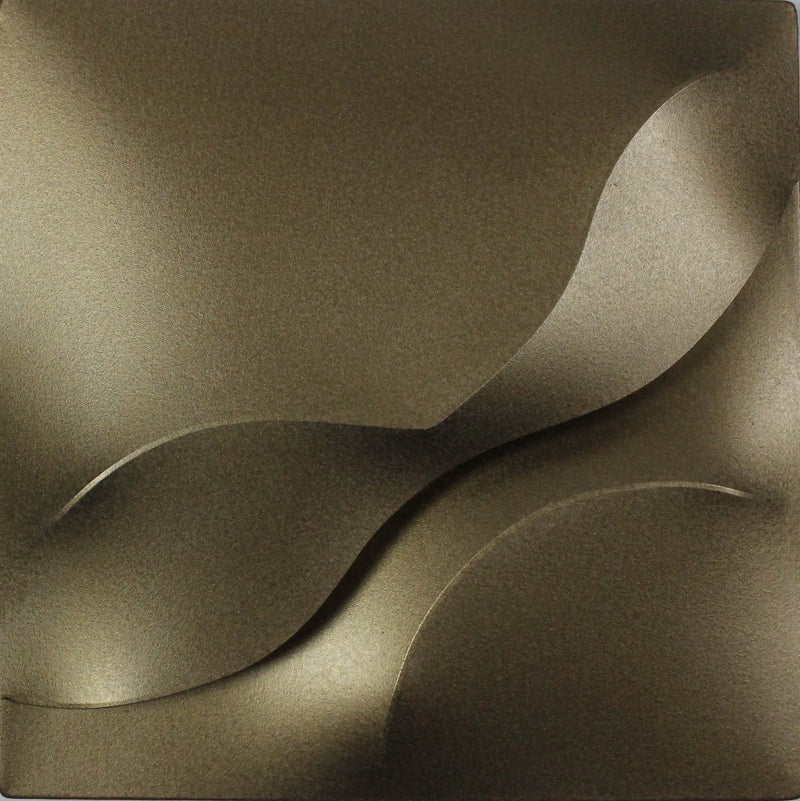

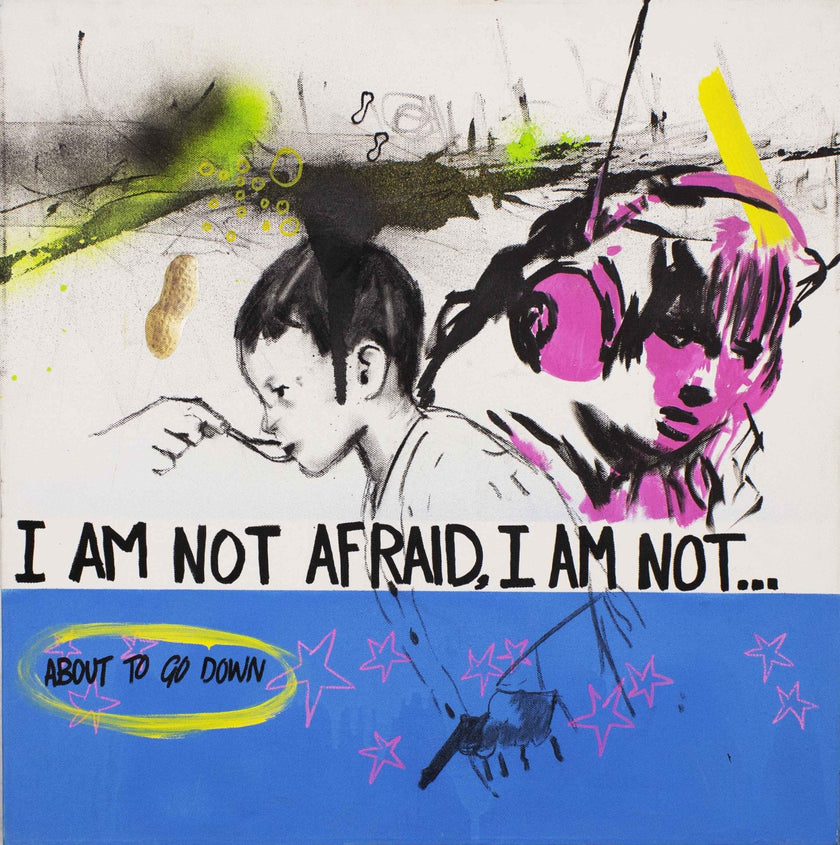
Stuart Semple
I am not afraid, i am not..
Mixed media (acrylic, charcoal, spray paint, marker and glitter)
32.827,00 kr
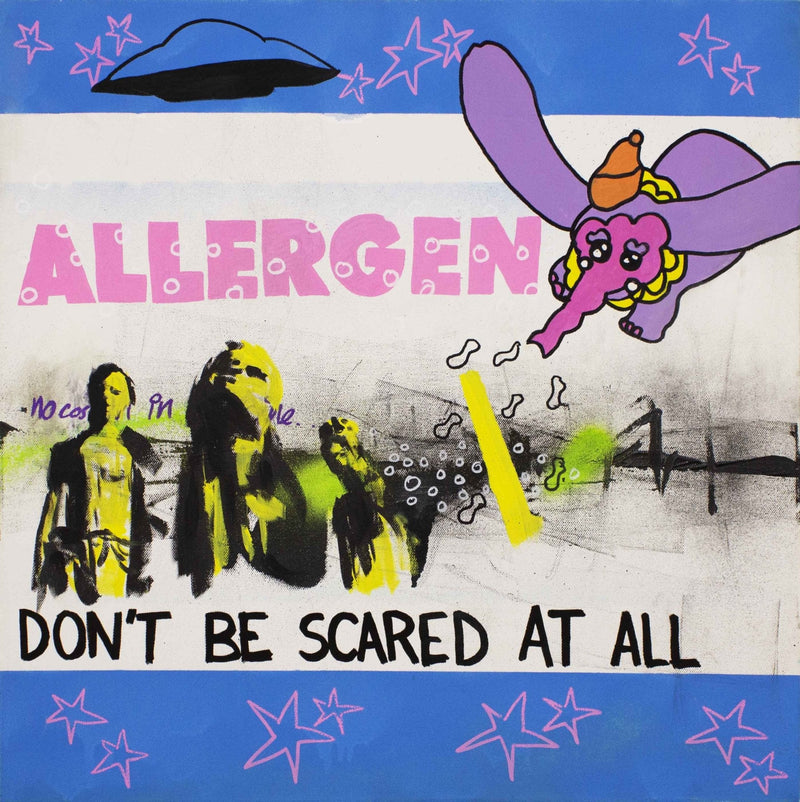
Stuart Semple
Allergen
2005, Mixed media (acrylic, charcoal, spray paint, marker and glitter)
32.827,00 kr

Stuart Semple
Just shallow me now
2005, Mixed media (acrylic, charcoal, spray paint, marker and glitter)
32.827,00 kr
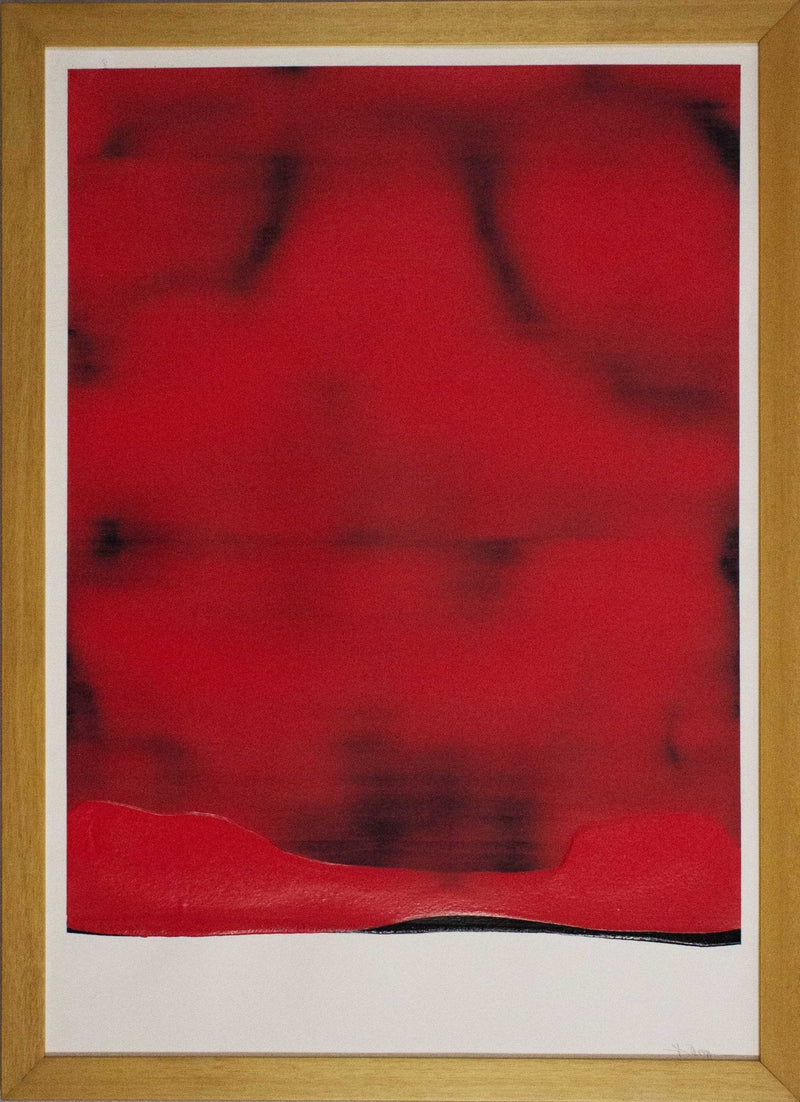
The main families of painting

Oil painting
Oil painting uses pigments bound with drying oils for glazes, tonal transitions and textured applications.
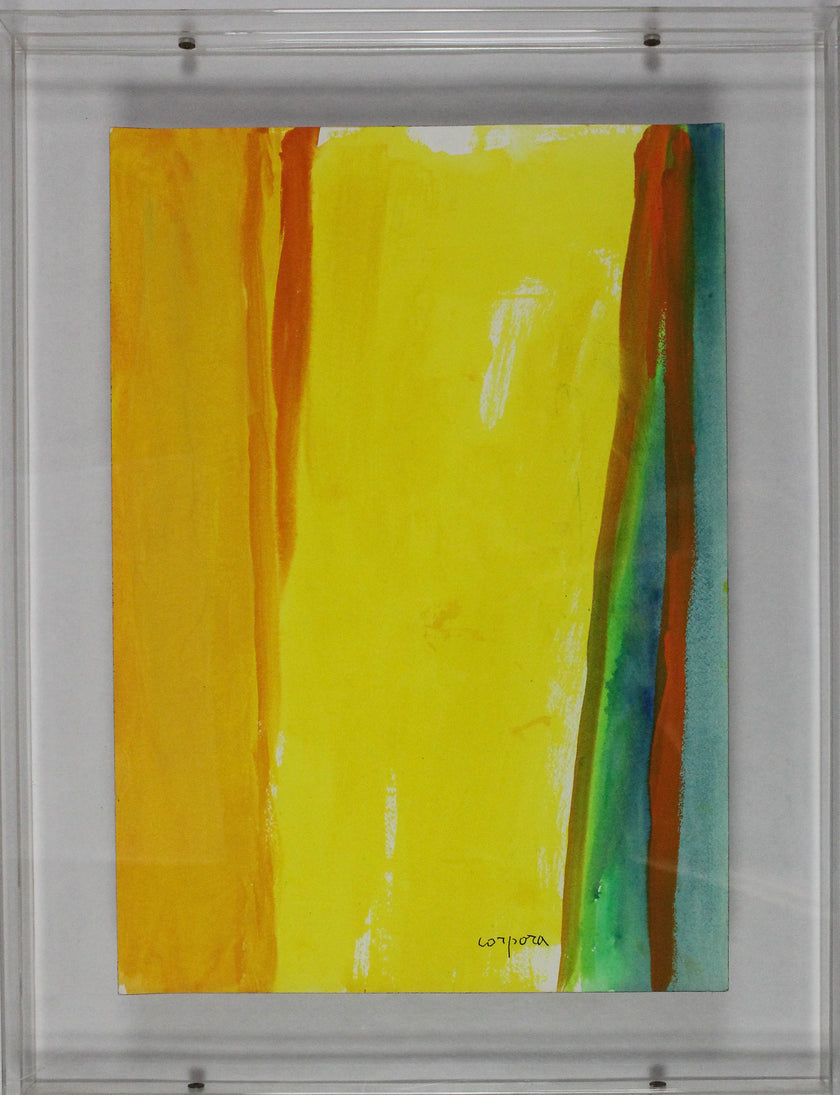
Water-based painting
Water-based techniques vary in transparency, coverage and fluidity. Gouache is typically opaque.
WatercolourTemperaGouache
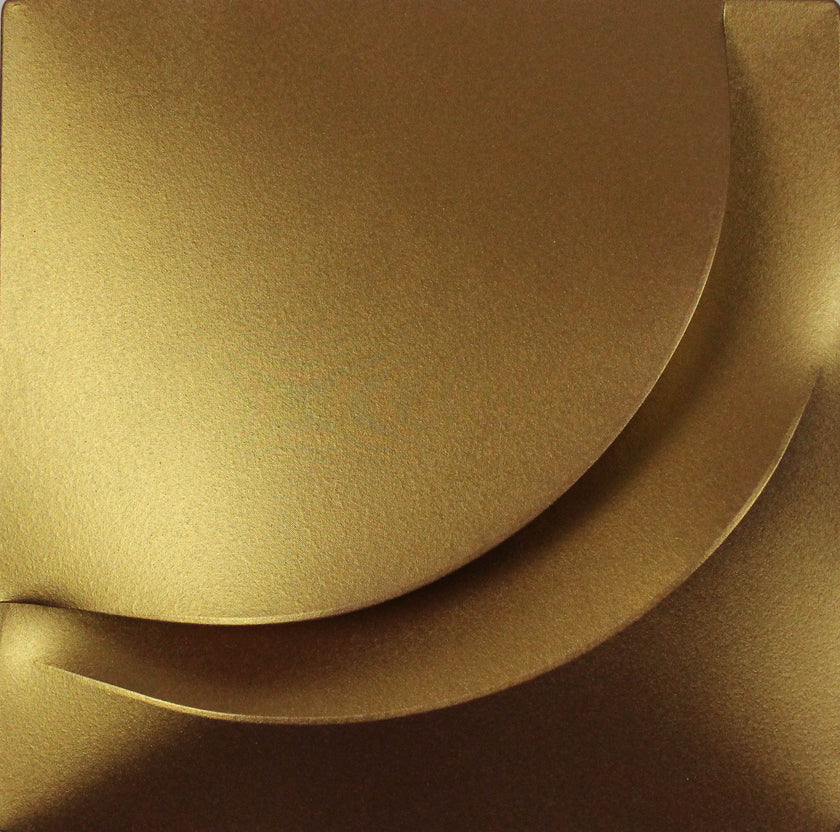
Painting with synthetic binders
Synthetic binders offer different finishes and ways of working. Acrylic can also be diluted with water.
AcrylicSynthetic enamel
Textured painting and mixed media
Paper, fabric, sand and three-dimensional elements can be combined with paint to transform the surface.
The painting as an original work
Through colour, material, light and composition an artist gives shape to a vision. From figuration to abstraction, an original painting records the artist’s creative choices.
Supports for painting
Canvas, wood panel, paper, board, hardboard and metal affect colour, texture and preservation. Identifying the support helps explain the process and assess condition.
What to look for
Signature
Assess the signature alongside the documentation.
Technique
Identify materials and processes that affect appearance and preservation.
Support
Check the nature and condition of the support.
Dating
Place the work within the artist’s career and historical context.
Catalogue raisonné
When available, it documents attribution and history.
Authenticity and provenance
Check provenance, certificates, exhibitions, publications and condition.
Our buying advice
- Verify the technique.
- Check signature and date where present.
- Assess the support and condition.
- Ask about restoration.
- Consider artistic context and period.
- Check provenance.
- Consult the catalogue raisonné if available.
- Request authenticity documentation.
Frequently asked questions
A guide to collecting paintings
Is a painting always unique?
An original painting is generally unique, although versions, replicas by the artist and works in series exist.
What are the main painting techniques?
Oil, watercolour, tempera, gouache, acrylic and mixed media differ in materials, binders and processes.
How is condition assessed?
Examine the support, painted surface, deterioration, repairs and conservation records. Consult a specialist when needed.
Does a painting have to be signed?
A signature can assist identification. It alone does not establish authenticity, and its absence does not rule it out.
How is authenticity verified?
Compare provenance, documentation, catalogue entries, materials and style. Consult the artist’s archive or a specialist where appropriate.
What determines a painting’s value?
Artist, period, quality, technique, condition, provenance, documentation and market all matter.