

Gianfranco Baruchello OPERE


Gianfranco Baruchello was born in Livorno on August 24, 1924 into a cultured and middle-class family: his father was a lawyer, university professor, and director of the Union of Industrialists, while his mother worked as a primary school teacher. After the war years, Baruchello graduated in Law and began a professional path in the industrial and economic sector, working from 1947 at Bombrini Parodi Delfino. During this time, he gained a solid understanding of production and financial mechanisms, which later deeply influenced his critical view of contemporary society.
Between 1949 and 1955, Baruchello founded and directed the chemical company Biomedica, an experience that ended when the artist decided to devote himself entirely to artistic and intellectual research. From the late 1950s, he definitively left the business world to focus on figurative art, writing, and conceptual experimentation. His stays in Paris brought him into contact with artists and critics such as Roberto Matta and Alain Jouffroy, strengthening his interest in the historical avant-gardes and in art capable of critically reflecting on reality.
In the early 1960s, Baruchello met key figures of twentieth-century culture such as Marcel Duchamp and John Cage, encounters that consolidated his idea of art as a mental process and as an open system. In 1962, he took part in the New Realists exhibition in New York, entering the international circuit permanently. In 1963, he opened his first solo exhibition at the La Tartaruga Gallery in Rome, developing an autonomous language made of fragments, micro-writings, and large white surfaces scattered with signs.
At the same time, Baruchello experimented with avant-garde cinema, making films such as Molla, Il grado zero del paesaggio, and Verifica incerta, considered one of the first examples of found footage in Europe. In 1973, he founded the Cornelia Farm, a project that united art, economy, and farming in a radical reflection on the relationship between man and land. In the following years, he started the project The Garden and in 1998 established the Baruchello Foundation in Rome. Over his long career, he received important recognitions, and in 2011 a major retrospective exhibition was dedicated to him at the National Gallery of Modern Art in Rome.
The production of Gianfranco Baruchello developed through an extraordinary variety of languages and media. His painted artworks, often large in size, are characterized by white surfaces populated by micro-figures, words, diagrams, and fragmented narratives that evoke an encyclopedic and mental dimension. Among the best-known cycles are the canvases of Other Traces, in which the artist reflected on the discomfort of modern man immersed in technology and consumerism.
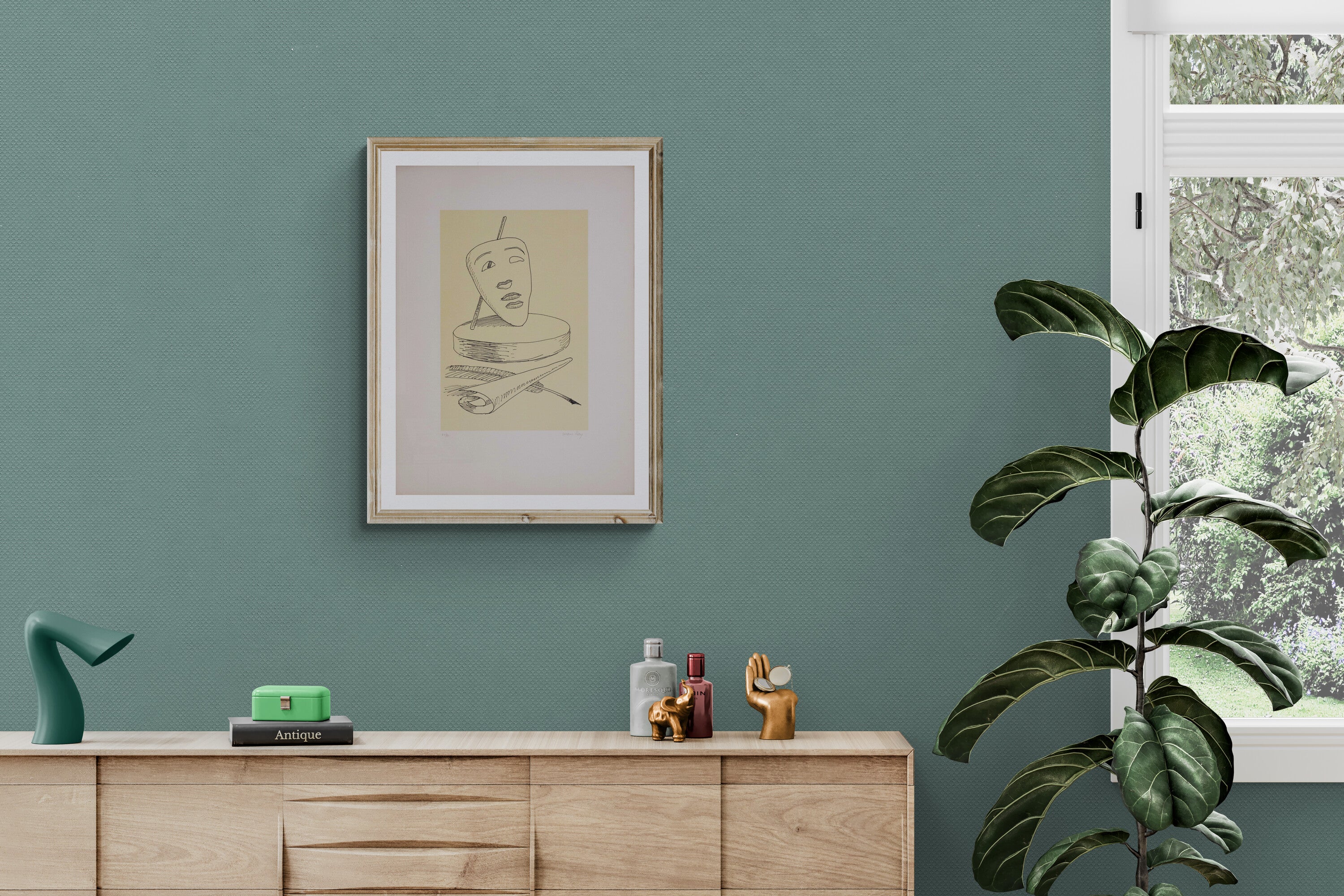
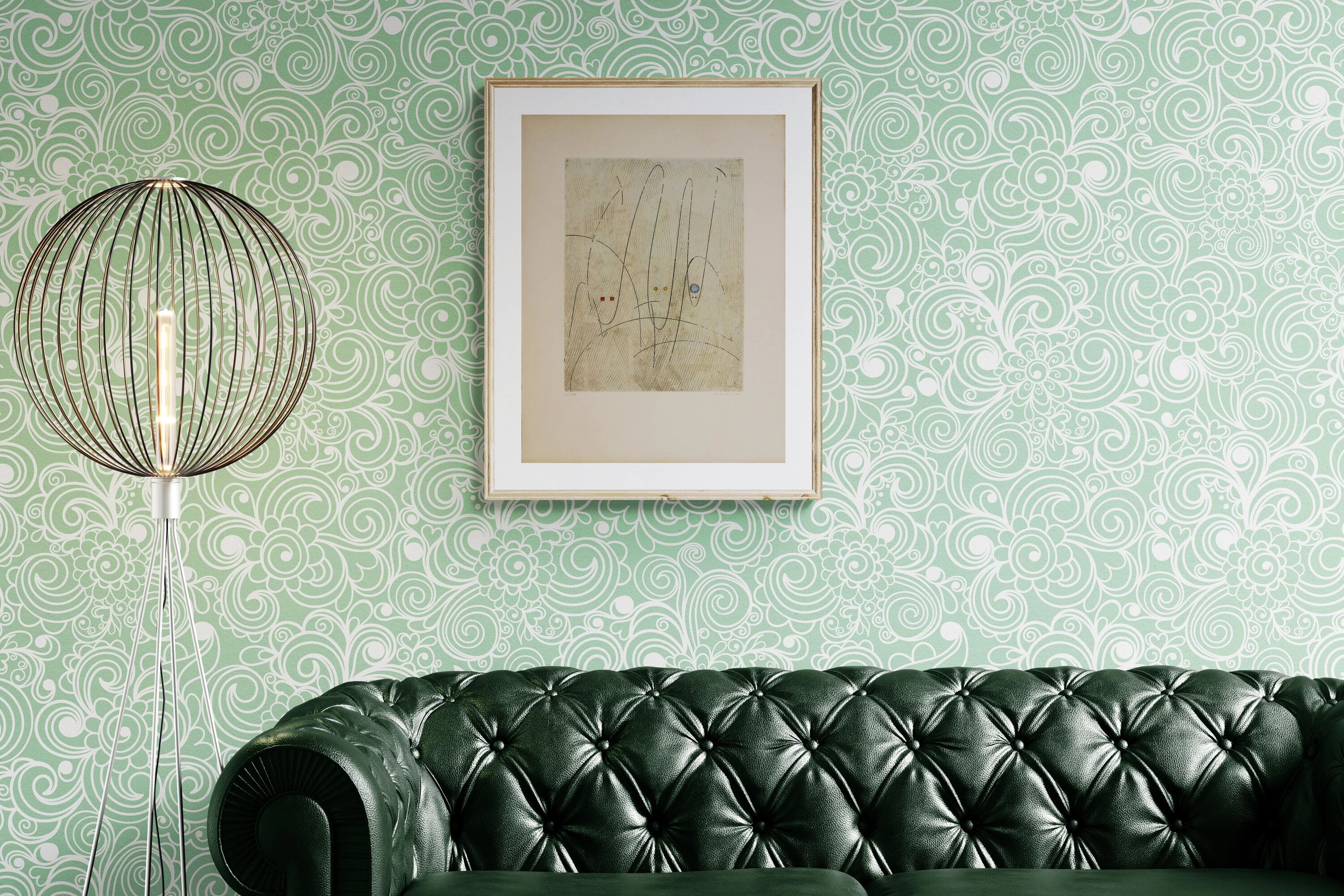
Alongside painting, Baruchello created assemblies, artist books, and film artworks, decisively contributing to the conceptual experimentation of the 1960s. His graphic production is also of great importance, including lithographs, silkscreens, and etchings, often conceived as an extension of his visual universe. These prints present the same density of signs and thought as the canvases, making his work accessible to a wider audience without giving up conceptual complexity.
Luigi Bartolini valuations
The valuations of Gianfranco Baruchello vary significantly depending on the type, period, and size of the artworks. The historic paintings from the 1960s and 1970s, especially the large conceptual canvases, reach market values that can exceed 100,000 euros, with higher peaks for museum pieces. The sculptures and assemblies, rarer, generally fall within a range between 40,000 and 80,000 euros.
The drawings and prints have more accessible valuations, while the graphics play a central role for collectors: lithographs and silkscreens typically range between 2,000 and 6,000 euros, while etchings, often more sought after, can reach slightly higher amounts. Overall, Baruchello’s market reflects the solidity of an artist now recognized at an international level.
Ti piace Gianfranco Baruchello?
Per ricevere gli ultimi aggiornamenti di questo artista, lascia la tua email qui sotto:Il tuo indirizzo email è stato aggiunto alla lista dell'artista.
