


Enrico Baj OPERE


Enrico Baj was born in Milan on October 31, 1924 and grew up in a family of technicians: his parents Angelo Baj and Maria Luisa Rastelli were engineers, and his mother stood out as one of the first women graduates from the Polytechnic University of Milan. Baj attended the Giovanni Berchet Classical High School and then enrolled in Medicine at the University of Milan, but after the war he changed course: he chose Law, completed his studies, and also worked as a lawyer, while simultaneously attending the Brera Academy, building a solid and unconventional artistic education, already open to experimentation. In 1951 he held his first solo exhibition at the San Fedele Gallery in Milan and in the same year founded with Sergio Dangelo the Nuclear Movement, which centers on the idea of a reality “disintegrated” by the atomic age and technology. In 1953, together with Asger Jorn, he founded the International Movement for an Imaginist Bauhaus, in protest against the programmatic rationality of the Ulm School; in 1954 the two created the International Ceramics Meetings in Albissola Marina at the Mazzotti Ceramics, involving artists such as Lucio Fontana and representatives of the European avant-garde. In the 1950s Baj collaborated with magazines such as Il Gesto, Boa, and Phases and intensified contacts with poets and intellectuals: he engaged with André Breton, Marcel Duchamp, Raymond Queneau, Edoardo Sanguineti, Umberto Eco, and others, and also created illustrations for editions of classical and modern texts. In 1957 he signed the manifesto Against Style and exhibited in London (Gallery One), while in 1959 he joined the Naples Manifesto. In 1962 he took part in New York in The Art of Assemblage, where he met Duchamp; between 1963 and 1966 he lived for a long time in Paris and joined the Collège de ’Pataphysique. In 1964 he was given a solo room at the Venice Biennale and also exhibited at the Milan Triennial, consolidating an international reputation. Alongside art, Baj cultivated writing and published books such as Pataphysics and Automythobiography, as well as popular and polemical texts on art. His research remains tied to an idea of freedom (“Imagino ergo sum”) and a continuous critique of the society of appearances: for this reason he uses everyday and “impure” materials such as fabrics, wood, plastic, and even plumbing pipes. Baj died in Vergiate on June 16, 2003.
In 2025 a room was inaugurated at the 20th Century Museum in Milan with some of his artworks, and the archive was preserved at the 20th Century Archive of Mart in Rovereto, a sign of a public presence that remains alive and studied today.
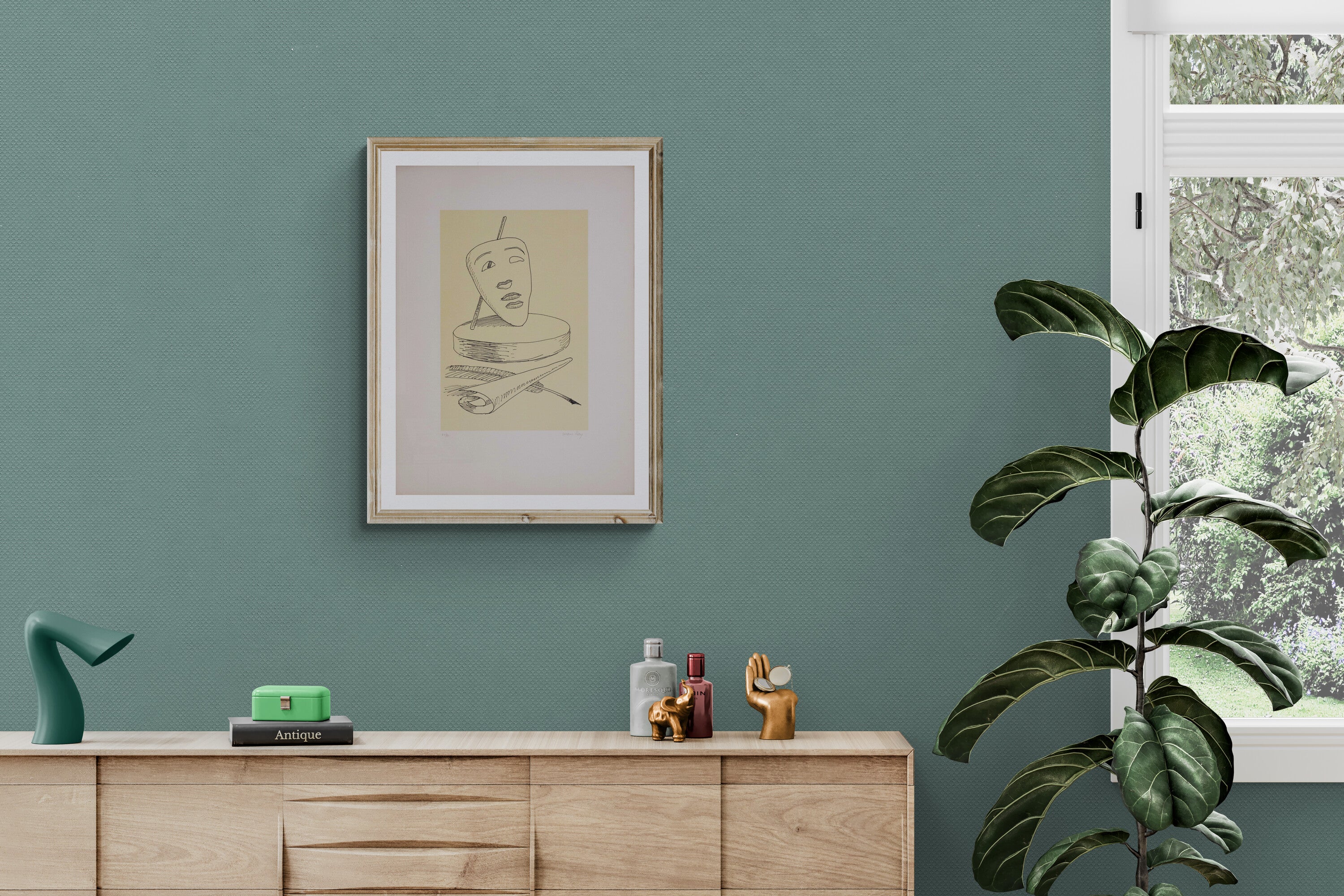
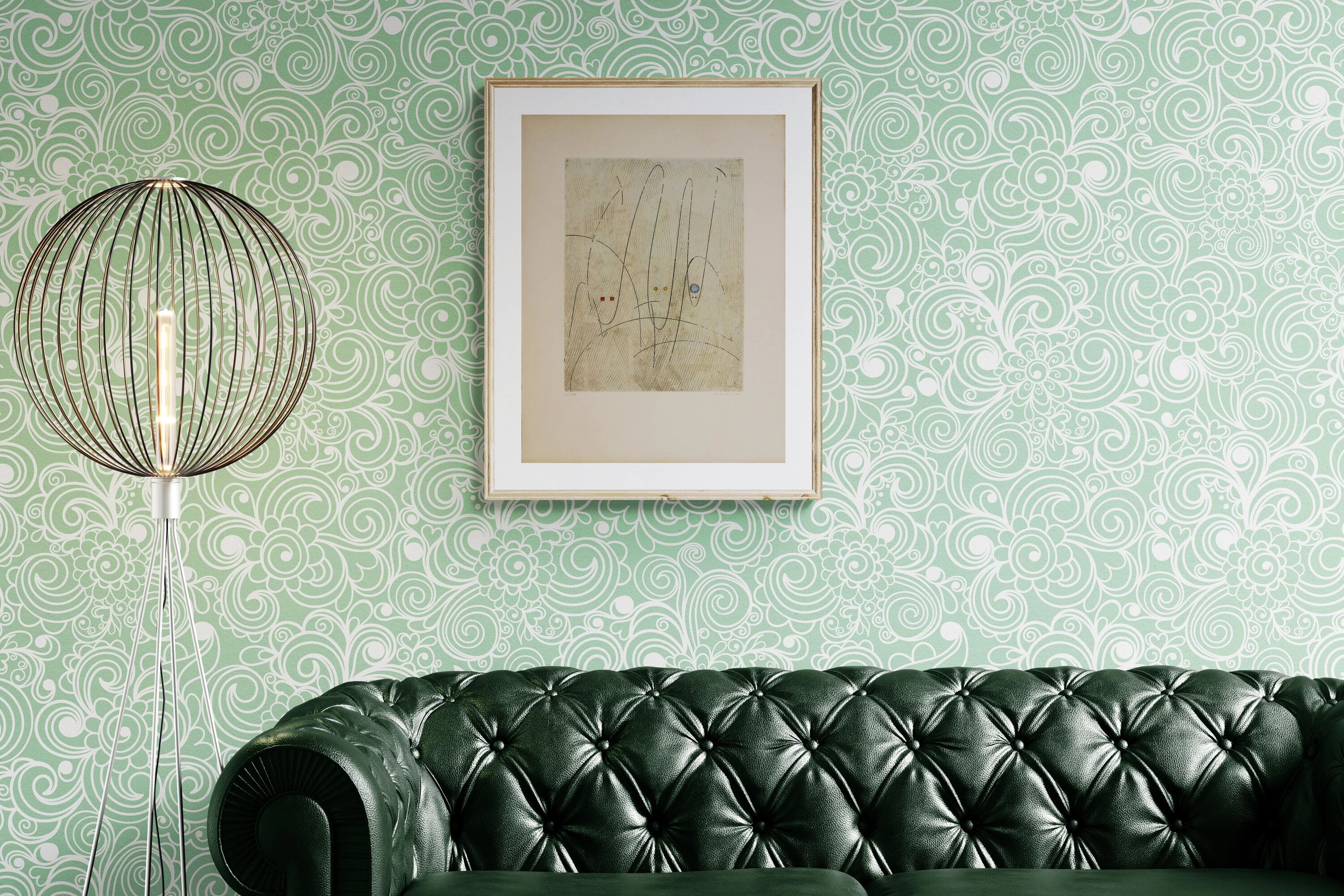
The artworks of Enrico Baj stage a grotesque and very clear world, built with collages, inlays, dripping, and polymaterial assemblages. Among the best-known series stand out the Generals and the Ladies, caricatured figures that transform uniforms, stripes, and decorations into a fierce satire of power and conformity; alongside these are Parades, Mirrors, Furniture, and Meccano, where everyday objects become poetic and critical devices. In the cycle of Modifications (1959-1960) Baj combines techniques and materials on a single surface, while in the Plastic Ties (1967-1968) plastic becomes a social and ironic symbol, a “mark” of modernity. The monumental artwork The Funeral of the Anarchist Pinelli (1972) takes on an almost theatrical structure and, with its procession of figures, becomes a civil warning against abuse and violence. The installation Apocalypse (1978-1979) presents a crowd of mocking silhouettes and demonic creatures, confirming the artist’s scenic vocation. Over time Baj also developed Mannequins, Tribal Masks, hydraulic sculptures, Totems, and small portraits such as the Guermantes, up to late cycles like the Stories of Gilgamesh. Alongside painting and sculpture, graphic production is central: Baj created lithographs, silkscreens, and etchings, as well as numerous illustrations for books, which expand his iconography and make his imagination accessible also in limited editions.
Enrico Baj valuations
The valuations of Enrico Baj vary greatly depending on period, size, quality of materials, origin, and presence of certifications (fundamental, especially for polymaterial works). In general, paintings and assemblages on canvas or board (especially if linked to historic cycles such as Generals and works from the 1950s-60s) often show auction values ranging from tens of thousands up to over 100,000 euros for large-format or particularly iconic copies. Sculptures and three-dimensional artworks (including ceramics and plastic works) more frequently range between 3,000 and 30,000 euros, with wide fluctuations for rarity and complexity. Drawings on paper often move between 500 and 5,000 euros, especially if signed and well dated. In the field of author graphics, signed and numbered lithographs are commonly found between 150 and 800 euros, silkscreens between 200 and 1,000 euros, while etchings can roughly range from 200 to 1,200 euros, with increases in the presence of low editions and excellent conservation: these are useful data for orientation, but every estimate always requires a precise comparison with the market and the condition of the artwork.
Ti piace Enrico Baj?
Per ricevere gli ultimi aggiornamenti di questo artista, lascia la tua email qui sotto:Il tuo indirizzo email è stato aggiunto alla lista dell'artista.
