

MAGNELLI Alberto


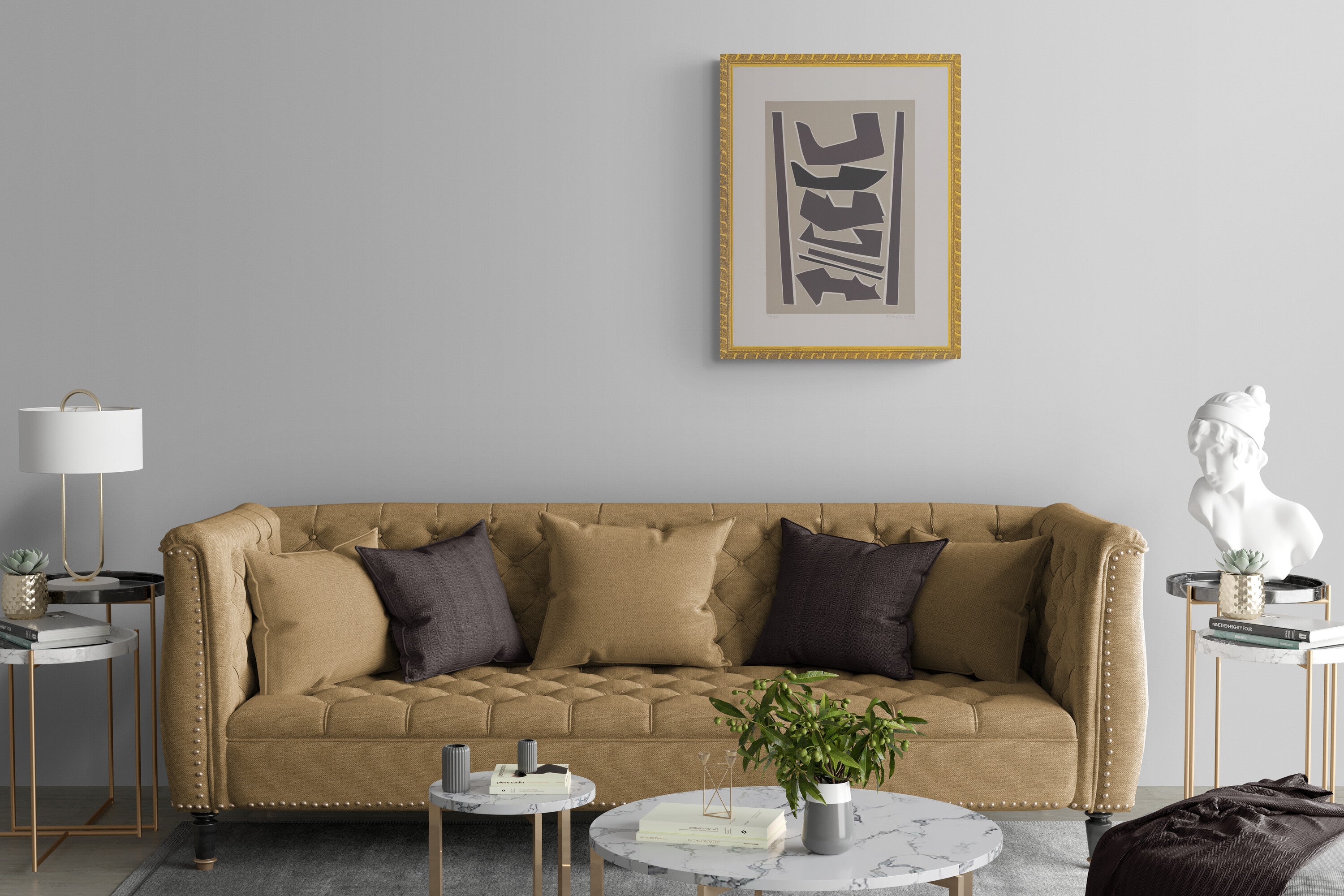
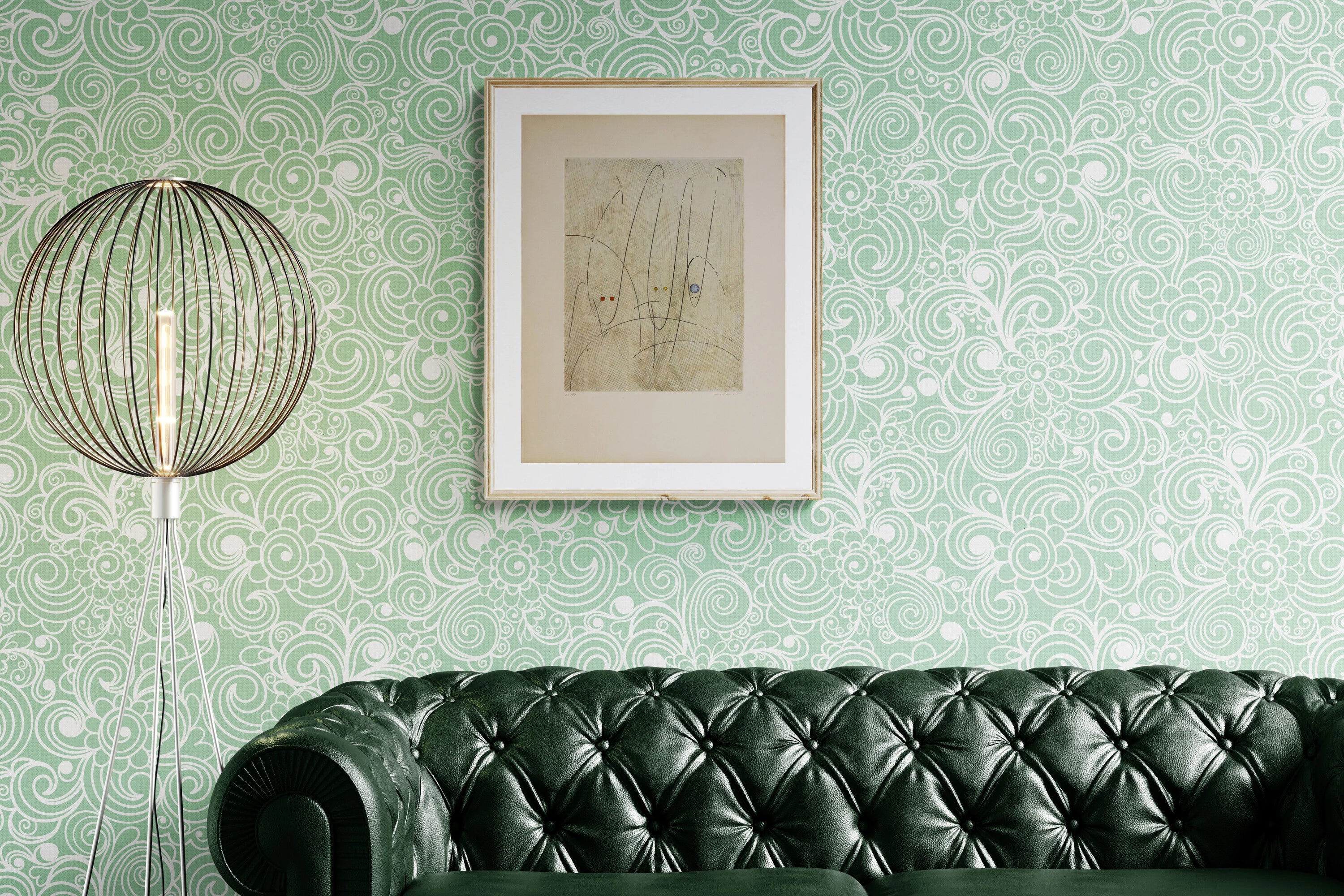
Alberto Magnelli (Florence, 1888 – Meudon, 1971) was among the artists who helped give European abstraction an autonomous language, capable of moving people without resorting to depicting a subject. His compositions are made up of forms that meet, overlap, or push apart, colors that gain strength through contrast, and spaces constructed with a precision that is never cold. LThe apparent simplicity of this vocabulary is the result of a complex journey in which figuration and abstraction do not exclude one another but feed into each other.
From the Tuscan tradition to the avant-garde
Magnelli was largely self-taught, closely studying the Tuscan masters of the 14th and 15th centuries. From those artworks he learned the value of construction, the balance between masses, and spatial clarity: qualities that would remain recognizable even in his paintings furthest removed from figuration. In Florence in the early 20th century, he frequented circles close to Futurism, without becoming a committed member. A stay in Paris in 1914 then brought him into contact with avant-garde explorations and with artists and intellectuals such as Picasso, Léger, and Apollinaire.
As early as 1915, he created abstract paintings, at a time when abandoning recognizable subject matter was still a radical choice. These early experiments are not mere geometric exercises: the forms seem to seek their own movement, while color helps organize their rhythm. In the lyrical explosions of 1918, the composition becomes more fragmented and dynamic. In the 1920s, Magnelli instead returned to figurative painting with a strong architectural structure. This seemingly contradictory shift reveals how important it was to him to keep exploring the structure of the image, regardless of whether it depicted real objects.
The “Stones” and abstract maturity
After moving to Paris in 1931, the “Stones” series marked a new transformation. The rocky forms offered a concrete starting point, but their weight, contours, and volumetric relationships were gradually translated into an autonomous pictorial construction. It is as though Magnelli found in natural matter a way to arrive, once again, at pure form. From the mid-1930s, his language turned more decisively toward abstraction: broad curves and straight segments, light and dark areas, compact surfaces, and measured intervals began to form an increasingly personal visual system.
The war years, spent partly in Grasse, in the south of France, were difficult but not unproductive. In dialogue with artists such as Hans Arp and the Delaunays, Magnelli continued to experiment, also working with collage and unusual supports such as slate. The question remained the same: how can a surface acquire depth, tension, and movement through the relationships between its elements alone? In the postwar years, this inquiry reached a particularly rigorous synthesis. A curve introduces a pause into a system of straight lines; one color seems to advance while the neighboring one recedes; a compact shape can appear light thanks to the space around it.
Drawings, collages, and graphic artworks make it possible to follow this inquiry beyond the canvas as well. With prints, however, it is necessary to distinguish between original prints, editorial reproductions, and later impressions by verifying the technique, publisher, any edition details, and catalogue references. L'The importance of Magnelli lies not in having invented an immutable abstract alphabet, but in having shown that shapes and colors can possess an emotional and poetic presence of their own. His artworks ask to be viewed slowly, following the relationships that hold them in balance.
Ti piace Alberto Magnelli?
Per ricevere gli ultimi aggiornamenti di questo artista, lascia la tua email qui sotto: