

SCIRPA Paolo


In the practice of Paolo Scirpa (Syracuse, 1934 – Milan, 2025), light is not merely what allows us to see a work: it becomes the material through which the work takes shape. A painter and experimenter with space, Scirpa developed a language in which neon, reflective surfaces, geometry, and perception work together to suggest seemingly infinite dimensions. His work spans drawing, graphic art, painting, and installation, while retaining a constant question: to what extent does what we see coincide with real space?
From painting to the exploration of light
Trained as an artist in Sicily, Scirpa deepened his knowledge of the European avant-garde in the 1960s, also spending time in Salzburg's graphic arts circles. In 1965, he took part in the Rome Quadriennale, and in 1968 he moved to Milan, where he would develop much of his practice and teach at the Brera Academy of Fine Arts. L's encounter with an environment open to kinetic, optical, and environmental art gradually shifted his interest from pictorial representation toward the viewer's direct experience.
The shift was not a simple abandonment of painting. Scirpa continued to question the surface and color, but began to consider the image as part of a more complex system, involving the position of the body, the movement of the gaze, and the physical properties of light. This context also includes works criticizing consumerism, such as Consumerist Megalopolis from 1972, which show an interest in contemporary society alongside perceptual experimentation.
The Ludoscopes and the illusion of infinity
The most recognizable series is the Ludoscopes, developed from the 1970s onward. By combining light sources and mirrors, the artist creates structures that seem to open up into depths far beyond their material limits. The device may be relatively compact, but the repetition of reflections creates the sensation of an endless tunnel of light. L's work thus calls into question an elementary certainty: the distance we perceive does not necessarily correspond to a distance that can actually be traveled.
The term itself suggests a playful element, but optical play leads to deeper questions. The luminous forms sometimes evoke an impossible architecture or a cosmic space; rigorous geometry coexists with an almost metaphysical suggestion. Scirpa does not simply amaze with a technical effect: he uses illusion to make visible the unstable nature of our perception. In environmental projects, this exploration also engages in a dialogue with architecture and public space.
Painting, graphics, and collectible artworks
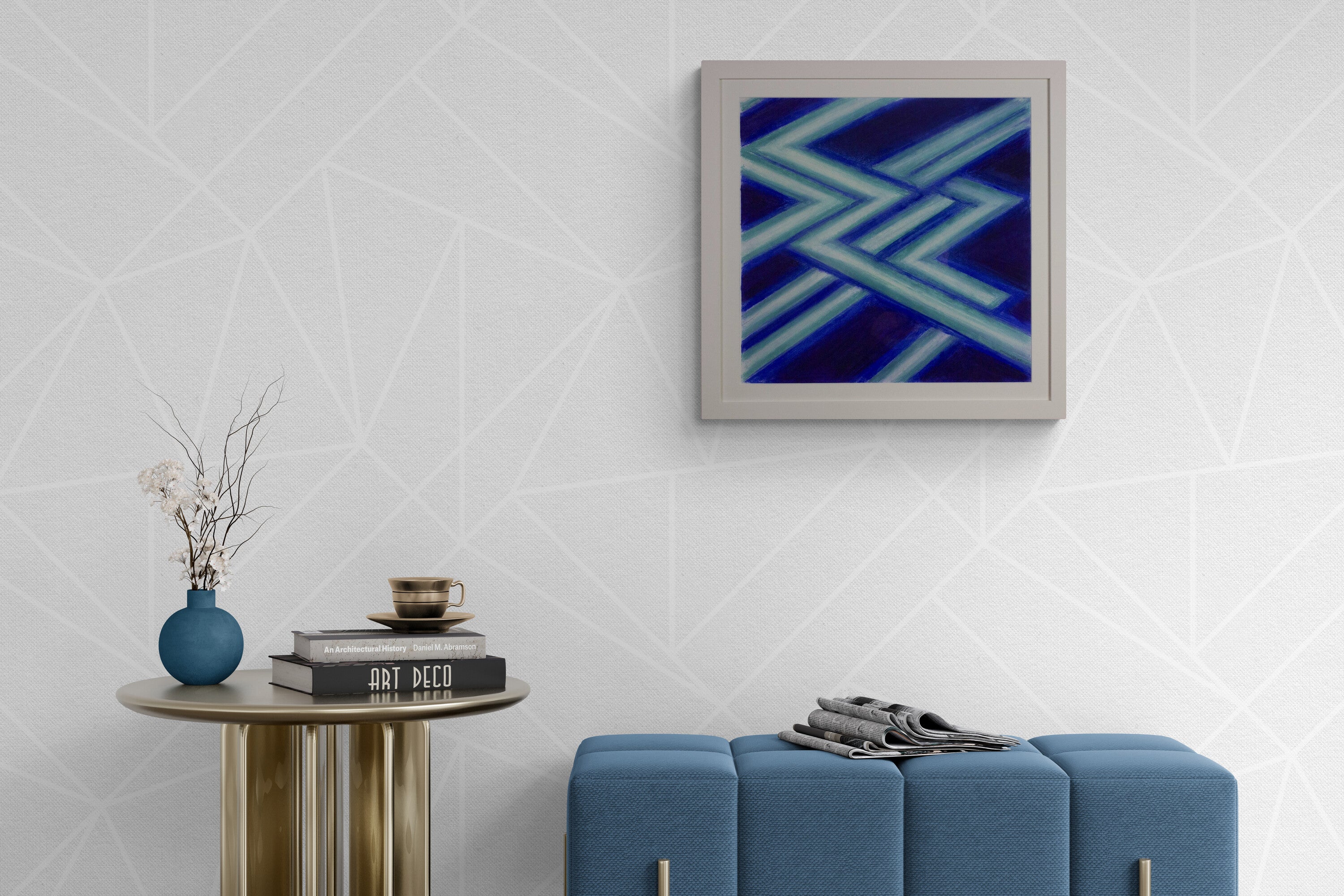
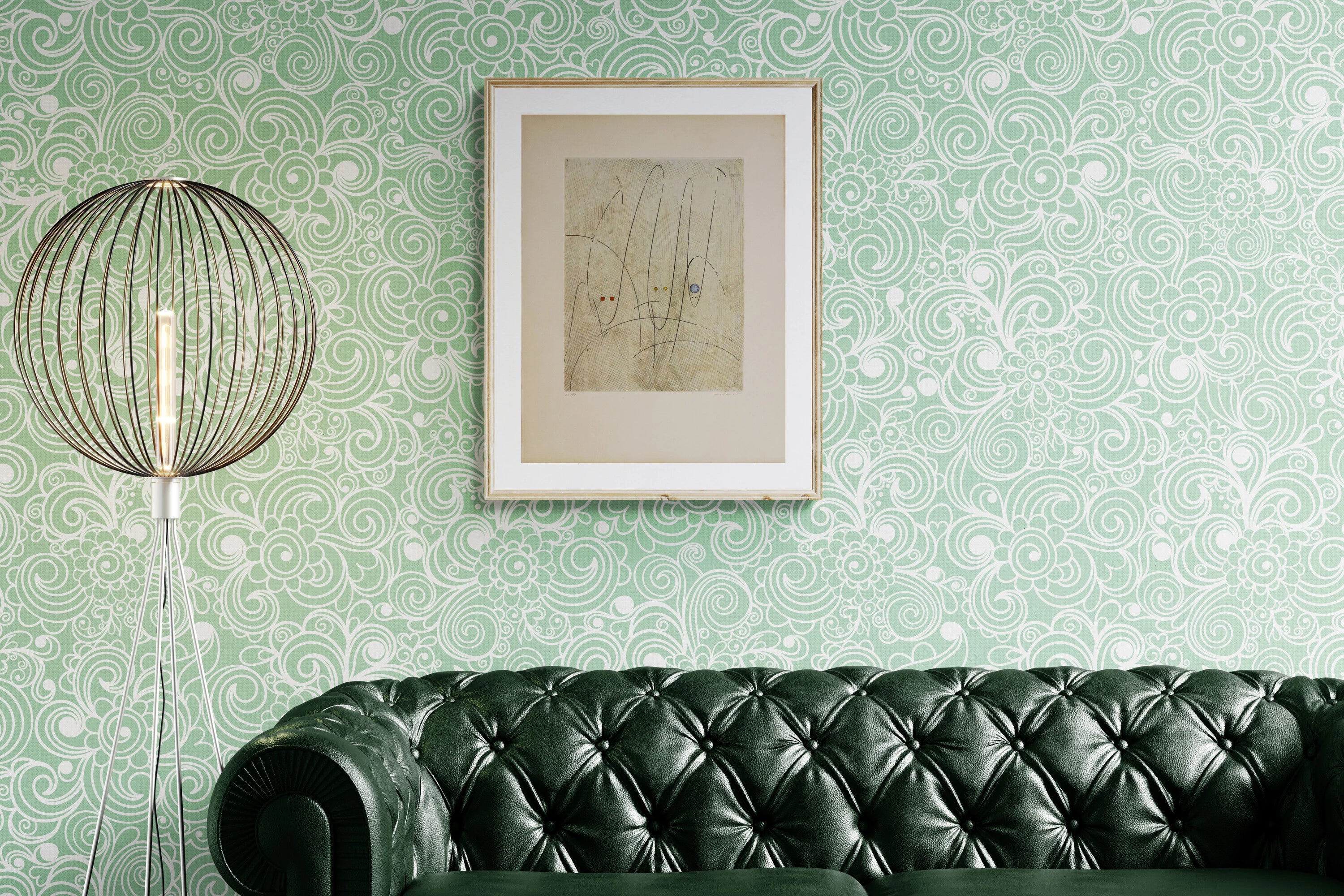
Two-dimensional artworks can also be interpreted in relation to the Ludoscopes. Concentric geometries, progressions, and color contrasts translate the idea of expansion and depth onto the surface, while the drawing retains the design precision required for the installations. In the prints, the relationship between areas of color and lines allows us to observe how an apparently simple structure can generate visual movement.
To catalog a work by Scirpa correctly, it is important to distinguish between an original work on paper, art print, project, multiple, and light device. Materials, electrical components, technique, signature, and any edition size require specific verification. His legacy lies in his ability to transform technological instruments into a poetic reflection on light: what seems like an optical experiment becomes a way of imagining infinity.
Ti piace Paolo Scirpa?
Per ricevere gli ultimi aggiornamenti di questo artista, lascia la tua email qui sotto: