

Giosetta Fioroni biography

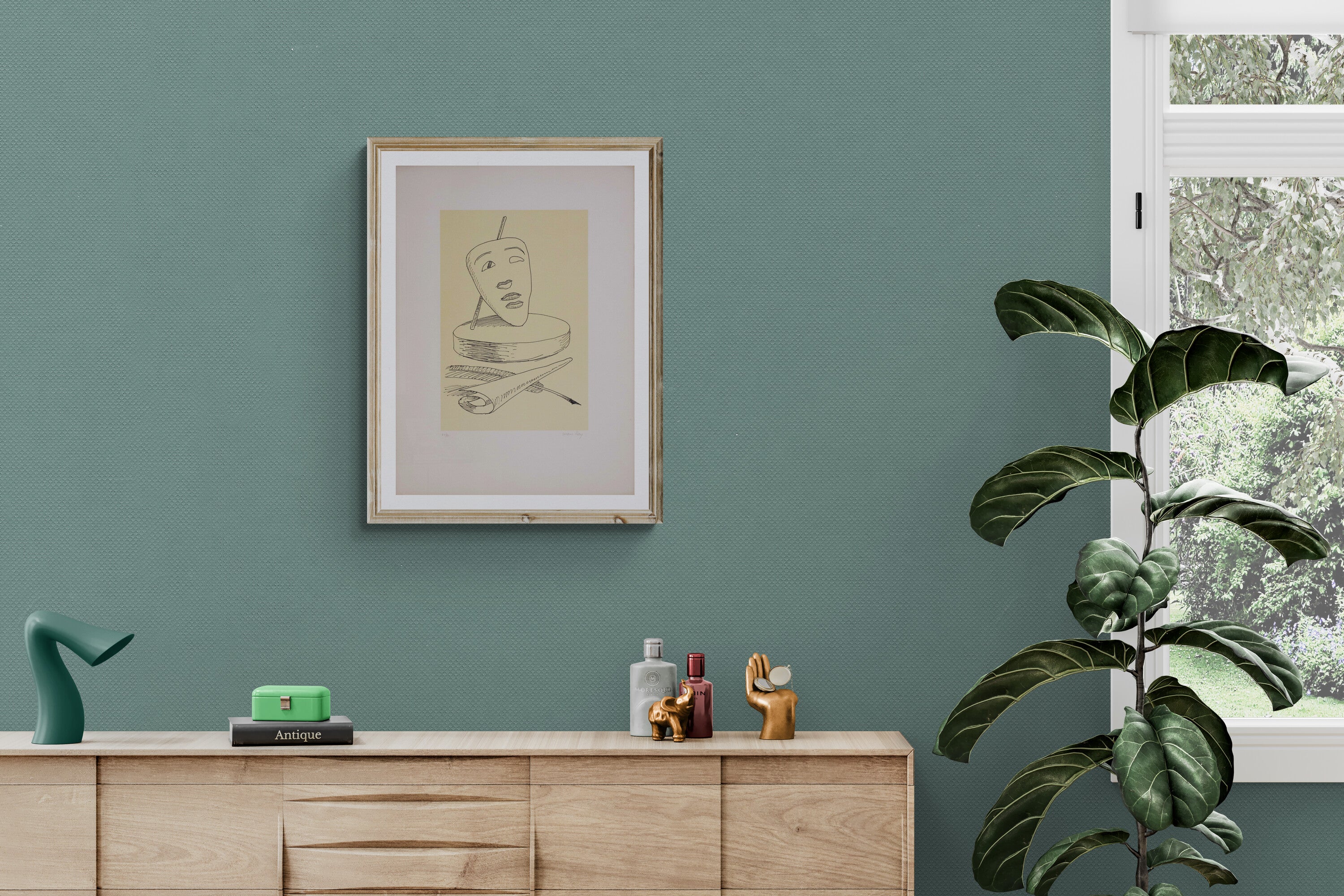
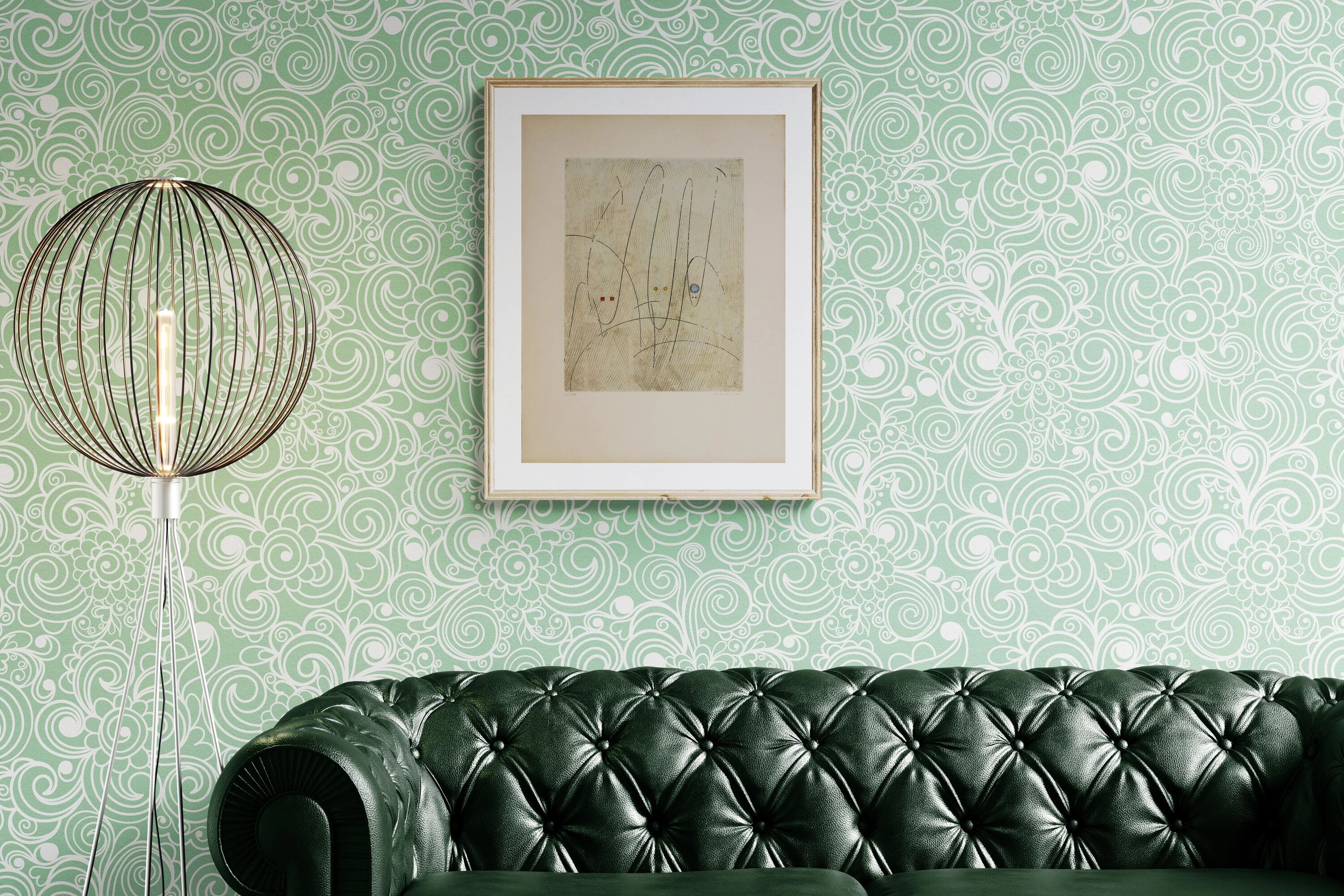
Giosetta Fioroni was an Italian painter born in Rome in 1932 into a family of artists. During her artistic research, she used various techniques including ceramics, tempera, and acrylic painting. Her works share the theme of childhood and explore in a pop key the human bonds and feelings, portraying the world in a visionary and abstract way. She studied at the Academy of Fine Arts in Rome, where she was a student of Toti Scialoja.
In 1955, Giosetta Fioroni exhibited at the VII Rome Quadriennale, while the following year she began attending the School of Piazza del Popolo with Tano Festa, Mario Schifano, and Franco Angeli. She participated in the XXVIII Venice Biennale, where she met Cy Twombly, Emilio Vedova, and the writer Germano Lombardi. She frequented the artistic environment linked to the La Tartaruga Gallery of Plinio De Martiis in Rome. During this period, Giosetta Fioroni's works were made with industrial colors, aluminum, and gold, characterized by the presence of signs, writings, symbols, and common objects such as hearts, lamps, and clocks.
Between 1958 and 1962, she stayed in Paris and, upon returning to Rome, began working on the cycle of Silver, whose subjects are mainly women.
In 1964, Giosetta Fioroni met the Venetian writer Goffredo Parise, who would become her life partner. During this period, the artist reworked details of images from art history, particularly from Botticelli, Carpaccio, and Martini. An example is the work Liberty, created in multiple versions.
Starting from the 1970s, she moved to Veneto with her partner. Inspired by nature, she created numerous cycles: The Country Wrecks, the Woodland Spirits, and the Cases. In the same years, she also created The Atlas of Forensic Medicine, an image archive of fatal accidents.
After the death of her partner in 1986, Giosetta Fioroni continued to dedicate herself to creating various works with a more introspective style. She also devoted herself to ceramics and continued to hold exhibitions in Italy and abroad.