

Mario Tozzi biography

Mario Tozzi, born on October 30, 1895, in Fossombrone, a district of Isola di Fano, in the province of Pesaro-Urbino, was a famous Italian painter. The eldest son in a family of five siblings, his father Giacinto Tommaso, a doctor, moved the family to Suna, on the Piedmontese shore of Lake Maggiore. After beginning studies in chemistry at the Cobianchi Institute in Intra, Mario abandoned this path to follow his artistic vocation, enrolling in 1913 at the Academy of Fine Arts of Bologna. Here he met artists of the caliber of Morandi and Licini and graduated in 1915.
During World War I, Mario Tozzi served as a volunteer and lost two brothers in the conflict. After being discharged in 1919, he married Marie Therèse Lemaire, a young French woman, and settled in Paris. In this city, he began his artistic career, exhibiting at the Salon des Artistes Indépendantes, the Salon d'Automne, and the Salon des Tuileries, where he was favorably noticed by critics. 1926 was a significant year for the artist, as he reunited with Licini and met other avant-garde Italian painters, such as Campigli, de Chirico and De Pisis. He also founded the Groupe des Sept (Group of Seven) together with these artists, later receiving the Legion of Honor from the French government.
Tozzi's connection to his native land is deep. In Suna, he spent much of his childhood and adolescence, during which he received his first box of colors from Miss Prescott, a family friend, and learned to paint from the painter Alfonso Muzii. The surrounding landscape became an inexhaustible source of inspiration for his works. Between 1923 and 1924, he created eight roundels for the church of Santa Lucia, and in 1951 he designed a monument to the fallen of the two world wars, built on the lakeside in front of the church.
Returning to Rome in 1936, Mario Tozzi devoted himself to fresco painting, creating important works such as the one for the Palace of Justice in Milan in 1938. He also participated in several editions of the Venice Biennale. The forties and fifties represented a period of little work and serious health problems for him, which however did not prevent him from exhibiting periodically.
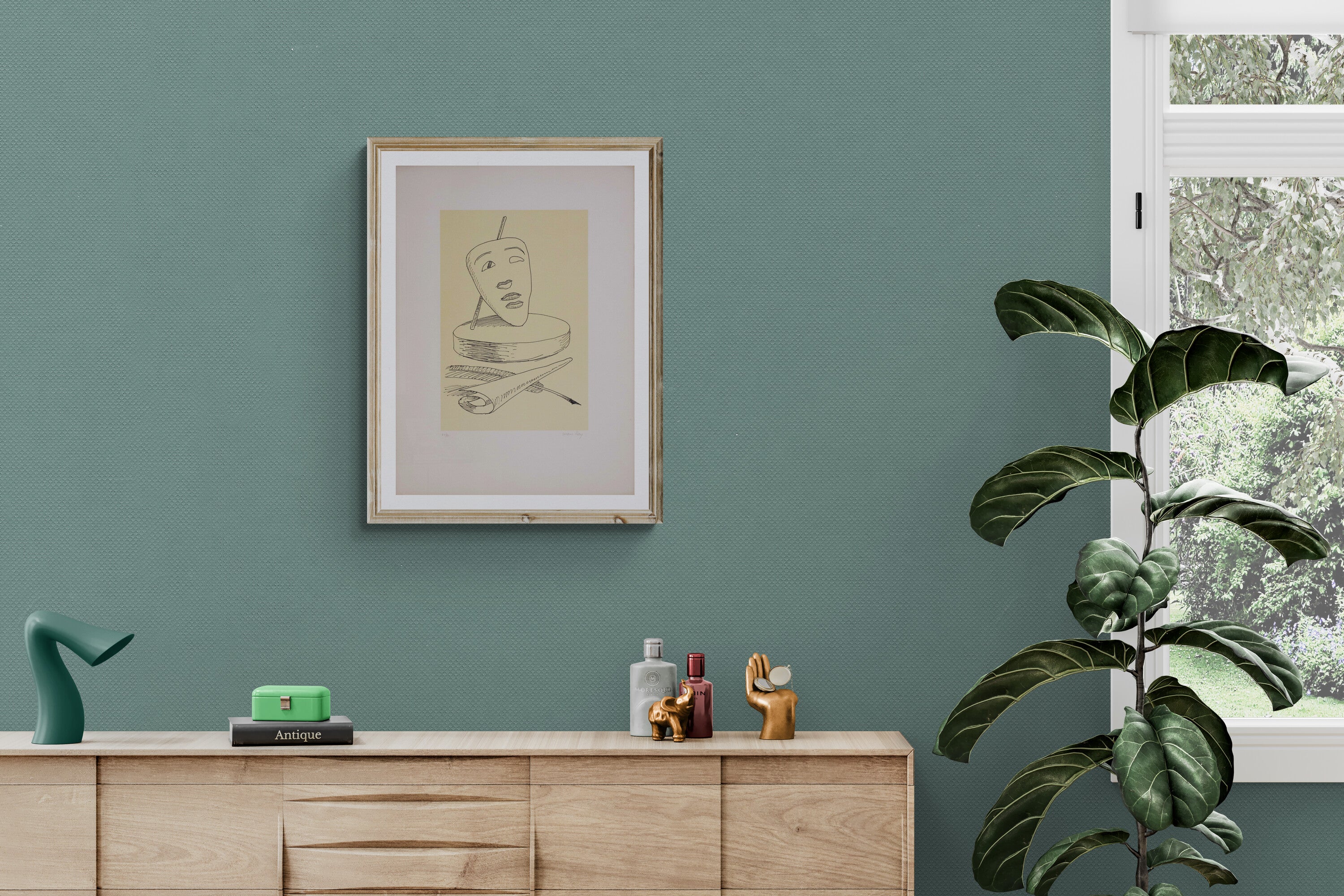
In 1958, Mario Tozzi exhibited again at the Galleria Annunciata di Milano and, in 1960, settled in the family home in Suna. Here he produced paintings characterized by "white backgrounds" and color lithographs depicting female heads.
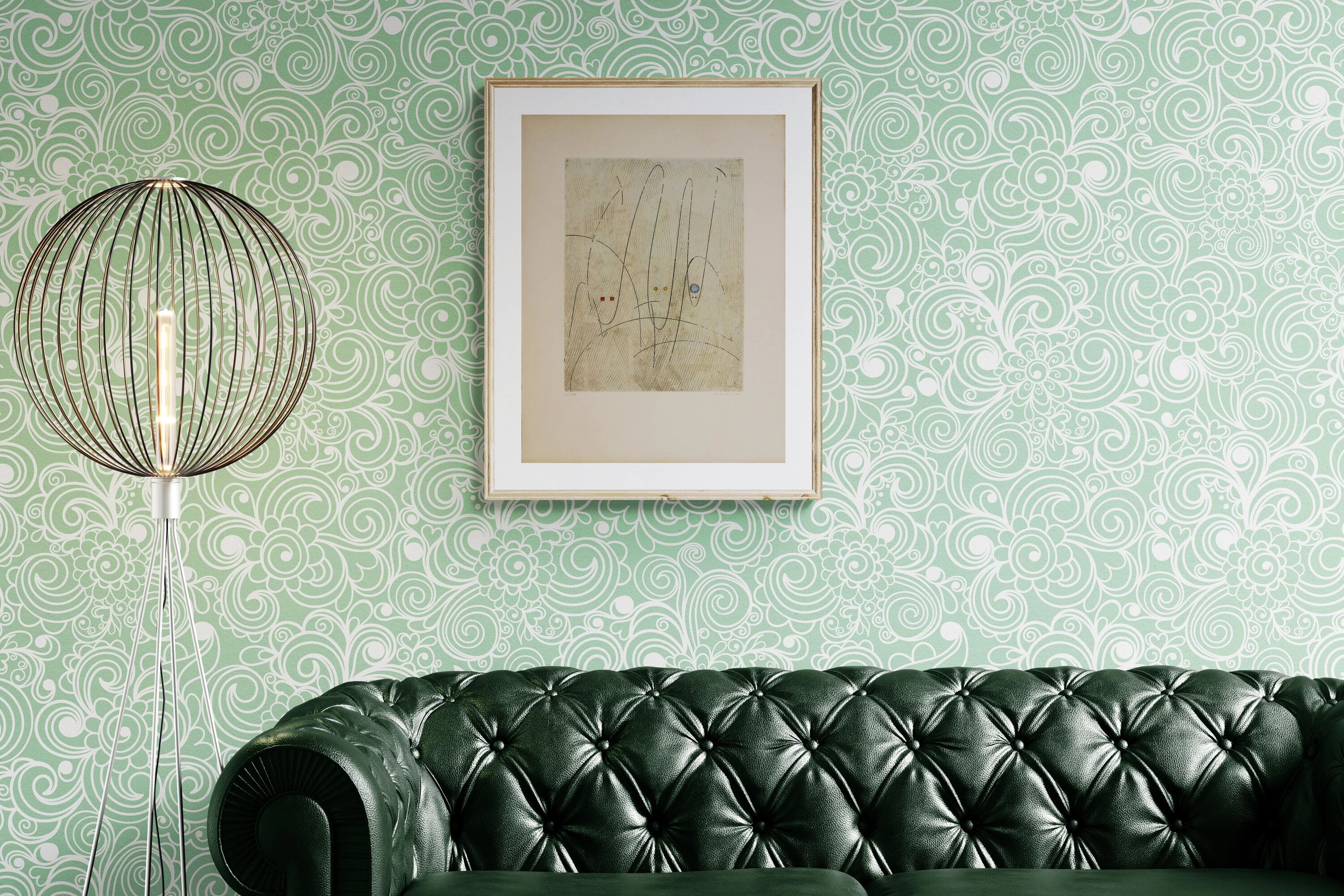
Tozzi's works reflect a modern interpretation of classical subjects, using solid geometric forms such as the sphere, cylinder, and cone. His compositions show influences of Cubism, Metaphysics, and Abstractism. In his painting, he favors the use of chiaroscuro and a dense mixture of pigments and binder.
In 1971, he returned to France to be close to his daughter and grandchildren, and died there in 1979. After his death, Mario Tozzi's artistic legacy continued to be recognized and celebrated. In 1988, Giorgio Mondadori Editore published the General Catalogue Raisonné of Mario Tozzi's paintings, curated by Marilena Pasquali in collaboration with his daughter Francesca Tozzi and the Tozzi Studio of Foiano della Chiana. In 2012, the Mario Tozzi Artistic Cultural Association was established, and in 2021, the Italian Ministry of Culture declared the Archive of Master Mario Tozzi to be of particularly important historical interest. Mario Tozzi leaves an indelible mark on the artistic landscape of the twentieth century, managing to blend tradition and innovation in a unique and distinctive balance.