


Emilio Vedova OPERE


Emilio Vedova (Venice, August 9, 1919 – Venice, October 25, 2006) was a protagonist of Italian art of the twentieth century, known as a painter, printmaker and a prominent figure in informal art. Precisely due to this intense activity, the Venetian artist developed a unique style, characterized by nervous signs, powerful gestures, and continuous experimentation. Vedova, who started as a self-taught artist, went through distinctive phases from black geometries to plural installations and collaborated with artists like Luigi Nono. His artwork remains fundamental to understanding modern Italian painting.
Emilio Vedova painter
Emilio Vedova as a painter deeply marked the Italian avant-garde of the postwar period. Self-taught and self-determined, Vedova trained by drawing sketches during travels, drawing from Venetian roots like Tintoretto and Guardi, and the human power of Rembrandt and Goya. His painting path took shape with rapid nervous brushstrokes and broken lines, which became the recognizable language of his art. In the early years, influenced by the Corrente group and active in the Resistance, he began to deform the figure to convey emotion and protest: artworks like Assault on the Prisons and Village Fire show this lyrical tension between the real and the inner.
In the 1950s, his role as a painter was consolidated with cycles like Clash of Situations, Protest Cycle, and Nature Cycles, in which informal gesturality and political commitment are inseparable. The so-called “black geometries,” shown in New York in 1951, display paintings built through tight grids, almost visual traps, from which a free and dramatic gesturality later emerged. Subsequently, the painter joined the Group of Eight, evolving towards a visceral abstraction in which sign and matter become pure expressive impulse.
Between the late 1950s and the 1960s, his paintings go beyond the frame: the Plurimi invade the exhibition space, showing themselves from multiple sides and transforming the viewer from a passive observer to an active participant. Achille Bonito Oliva described those works as a true “theatricalization of pictorial planes.” In this way, Emilio Vedova is not only the author of paintings but also of environments, scenes, gestures suspended between painting and sculpture.
Thus emerges an unmistakable Vedova: an artist who imprints movement, rhythm, tension in his paintings, and who unites politics, gesture, and matter. “Now I will no longer worry about cutting clear profiles…” said the artist himself, reaffirming his search for a light and shadow arising from the intimate, without revisionism. This internal aspiration is visible in every canvas, every gesture, making Vedova’s artwork an active experience for those who observe it.
Emilio Vedova valuations
When talking about Emilio Vedova’s valuations, the market shows clear differences depending on the type of artwork. Paintings on canvas represent the highest value range: for historic canvases from the 1950s and 1960s, sales normally range between €50,000 and €250,000, with records exceeding €700,000 at international auctions such as Christie’s. These are central works to understand the artist’s evolution, highly sought after by collectors and institutions.
The situation is different for drawings and prints, which offer a more “contained” access to Vedova’s market: here prices generally move between €3,000 and €15,000, with higher peaks for particularly old sheets, published or linked to the most famous cycles. For example, in July 2025 a print from the Clash of Situations cycle was sold for about €11,500, confirming the solidity of this segment.
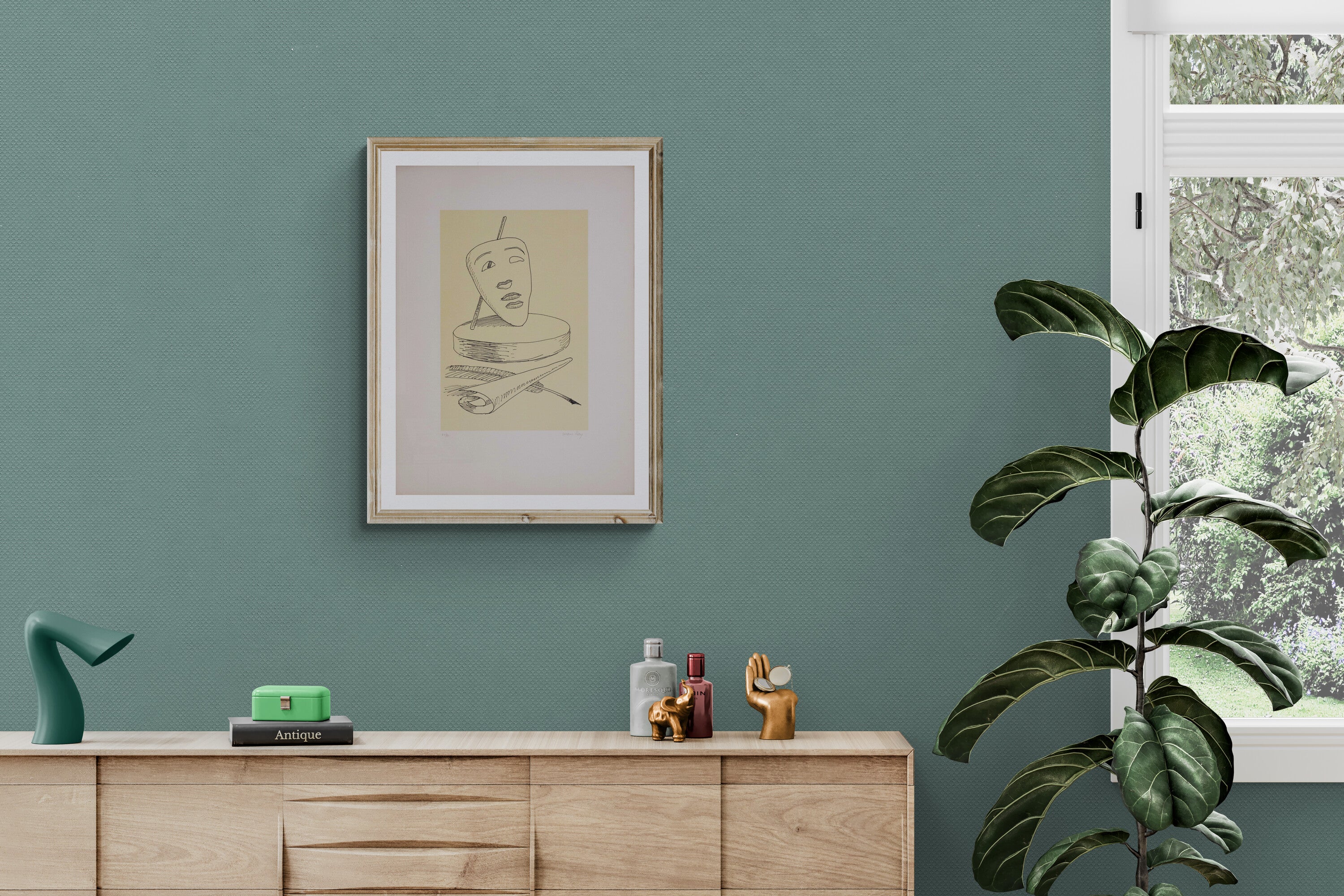
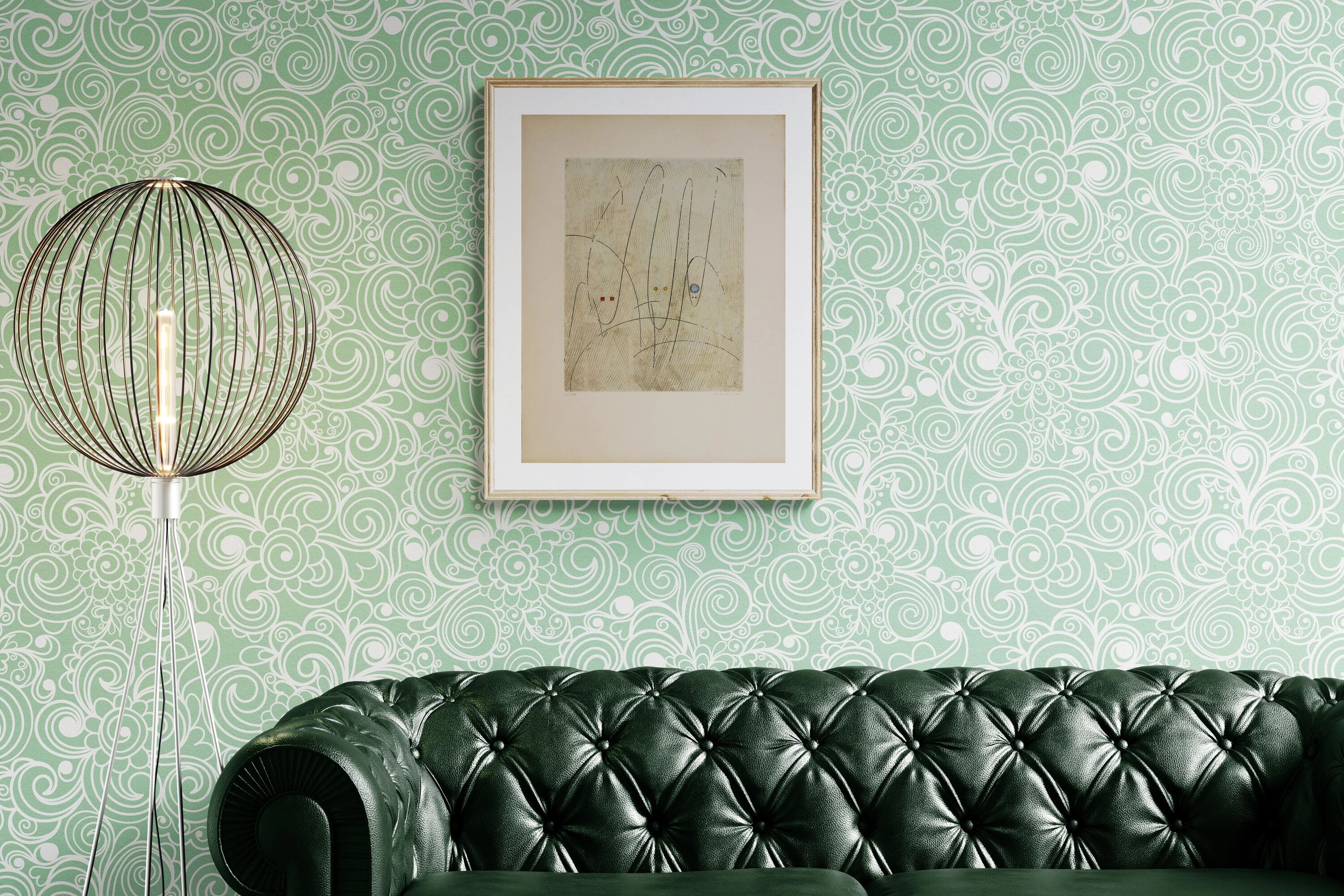
Finally, lithographs and etchings constitute the most accessible part, but even here there is a significant range. Standard editions, signed and numbered, are often auctioned between €400 and €1,200, but there are more complex and larger editions, such as triptychs or experimental graphics on wood and perspex, which easily reach €1,500–€2,500 and sometimes beyond.
Ti piace Emilio Vedova?
Per ricevere gli ultimi aggiornamenti di questo artista, lascia la tua email qui sotto:Il tuo indirizzo email è stato aggiunto alla lista dell'artista.
