

LICATA Riccardo


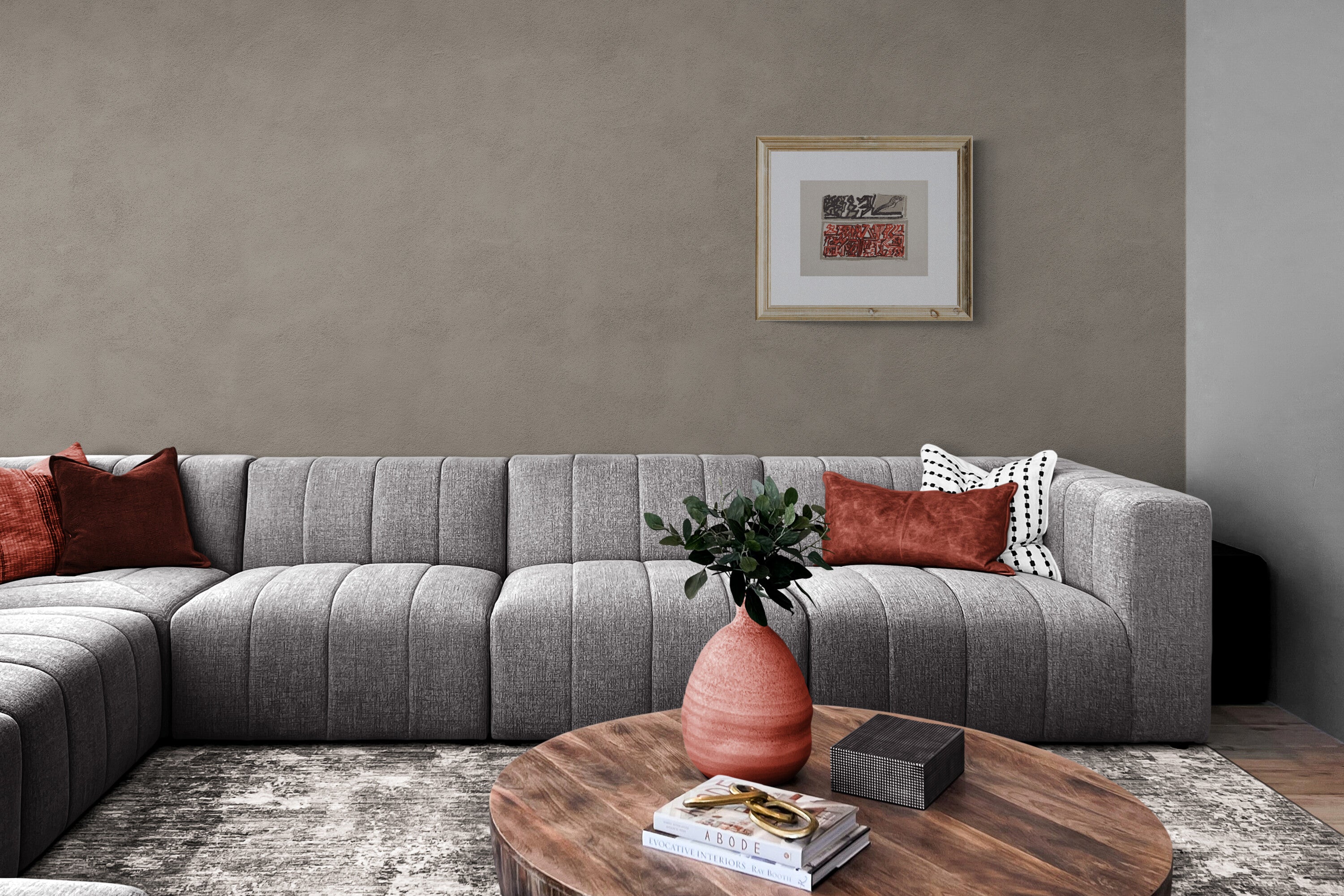
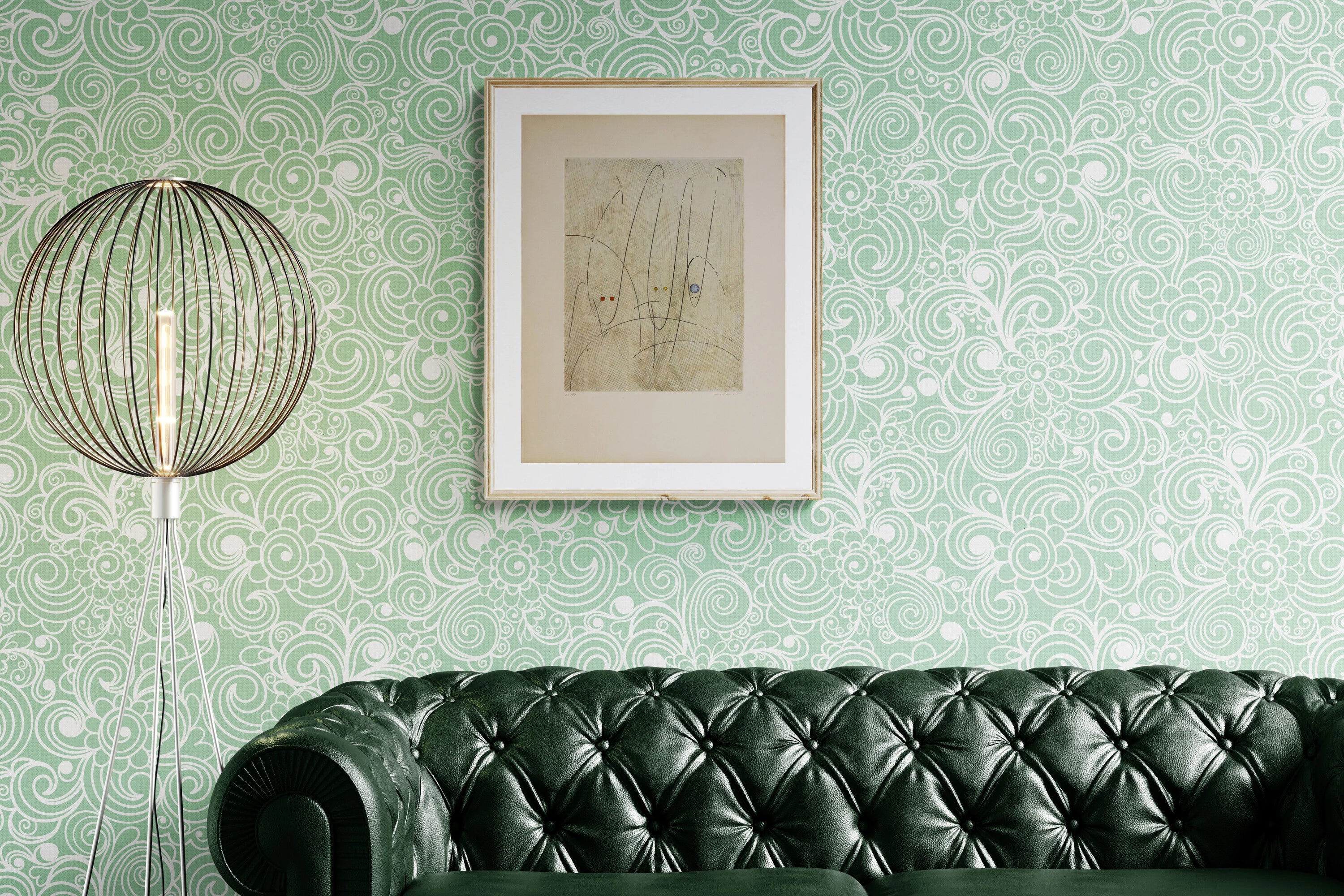
The artworks of Riccardo Licata (Turin, 1929 – Venice, 2014) often look like pages written in an unknown language. Small marks, letter-like forms, and symbols follow one another across the surface, creating rhythms reminiscent of a musical score. Yet there is no message to translate word for word: meaning arises from pauses, repetitions, color variations, and the way the elements relate to one another. This visual writing is the most recognizable feature of a practice spanning painting, mosaic, printmaking, and other techniques without losing its identity.
Venice and the birth of an alphabet
After spending his childhood in different cities, Licata settled in Venice after the war and attended the Art High School and the Academy of Fine Arts. The city offered a particularly fertile environment: alongside its traditions of color and mosaic were the contemporary works presented at the Biennale, which fueled debate about moving beyond traditional figuration. L's interest in the Bauhaus and in the constructive possibilities of abstraction helped guide his research toward a language in which the mark does not describe an object, but organizes space.
Over time, this visual vocabulary becomes increasingly personal. The forms may be arranged in almost orderly rows or move freely, as if following an inner rhythm. Some recall letters, while others seem like fragments of archaic symbols, but their power does not depend on being identifiable. It is the relationship between one mark and another that creates tension and harmony. The areas of color, sometimes transparent and delicate, sometimes denser, support this structure without resorting to traditional perspective. Looking at a painting by Licata means following a succession of accents, much as one would listen to a musical composition.
Mosaic as a way of thinking about the surface
Mosaic plays a decisive role in his artistic journey and should not be considered a mere decorative application of painting. Building with separate tesserae requires thinking in terms of intervals, directions, and color relationships: each element gains meaning in relation to those nearby. As early as the 1950s, Licata presented mosaic works at major exhibitions, including the Venice Biennale. L's experience with mosaic also leaves deep traces in his paintings, where the surface can appear organized as a set of rhythmic units.
This sensibility extends to painted glass, tapestries and other material explorations. It is not so much the material itself that determines the work, but how it allows the mark to appear, pause and resume. The continuity between different techniques reveals the strength of his research: visual writing does not belong to any particular support, but is a compositional principle that can adapt to different scales and surfaces.
Engraving, teaching and international research
Licata has devoted himself to printmaking since the 1950s, finding in engraving a particularly suitable field for experimenting with his own alphabet. The incised mark may be fine, gouged, superimposed or repeated; color can introduce new relationships between forms. The focus demanded by the sheet often makes the inner structure of his compositions more apparent. For this reason, prints are not merely reduced versions of the paintings, but artworks in which the artist’s language engages with the specific possibilities of the matrix.
His work also develops in France, where he teaches mosaic and takes part in an international artistic scene. Over the decades, he changes supports and formats, while maintaining a constant interest in the encounter between mark, color and memory. When cataloguing his prints, it is important to distinguish the techniques actually documented — such as etching, aquatint, lithography or screenprint — without attributing them generically to every example. The most enduring quality of his work remains its ability to transform the surface into a place for the eye to explore: a set of marks that cannot be read literally, but suggest the rhythm of an imaginary language.
Ti piace Riccardo Licata?
Per ricevere gli ultimi aggiornamenti di questo artista, lascia la tua email qui sotto: