

EMPRIN Giuliano


The painting of Giuliano Emprin develops within the tradition of twentieth-century Piedmontese landscape painting, with a constant focus on light, atmosphere, and the balanced composition of the image. His career, rooted in Turin’s cultural milieu, bears witness to the vitality of Italian figurative art in years also marked by profound avant-garde experimentation.
From training to his Turin debut
Giuliano Emprin was born in Turin on April 21, 1902. After earning a law degree, he decides to devote himself to painting. From 1924 onward, he focuses his activity on artistic research. For a short time, he attends the studio of painter Agostino Bosia, coming into contact with the Turin figurative art scene. His training develops primarily through the practice of painting and engagement with the region's artistic tradition.
In 1929, Emprin exhibits for the first time at the Society for the Promotion of Fine Arts of Turin. From then on, he participates regularly in events organized by the Society. He also exhibits at the Turin Artists' Circle, an important local cultural institution. Lhis exhibition activity helps establish him in the Piedmontese art scene. His work is particularly appreciated in the field of landscape painting.
Landscape painting
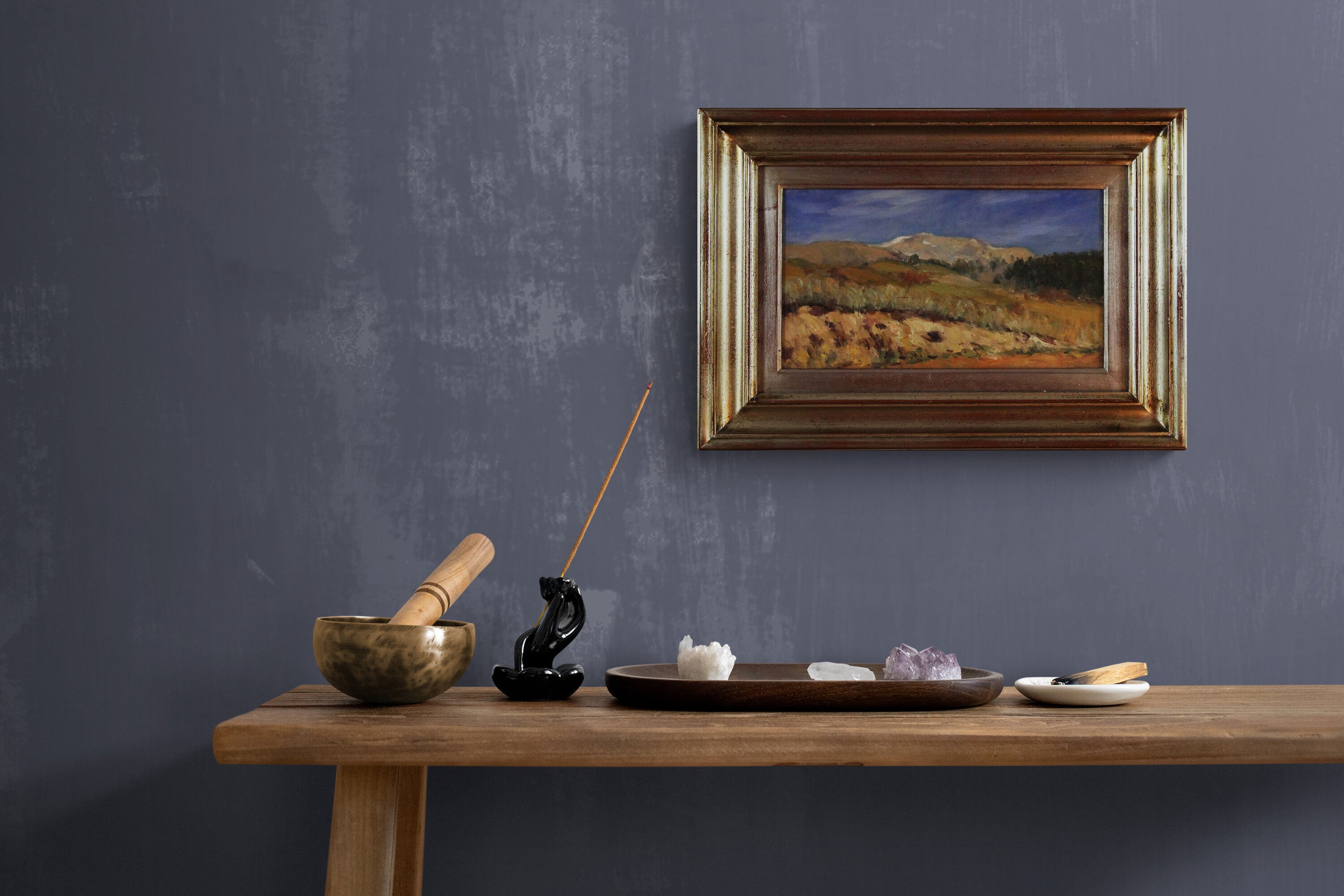
Landscape is the central theme of Emprin's work. Lthe artist engages with the representation of nature and places through a sensibility attuned to light and atmosphere. The compositions maintain a recognizable connection with reality. Lthe interest is not limited to describing natural elements. The arrangement of forms and color relationships contribute to creating a balanced image. His painting belongs to the twentieth-century Italian figurative tradition, with particular reference to the Piedmontese milieu.
Emprin's Turin training and participation in regional artistic life help shape his career. Landscape becomes a subject through which to observe changes in light and atmospheric conditions. Lthe artist approaches nature as a reality to be interpreted through painting. The composition of the image requires a balance between direct observation and compositional organization. This interest explains Emprin's sustained dedication to landscape painting.
In 1931, Emprin takes part in the 1st Rome Quadrennial. He also exhibits at the Venice Biennales of 1936 and 1950. His career includes participation in exhibitions held in Florence, Naples and Milan. In 1937, he takes part in the Exhibition of Italian Landscape Abroad, presented in several European cities, including Riga, Kaunas, Tallinn, Helsinki and Warsaw. These events attest to the recognition his work received in the field of Italian figurative painting.
Exhibitions and awards
Emprin organized several solo exhibitions in Turin. Exhibitions are documented in 1932, 1936, 1945, 1953 and 1958. The continuity of these solo shows confirms his connection with the public and the city's artistic community. Landscape painting remained the main focus of his work.
Over the course of his career, Emprin received numerous awards. These include the Avondo Prize in 1931, the Albarello Prize in 1932 and 1938, and the Fine Arts Syndicate Prize in 1933. In 1939, he received recognition associated with the Ministry of Corporations and the Ministry of National Education. In 1951, he received the Sidinec Golden Spool Prize. In 1958, he received the City of Cuneo Prize. The awards mainly attest to the appreciation for his work as a landscape painter.
Artworks, techniques and legacy
Paintings by Emprin are documented in the collections of the Museum of Modern Art of Turin. The artworks mentioned in the biographical documentation include Maccagno Inferiore and Landscape. Other works are held in private collections in Italy and abroad. This circulation attests to the recognition his painting received during his career.
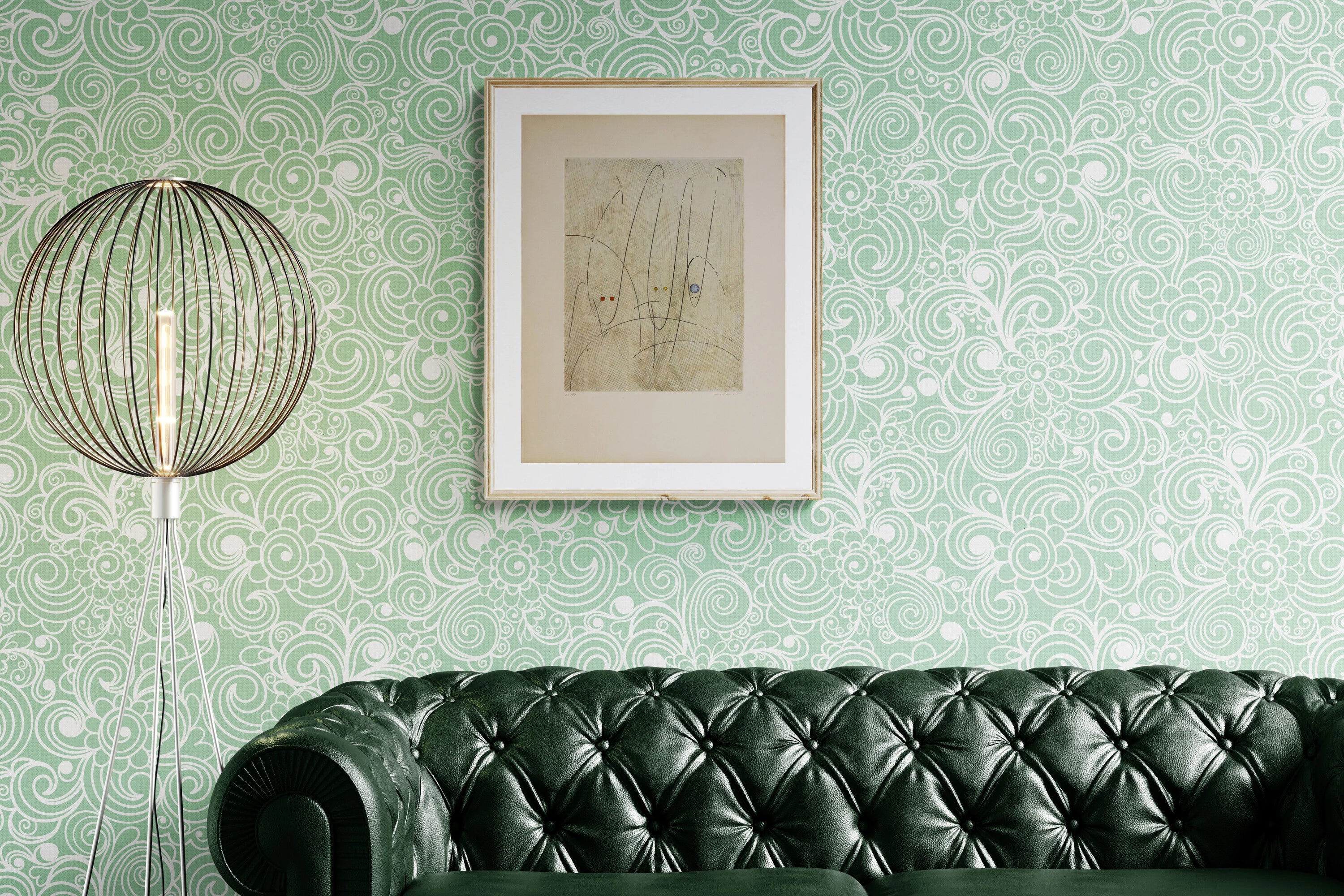
The available documentation identifies Emprin primarily as a painter. His career is linked above all to the production of landscapes. As for any graphic artworks, technical attributions not supported by documentation should be avoided. A print cannot automatically be considered a lithograph, etching or screenprint simply because it reproduces one of his paintings. Correct classification requires examining the work and its related documentation.
Giuliano Emprin died in Turin in 1991. His body of work attests to the continuity of the Italian landscape tradition throughout the 20th century. His career unfolded through figurative painting attentive to nature, light and the composition of the image. His participation in major national art events and the recognition he received document his role in the Piedmontese art scene.
Ti piace Giuliano Emprin?
Per ricevere gli ultimi aggiornamenti di questo artista, lascia la tua email qui sotto: