
Painter
Édouard Chappel
Belgium, 1859–1946
Stay up to date with this artist
Leave your email to receive updates on newly available artworks and news about this artist.
Artworks by Édouard Chappel
6 artworks
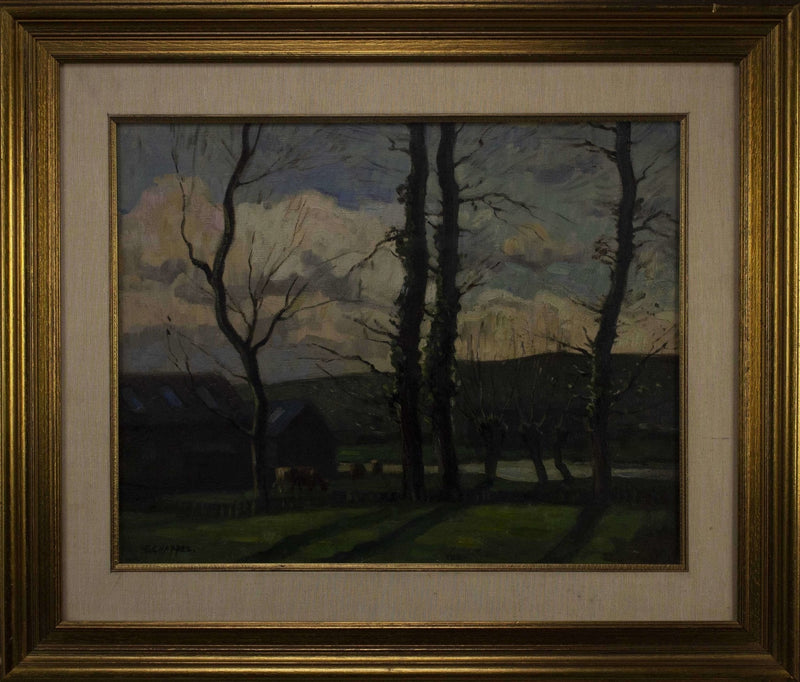
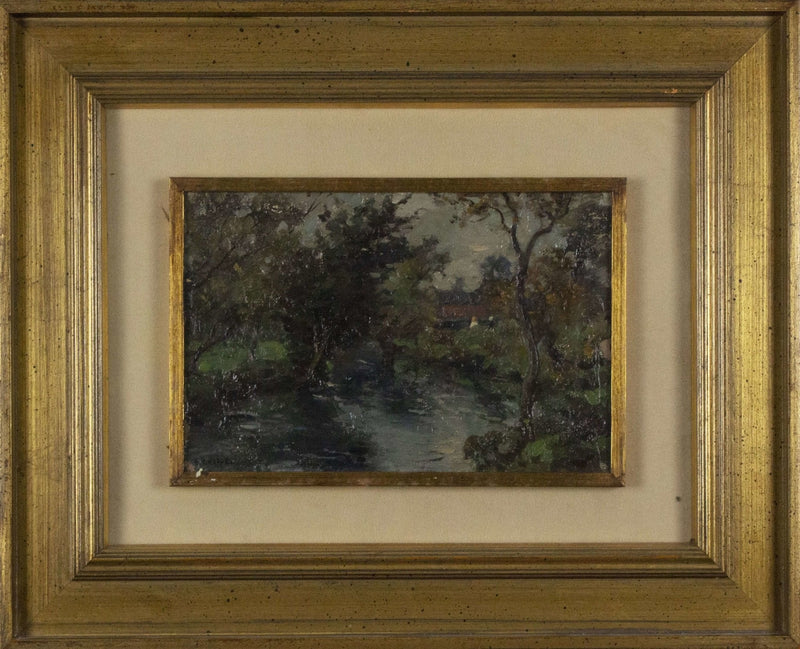
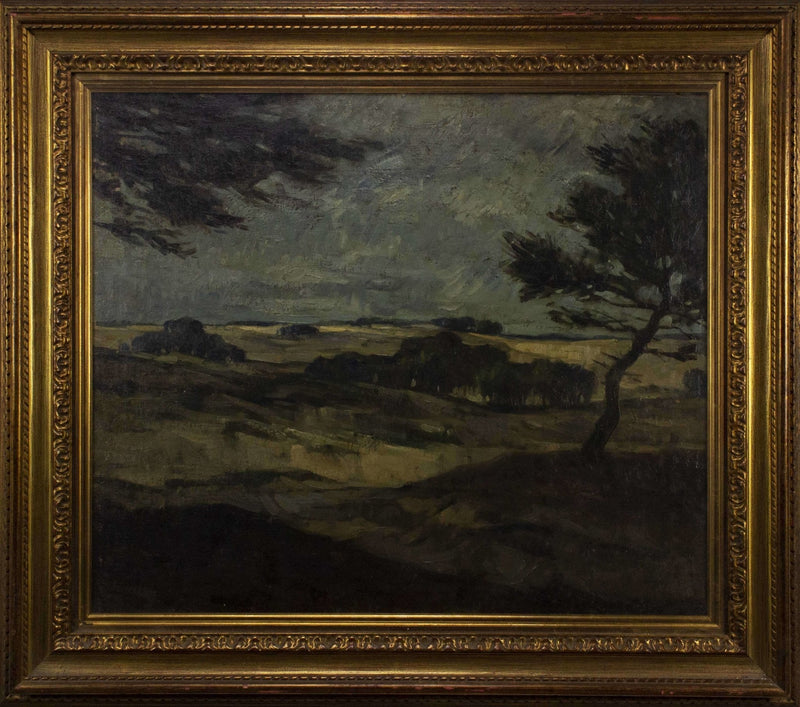
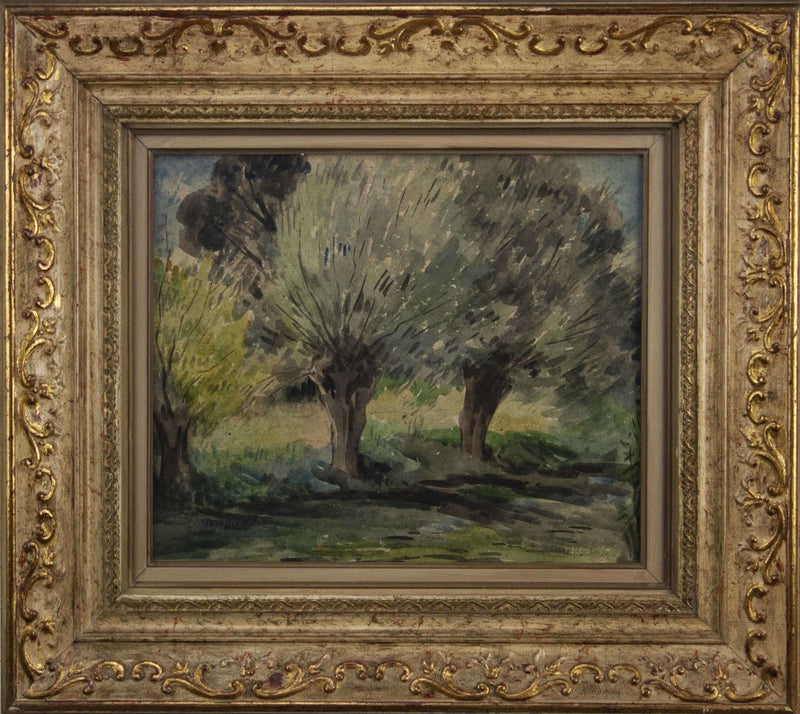


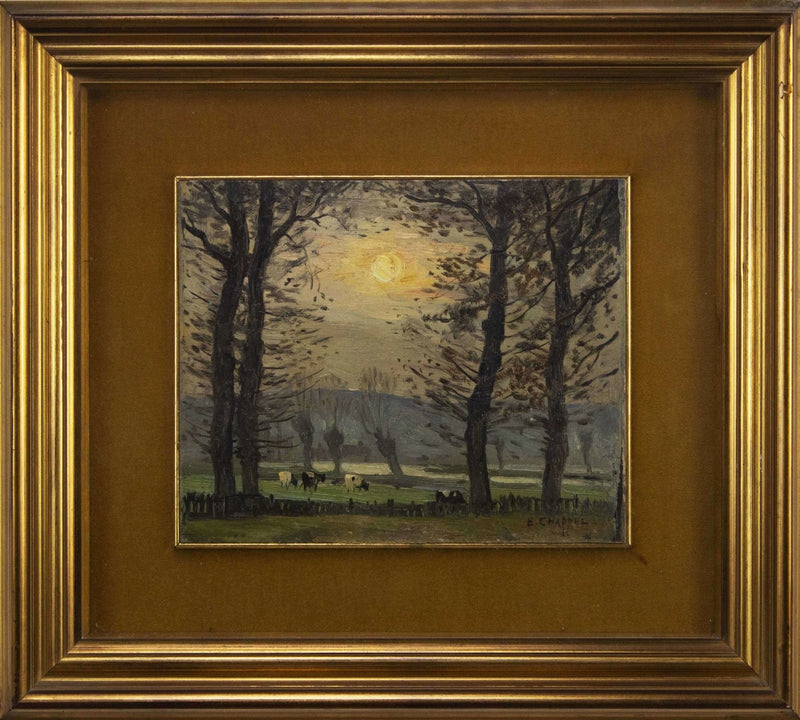
Biography of Édouard Chappel
Édouard Chappel (1859–1946), also known as Edward Chappel, was a painter of British origin born in Antwerp, active in Belgium, the United Kingdom, and France. His output includes landscapes, cityscapes, and still lifes, with particular attention to atmospheric effects. Trained in the Belgian art world, he was a pupil of Charles Verlat and took part in European exhibitions from the late nineteenth century through the…
Read the full biographyClose the biography
Édouard Chappel (1859–1946), also known as Edward Chappel, was a painter of British origin born in Antwerp, active in Belgium, the United Kingdom, and France. His output includes landscapes, cityscapes, and still lifes, with particular attention to atmospheric effects. Trained in the Belgian art world, he was a pupil of Charles Verlat and took part in European exhibitions from the late nineteenth century through the early decades of the twentieth century. He was also one of the founders of the art group Als ik Kan, established in Antwerp in 1883. His documented artworks include landscapes and compositions devoted to light, including night scenes.
Origins
Édouard Chappel was born in 1859 in Antwerp, Belgium, to English parents. This dual cultural identity helps explain why his name appears in the forms Édouard and Edward. His career developed in a European context in which landscape painting was undergoing important transformations. The dialogue between academic tradition and new explorations of light helped shape the artistic landscape of his training.
Training with Charles Verlat
Chappel studied with Charles Verlat, a Belgian painter known for his work as a figurative artist and teacher. His training provided a technical foundation based on drawing and observation. Contact with academic painting did not preclude an interest in different subjects and atmospheres. Throughout his career, Chappel focused mainly on depicting landscapes and views.
The Als ik Kan group
In 1883, Chappel took part in founding the artistic group Als ik Kan in Antwerp. The group's name, roughly translatable as “As I can,” recalls an expression associated with the Flemish artistic tradition. L'association was established as a place for artists to meet and exhibit their oeuvre. Chappel's participation attests to his involvement in the city's cultural life.
L'activity in London
The Musée d'Orsay's documentation records Chappel's activity in London between 1890 and 1923. His time in Britain marks an important phase in his career. Contact with different artistic circles broadens the context in which his painting develops. However, the information currently available does not make it possible to reconstruct every exhibition or collaboration from this period in detail.
Landscape
Landscape is one of the principal subjects documented in Chappel's oeuvre. Depicting nature makes it possible to explore questions of light, space, and atmosphere. The views maintain a connection with the European figurative tradition. The composition is built from recognizable elements. L'interest focuses above all on the perception of place.
Nighttime effects
Among the artworks held in the collections of the Musée d'Orsay is a painting identified as Nocturnal Effect. Its subject reflects an interest in the effects of light under particular conditions. Night painting requires careful handling of tonal relationships. The presence of light sources and areas of shadow can become the central element of the composition. Without a direct analysis of the artwork here, it would not be appropriate to attribute unverified chromatic or iconographic details to it.
Views of the Côte d'Azur
Exhibition records also associate Chappel with views of the Cagnes-sur-Mer and Antibes area. These subjects belong to the Mediterranean landscape tradition. Between the 19th and 20th centuries, the Côte d'Azur became an important meeting place for European artists. Atmospheric variations and light are fundamental elements of landscape painting.
Still lifes
Chappel also created still lifes. The genre allows for a focus on the arrangement of objects and the relationships between form and color. Still life is one of the traditional subjects of European painting. In Chappel's case, this genre is also documented in his exhibition history.
The Salon des artistes français
Chappel took part in the Salon des artistes français. In 1922, he received an honorable mention. His participation in French exhibitions attests to the recognition of his oeuvre in the artistic circles of the time. In 1929, artworks including views and a still life were documented.
The final years
Chappel spent part of his life in France. He died in Cagnes-sur-Mer in 1946. Available documentation makes it possible to identify a career spanning different European cultural circles. Some aspects of his output and exhibition history, however, remain to be explored.
L's artistic legacy
Édouard Chappel belonged to a generation of painters active between the late 19th century and the first half of the 20th century. His documented output reflects an interest in landscapes, atmospheric views, and still lifes. The presence of artworks in the collections of the Musée d'Orsay helps preserve his artistic legacy.
Do you like Édouard Chappel?
Leave your email to receive updates on newly available artworks and news about this artist.
Édouard Chappel
Art that lives in your spaces
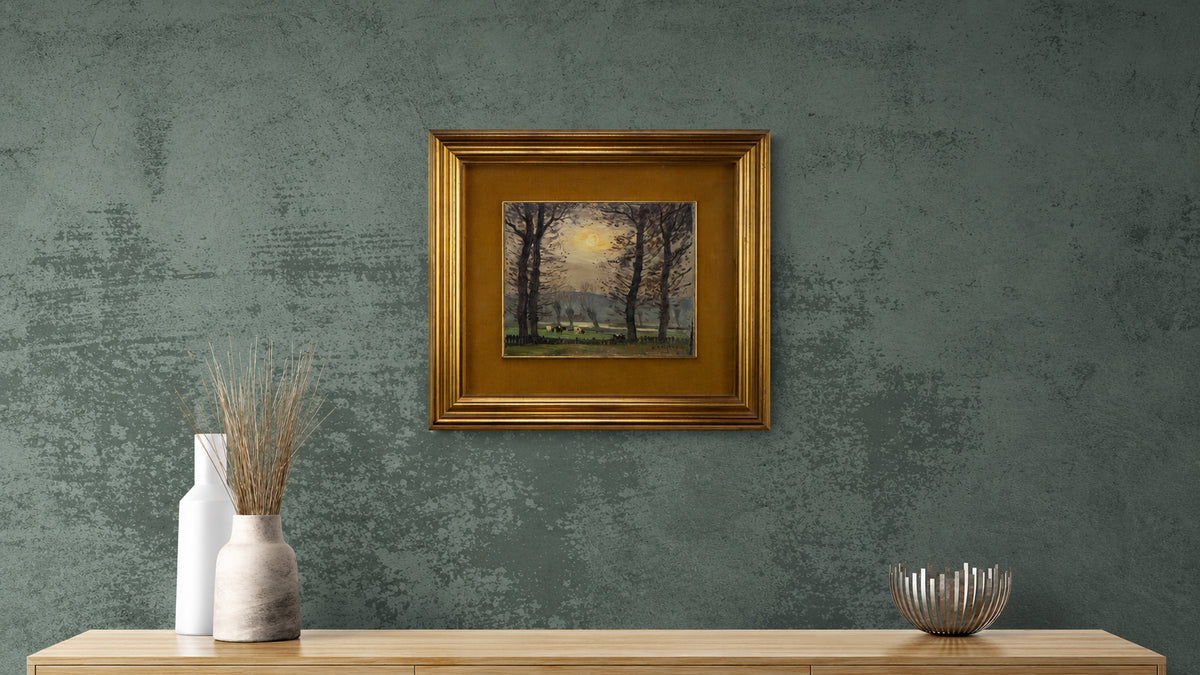
Choosing an artwork by Édouard Chappel means making room for an individual artistic language. The artworks gathered here suggest combinations and perspectives to bring into your own surroundings, letting art guide your gaze.
DISCOVER THE ARTIST
Frequently asked questions
Answers to common questions about Édouard Chappel, the artist’s life, artworks and value on the art market.
Who was Edouard Chappel?
Edouard Chappel (1859–1946), also known as Edward Chappel, was a painter born in Antwerp to English parents. Active between Belgium, the United Kingdom and France, he is documented in London between 1890 and 1923. His production includes landscapes and still lifes.
What artworks has Edouard Chappel created?
Documented artworks include Effet nocturne and Paysage in the collections of the Musée d'Orsay, as well as still lifes with fish and game in the Royal Museums of Fine Arts in Antwerp. These examples attest to his interest in landscape, atmospheric effects and the composition of objects.
What artistic techniques did Edouard Chappel use?
The museum collections mainly document his pictorial activity: landscapes, night views and still lifes. The technique and support must be verified in the data sheet of each specimen. It is not correct to attribute an engraving or lithographic production to him solely on the basis of an image or a generic commercial indication.
How to verify the signature of an artwork by Edouard Chappel?
The signature must be compared with confidently attributed copies and read together with the technique, support, date, origin and any inscriptions. A graphic similarity is not sufficient proof. For artworks on paper it is also important to check whether the signature is handwritten or reproduced in print.
How do you evaluate an artwork attributed to Edouard Chappel?
A reliable evaluation requires first of all the certain identification of the author. Relevant technique, size, condition, provenance and market comparisons are then considered. Without these elements it is not prudent to publish price ranges or investment indications.