

Prints and Multiples
Discover the world of original prints.
Lithographs, engravings, screenprints, artists’ multiples, artists’ books and print portfolios: original works, techniques, editions and authentication criteria to help you buy with confidence.
OUR PRINTS AND MULTIPLES
Editioned art, the pleasure of collecting

Mimmo Rotella
Marilyn, Eternal Beauty
2005, Screenprint and décollage with paper hand-torn by the artist
$672.00

Mimmo Rotella
Marilyn, Eternal Beauty
2005, Screenprint and décollage with paper hand-torn by the artist
$672.00


The main families of printmaking
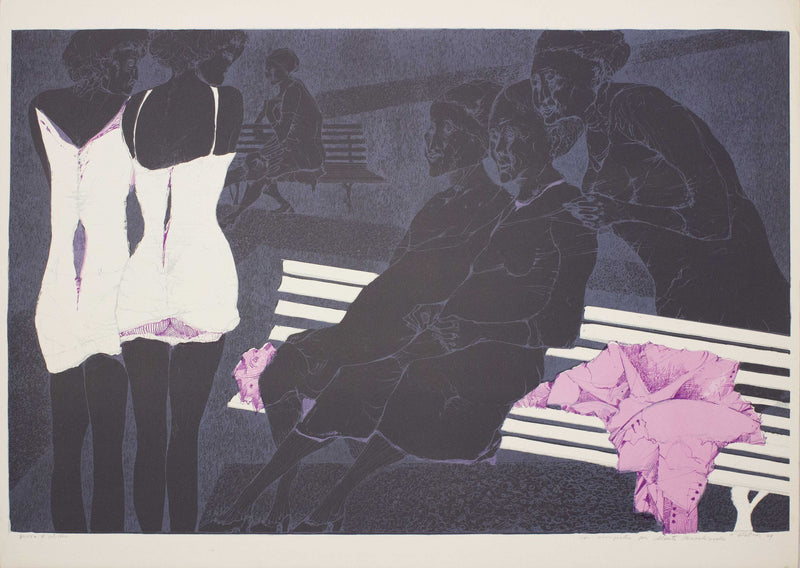
Planographic printing
An essentially flat surface holds ink in the areas intended to print.

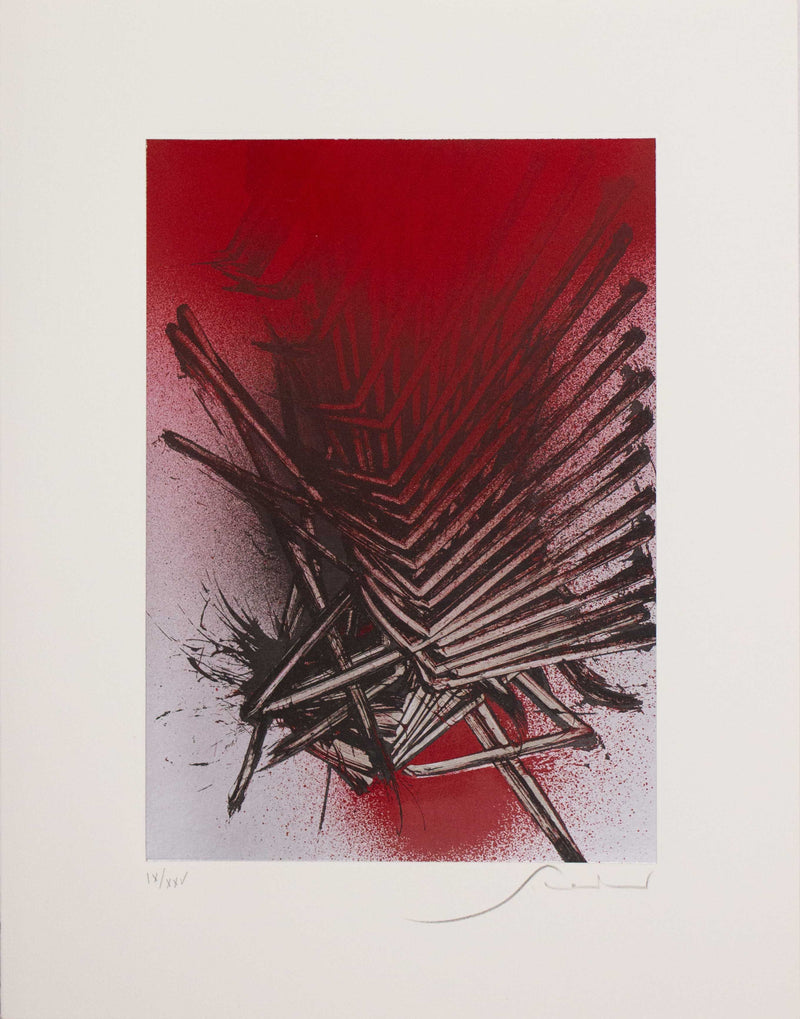
Intaglio printing
The image is incised into a plate, usually metal, and the grooves hold the ink.
Indirect engraving:EtchingAquatintSoft-ground etchingDirect engraving:Burin engravingDrypointMezzotint

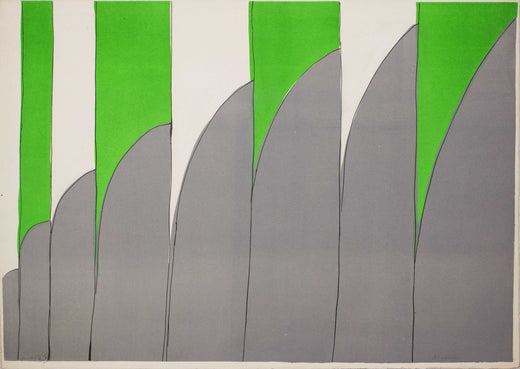
Relief printing
Raised areas of the matrix transfer ink to the paper.

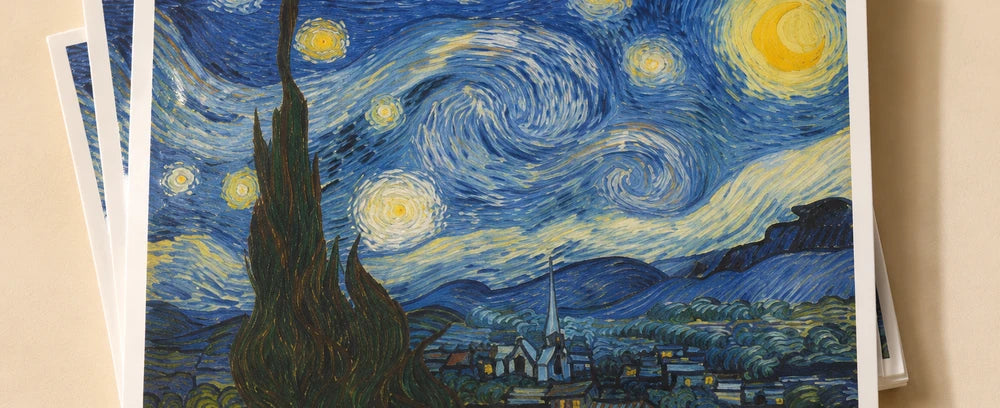
Stencilled printing
Ink passes through open areas of a permeable matrix such as a screen.

Photographic and digital processes
Photographic and digital processes can also be used to make original artworks.
Silver gelatin printChromogenic printGiclée
When is a print an original artwork?
An original print is conceived by the artist for a printing process, sometimes in collaboration with a publisher and printer. It may be made using traditional techniques such as lithography and etching, or processes such as offset and collotype.
Originality depends on the artistic project, the artist’s involvement and the nature of the edition. Signatures and numbering can help document the work and should be assessed in context.
Original or reproduction?
Original print
A work conceived by the artist to be made through a printing process.
Reproduction
A copy of an existing work produced by printing, photographic or digital processes.
What to look for
Signature
A signature may be handwritten, in the plate or printed. The context of the edition matters.
Numbering
Usually identifies the impression within the edition, for example 25/100. It need not reflect printing order.
Edition size
The total number of impressions planned or produced. Additional proofs may exist.
Artist’s proofs
Common marks include A.P. (artist’s proof), state proof and H.C. (hors commerce).
Catalogue raisonné
Documents the artist’s work and, when available, its editions and variants.
Authenticity and provenance
Check the publisher, printer, documentation, provenance and condition.
Buying advice
- Check the technique and the edition description.
- Look for signatures, numbering and any proofs.
- Assess materials and condition.
- Check the publisher and printer where relevant.
- Consult the catalogue raisonné where available.
- Check the completeness of artists’ books and print portfolios.
- Request documentation for the work.
Explore the category
Frequently asked questions
Clear answers to the most common questions.
Is an original print a work of art?
Yes. It is a work conceived for printmaking and may exist in multiple impressions of an edition.
Can an unsigned print be authentic?
Yes. Some editions were issued without a handwritten signature. Provenance, the catalogue raisonné, documentation and edition characteristics help verify authenticity.
What is the difference between an original print and a reproduction?
An original print is conceived for the graphic medium. A reproduction copies a pre-existing work.
What does “outside the numbered edition” mean?
It describes an impression without the numbering of the regular edition. Look at any inscriptions and the edition documentation to identify it.
Are artist’s proofs worth more?
Value depends on the work, documented rarity, provenance, condition and demand. The designation alone does not command a premium.
Beyond printmaking: forms of editioned art
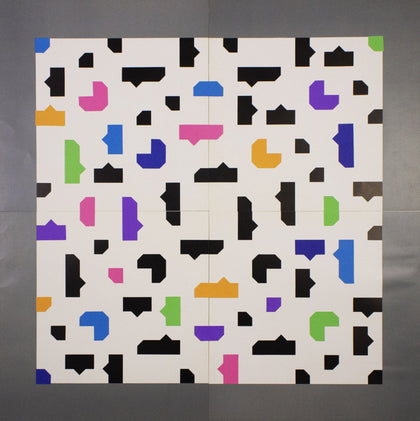
Artists’ Multiples
Works conceived in multiple examples using different materials and processes, including reliefs, objects, assemblages and three-dimensional experiments. In the broad sense, editioned prints are multiples too.
Explore artists’ multiples →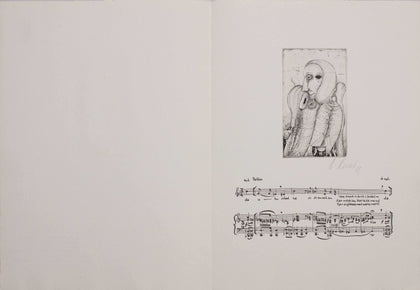
Artists’ Books
The book becomes an artistic medium through images, texts, materials and editorial structure. It can include original prints, poetry, manual interventions and experiments with form.
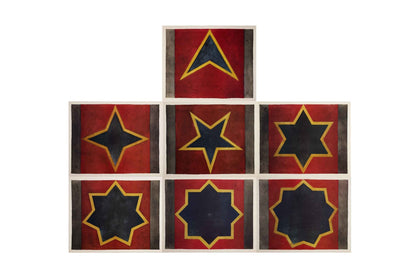
Print Portfolios
Groups of prints united by an artistic or thematic project and presented in a portfolio, sometimes with poetry or critical texts. They may include lithographs, engravings, screenprints or other processes.