

MARINI Marino


Marino Marini (Pistoia, 1901 – Viareggio, 1980) gave twentieth-century Italian sculpture some of its most powerful and recognizable images. Horses and horsemen, female figures, portraits, and acrobats recur in his work like characters in a story that changes over time. The subjects are few, but are never repeated mechanically: each new version alters the balance of the bodies, the tension of the gestures, and their relationship with space. Through forms that are often spare, Marini explores profound questions, from the vitality of the body to the fragility of existence, and ultimately the loss of security experienced by modern man.
The ancient roots of modern sculpture
His training developed in the Tuscan milieu, encompassing painting, drawing, printmaking, and the study of sculpture. Marini took a particular interest in Etruscan sculpture and ancient art, recognizing their ability to render the human figure through direct means and compact forms. Yet he did not seek to reconstruct the past: simplified proportions and animated surfaces allowed him to create modern images, far removed from both naturalistic imitation and decoration. A figure had to possess weight, presence, and a tangible relationship with those who approached it.
The Pomone, female figures evoking fertility and fullness of life, express this search well. Their bodies are solid, often frontal, and seem to contain a quiet energy. In his portraits, too, Marini tends to concentrate character in a few sculptural relationships, without relying on minute descriptions of facial features. Juggling and circus figures, by contrast, introduce a different note, linked to the tension of movement and the precariousness of balance. These are different themes, but all revolve around the possibility of telling the human experience through the body.
Horses and riders: from harmony to crisis
The most famous motif remains that of the horse and rider. In the early versions, man and animal may appear bound together in a solid, almost monumental relationship. As the years pass, and especially amid the atmosphere of war and the postwar period, that stability begins to fracture. The horse stretches its neck, stiffens, and seems to launch into a sudden movement; the rider loses control, throws his arms wide, and risks falling. The transformation of the subject makes a historical and inner change visible: what once might have suggested dominion and harmony becomes an image of instability.
The power of these artworks stems from the fact that Marini does not depict a specific episode. No knowledge of a story is needed to perceive fear, momentum, or a loss of balance. The surfaces of the bronzes, simplified volumes, and sometimes distorted proportions make that tension tangible. Sculpture calls for viewing from several angles, because the relationship between the bodies changes as one moves around the work.
Painting and printmaking as independent languages
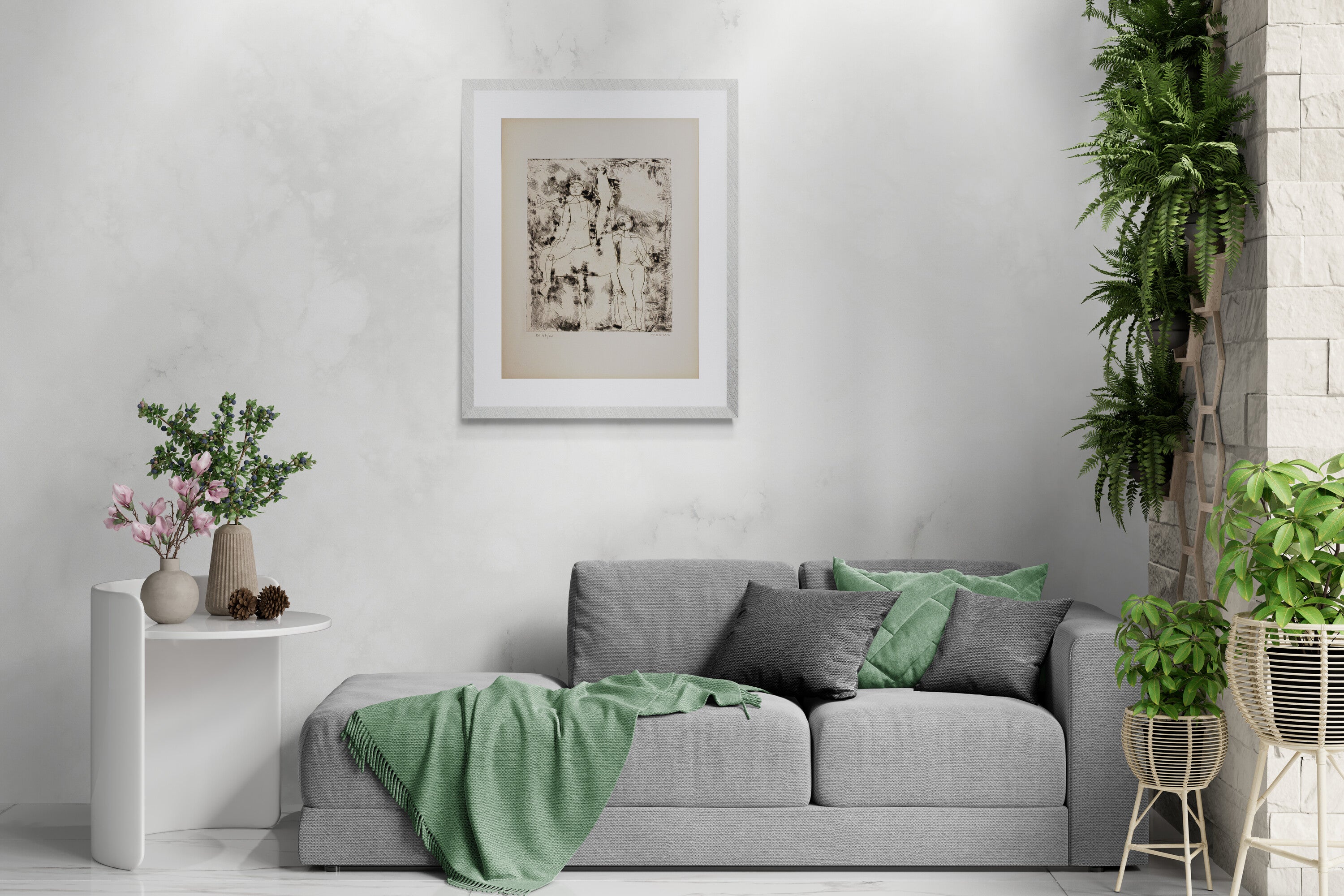
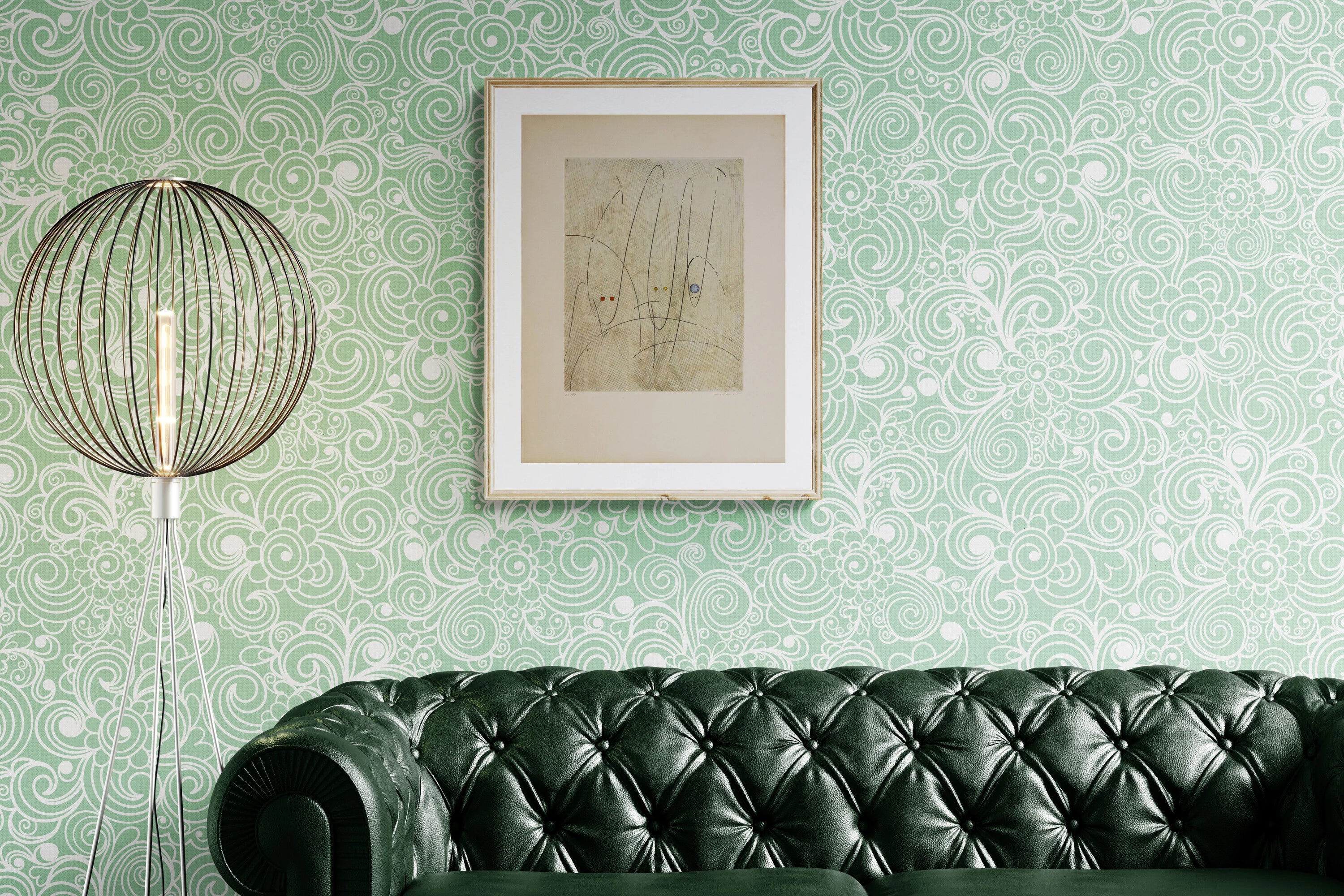
Alongside sculpture, Marini developed a significant body of paintings, drawings, and artworks in print. In lithographs, color and line can be arranged with a freedom different from that of bronze; in etchings, the engraved line introduces other possibilities for tension and synthesis. The aim is not necessarily to reproduce an existing sculpture on paper, but to rethink the same themes through a different medium. To identify a work correctly, it is necessary to check the technique, paper, signature, edition size, publisher, and catalogue references; for bronzes, information about the edition and foundry is also essential.
The continuity of his work lies in its ability to transform ancient forms into contemporary questions. A horse, a woman, or a juggler is not simply a subject to be depicted: each becomes an image through which to explore human energy, fear, and dignity.
Ti piace Marino Marini?
Per ricevere gli ultimi aggiornamenti di questo artista, lascia la tua email qui sotto: