


Gilberto Zorio OPERE
0 products

Gilberto Zorio was born in Andorno Micca on September 21, 1944 and studied at the Albertina Academy in Turin, where he developed an early focus on matter as a real “fact,” not just a symbol. He debuted in 1963 at the Small Gallery of Modern Art in Turin and, starting from 1967, established himself as one of the most recognizable voices of Poor Art. In that environment, he shared a spirit of experimentation centered on processes, transformations, and the physical presence of materials: in his artworks, energy is not an abstract concept but a condition that can be seen and measured in space. In 1968, he took part in “Poor Art + Poor Actions” in Amalfi: there he strengthened his relationship with Germano Celant and began a working relationship with Marcello Rumma, who supported many of the group’s researches. In 1969, he held his first solo show in Paris at the Ileana Sonnabend Gallery, a decisive step for the internationalization of his work. In the following years, he increased his presence in institutions and exhibitions: in 1973, he exhibited at the Gian Enzo Sperone Gallery and participated in the Rome Quadriennale; in 1976, he exhibited at the Lucerne Art Museum, while between the late Seventies and the Eighties, he brought his research to venues such as the Stedelijk Museum in Amsterdam and Italian and international galleries. He took part in the Venice Biennials of 1978, 1980, and 1986 (in that edition, he was given a dedicated room), and in 1992, he participated in Documenta IX in Kassel, confirming his role in the debate on processual art. Over his career, he has held numerous solo exhibitions, including those at the Georges Pompidou Center and various international institutions; in the early 2000s, he also exhibited at venues such as the Dia Art Foundation (Chelsea) and Tate Modern. In 2011, the MAXXI presented a tribute to Poor Art including a large installation by the artist, and in 2023, he took part in miart with the Lia Rumma Gallery. On a personal level, Zorio is married to the video artist Grazia Toderi. His work today is recognized for a poetic vision in which light, energy, and transformation remain the driving force of every form.
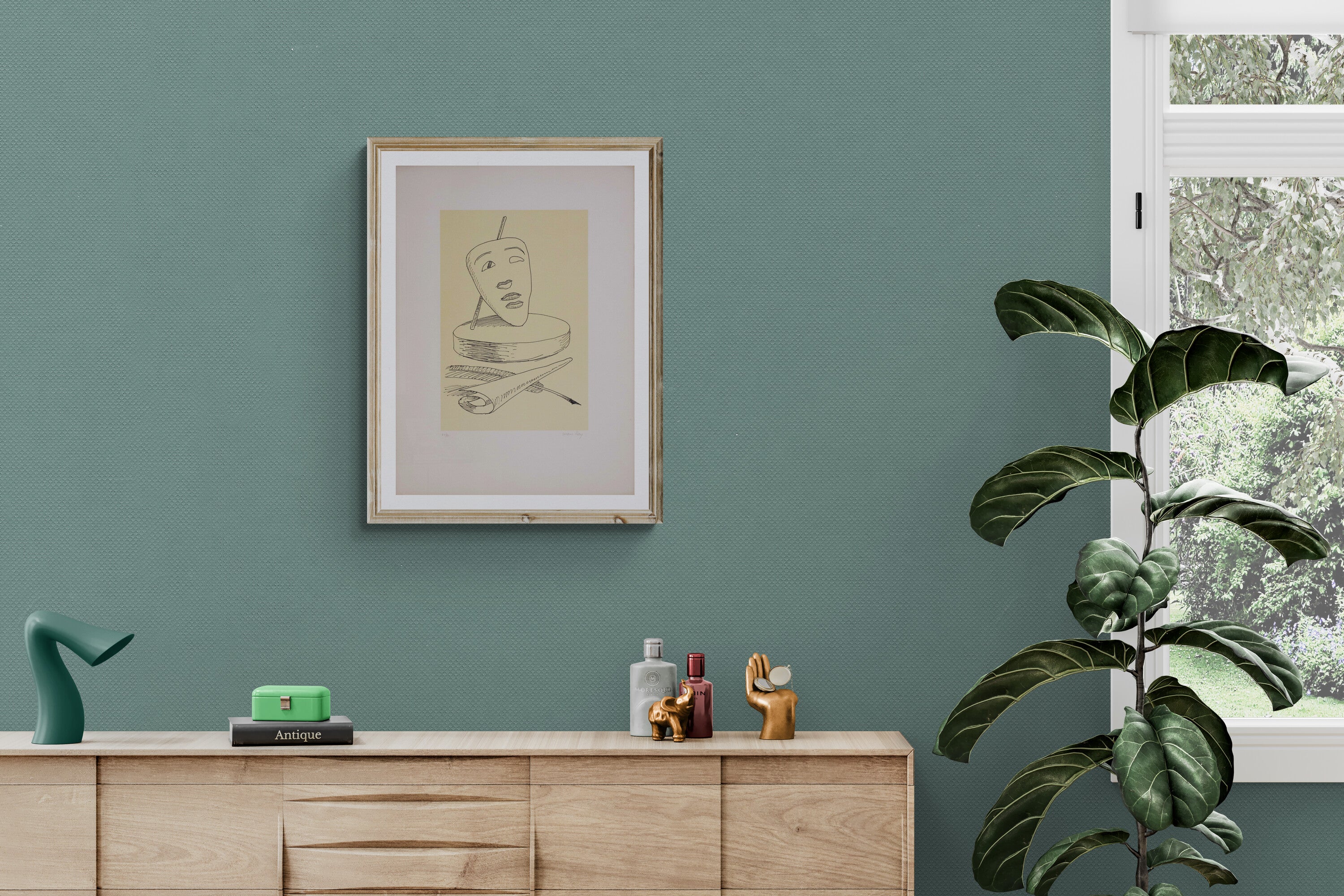
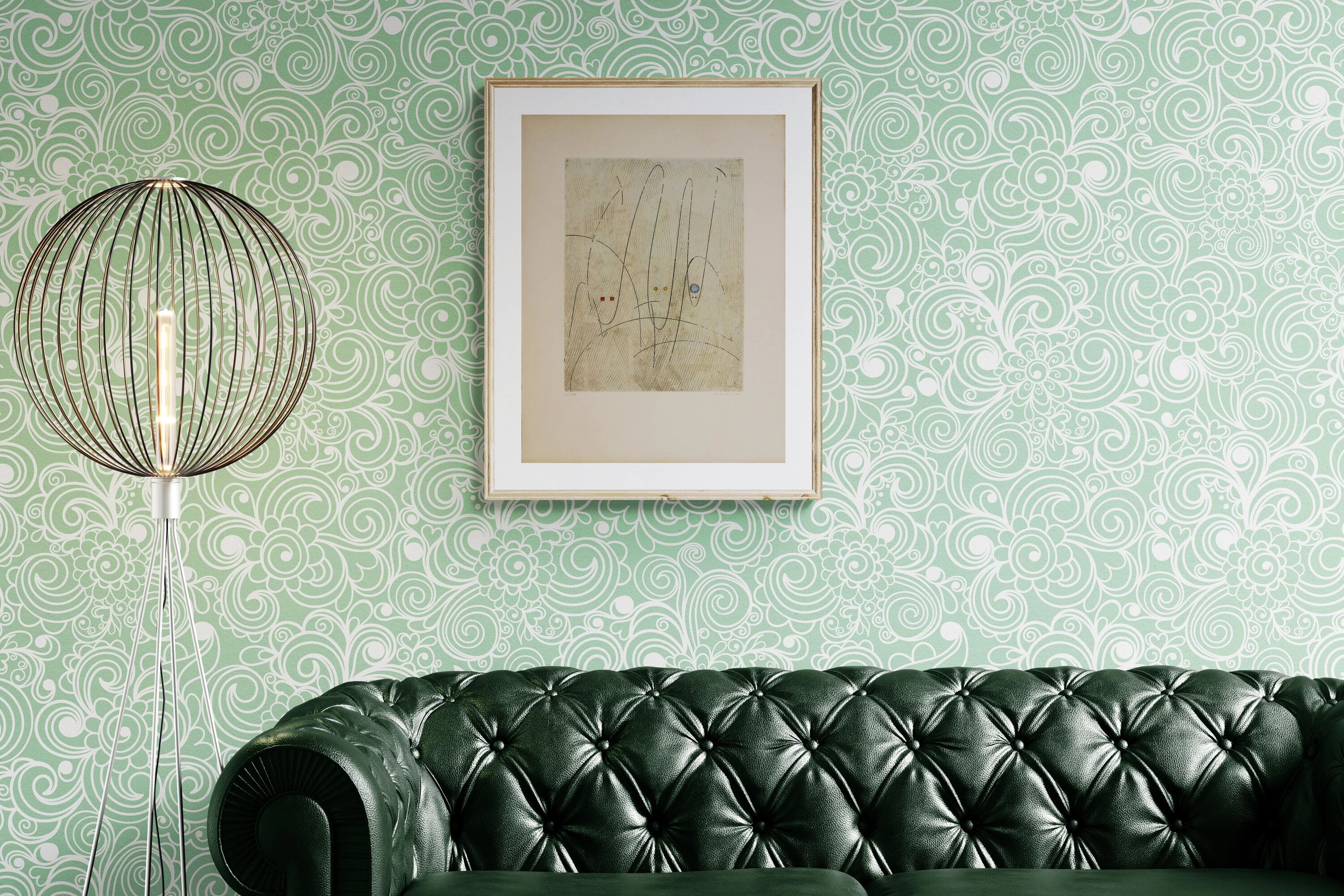
Gilberto Zorio’s artworks often arise as open devices: they activate reactions and stage a balance that can change over time. Among the historic works, Tent (1967) records the evaporation and formation of salt crystals, transforming a simple cloth into a “living” landscape that builds itself before the viewer. In the same year, Column (1967) overturns the traditional idea of solidity: a heavy conductor is placed on an inner tube, and the artwork becomes an image of tension and precariousness. In Stain III (1968), the artist suspended rubber in space, emphasizing the idea of lifting the sculpture and having it occupy the “air horizon” as well. The research on energy becomes explicit in works such as Incandescent Wire (1970), Javelin (1971), and Laser Beam (1975), vectors that build shapes and trajectories, often linked to the motif of the star. Alongside crucibles, basins, and still pots, elements of travel and storytelling appear: Nuragic Boat (2000) evokes crossings of civilizations and movement through space. This intensity is also found in his work on paper: Zorio has created lithographs, silkscreens, and etchings in which marks, material interventions, and sometimes color highlights continue the same logic of energy and transformation that guides his installations and sculptures.
Gilberto Zorio valuations
Gilberto Zorio’s valuations vary greatly depending on size, period, origin, and complexity of the setup. At auction, important sculptures and three-dimensional works tend to fall into mid-to-high ranges: documented results show sales in the order of tens of thousands of euros (for example, in a Dorotheum sale, a lot reached €22,100), with overall peaks that, on the international market, reach much higher values depending on the work. For paintings and unique works on traditional supports, estimates and results often appear in the range of tens of thousands for significant artworks. Drawings and mixed media on paper usually show a more accessible range (for example, estimates around €1,000–1,500 in some Italian auctions). Prints — lithographs and etchings — often move between a few hundred euros and a few thousand, with cases of etchings offered with starting bids around €1,500.
Ti piace Gilberto Zorio?
Per ricevere gli ultimi aggiornamenti di questo artista, lascia la tua email qui sotto:Il tuo indirizzo email è stato aggiunto alla lista dell'artista.
