

ARTISTIC TECHNIQUES
Aquatint
The grain of the plate, the richness of tone.
An intaglio technique that turns the grain of the plate into areas of tone, contrasts of light and shade and subtle gradations.
OUR AQUATINTS
Works to discover, choose and live with every day.
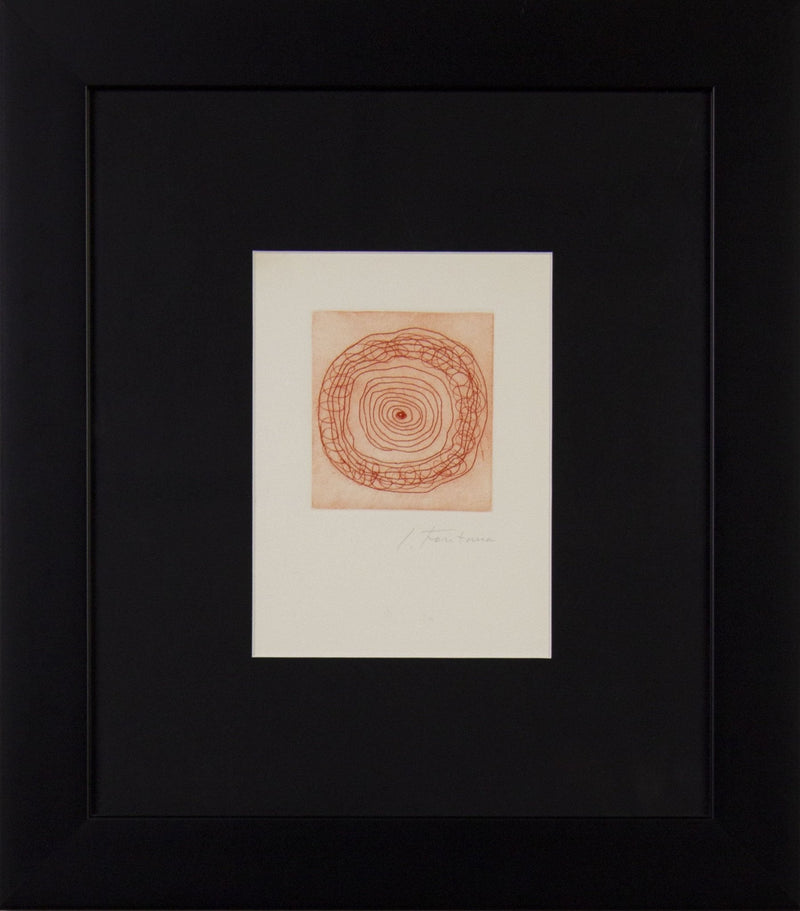
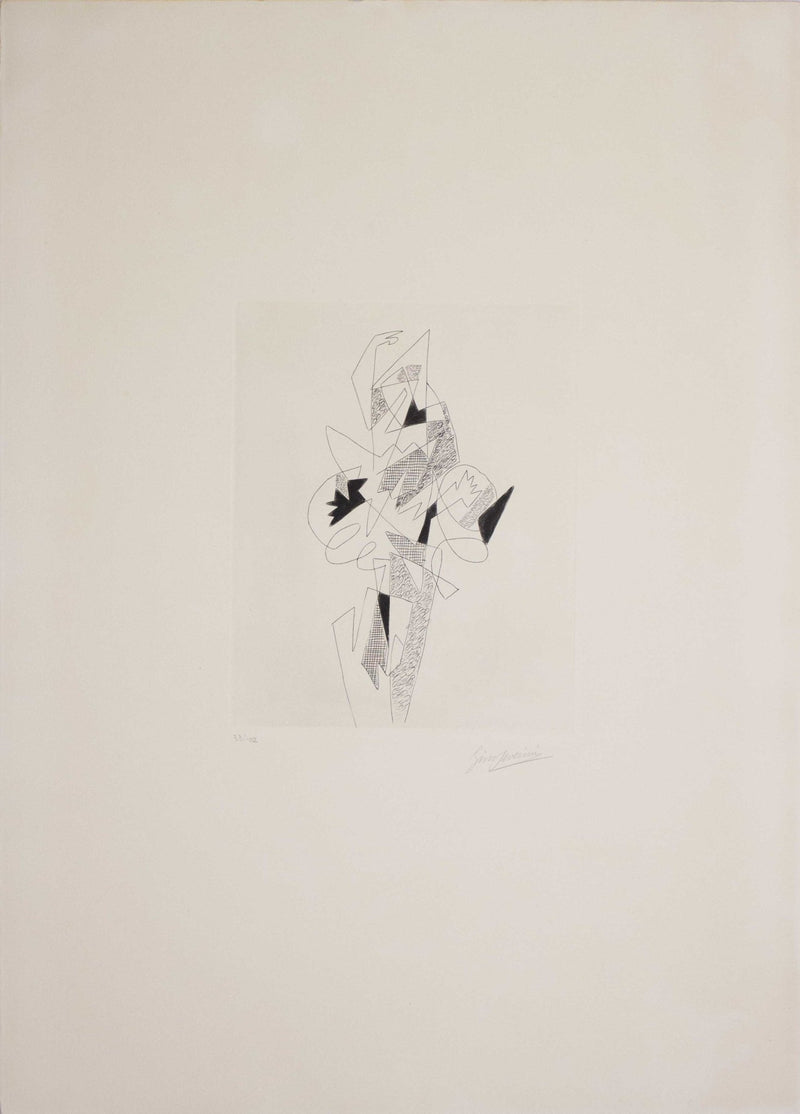

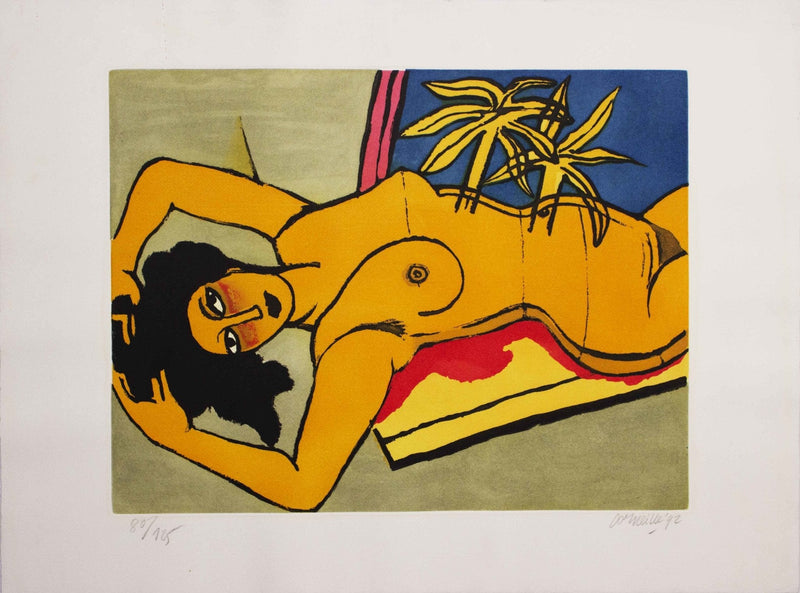

EXPLORE PRINTMAKING TECHNIQUES
What is aquatint?
Aquatint is an indirect intaglio technique that produces tonal fields, gradations and varying intensities of colour. Whereas etching lends itself especially to line, aquatint lets artists develop broader areas of a composition and create effects reminiscent of watercolour.
The process starts with a metal plate, usually copper or zinc, coated with a substance that resists the mordant, traditionally powdered resin. Once the resin is fixed, the mordant bites into the metal wherever it remains exposed.
During printing, the bitten areas hold ink and produce fields of varying intensity according to the depth and character of the bite.
Aquatint is often combined with etching, bringing together precise lines and rich tonal fields. This versatility makes it a distinctive form of original printmaking, suited to figurative, abstract and experimental work.
Origins — How and when aquatint began
Aquatint developed in the eighteenth century as engravers and printers sought ways to reproduce both drawn lines and the gradations and tonal fields of watercolour and wash.
Traditional intaglio already produced light and shade through hatching, cross-hatching and lines of varying depth. Creating even fields and continuous tonal transitions, however, remained a significant technical challenge.
Among those who helped develop aquatint was the eighteenth-century French artist Jean-Baptiste Le Prince, who refined processes using resin spread over the metal plate.
The new technique gave prints an appearance closer to watercolour drawing and considerably expanded the scope of intaglio printing.
Aquatint was used to reproduce drawings, illustrate publications and create artistic images. It gradually spread to the main European centres.
Francisco Goya was a major figure in its history. He combined aquatint with etching in some of the most significant print series of the late eighteenth and early nineteenth centuries.
In his work, tonal areas help create dramatic atmospheres, contrasts of light and images of exceptional expressive intensity.
Artists continued to use and refine the technique throughout the nineteenth century, often alongside other intaglio methods.
In the twentieth century, modern artists including Pablo Picasso and Joan Miró explored its possibilities in figurative, abstract and experimental compositions.
Its combination of technical control and expressive freedom appealed to artists wishing to move beyond the division between drawn lines and fields of colour.
Aquatint remains important in original printmaking today, both on its own and in combination with etching and other printmaking methods.
How it is made — From plate preparation to printing
An original aquatint begins with a carefully cleaned and polished metal plate, usually copper or zinc.
A substance that resists the mordant is spread over the surface, traditionally a very fine powdered resin. An aquatint box can let the particles settle relatively evenly on the plate.
Controlled heating fixes the resin particles to the metal without melting them completely into one another.
The surface is now protected by many small dots that resist the mordant, with microscopic gaps of exposed metal between them.
A mordant then bites into the exposed areas between the resin grains, creating tiny pits that will hold ink during printing.
The character of the grain and the length of the bite determine tonal intensity.
To obtain gradations, the artist can progressively protect selected areas with a stop-out varnish and subject the others to further bites.
Areas stopped out after brief exposure generally print lighter. Longer bites can hold more ink and yield darker tones.
This process makes it possible to build complex images with tonal transitions, contrasts and areas of differing intensity.
Aquatint can be combined with etching to add incised lines to tonal fields, or used alongside other intaglio techniques.
Once the plate is finished, the resin and any protective varnishes are removed.
Intaglio ink is spread over the surface and worked into the bitten areas, then wiped from the parts that are to remain unprinted.
A prepared sheet of paper is placed over the plate, and both are passed through an intaglio press.
Pressure transfers the image by forcing the paper to pick up the ink held in the tiny cavities of the plate.
Before printing the edition, the artist can pull proofs to assess the tonal balance and decide whether to work further on the plate.
The result depends on the preparation of the grain, the precision of the bites, the inking and the properties of the paper.
Characteristics — The expressive qualities of original aquatint
The defining quality of aquatint is its ability to create tonal fields from an intaglio plate.
While etching is distinguished especially by its lines, aquatint produces areas of varying darkness, shifts of light and shade and gradations that shape a composition’s atmosphere.
The grain formed by the resin gives printed areas a distinctive visual texture, often best seen by examining the sheet closely.
Aquatint works for landscapes, figures, architecture and still lifes. It also suits abstract compositions in which colour and tonal variation become independent elements.
It can be printed in black and white or in colour, using different plates and printing passes according to the artist’s design.
In an original aquatint, the image is conceived for production through work on the plate and subsequent printing.
It should therefore be distinguished from a photographic reproduction of a drawing or a work made by another means.
As with other original prints, an aquatint may be issued in an edition of multiple impressions from one plate or several plates.
Impressions may be numbered and signed by the artist. A number such as 25/100 identifies impression 25 in a numbered edition of one hundred without necessarily indicating printing order.
There may also be artist’s proofs, commonly marked A.P., and state proofs made at various stages of work.
Signature, numbering, provenance and any documentation help identify the work and should be assessed together.
Paper quality, ink characteristics and condition also matter when assessing an individual impression.
A plate mark, often visible in the paper, can be characteristic of intaglio. By itself it does not guarantee authenticity.
Aquatint remains valued for joining technical precision with sensitivity to tone. Its fields, gradations and contrasts are central expressive tools.
For collectors, it is a compelling form of original printmaking, combining the tradition of engraving with a remarkable range of visual results.
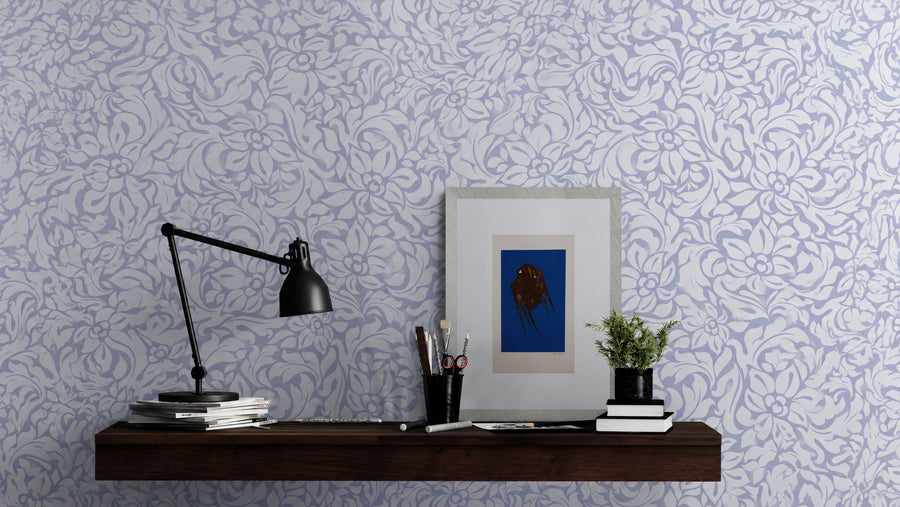
L’arte negli ambienti
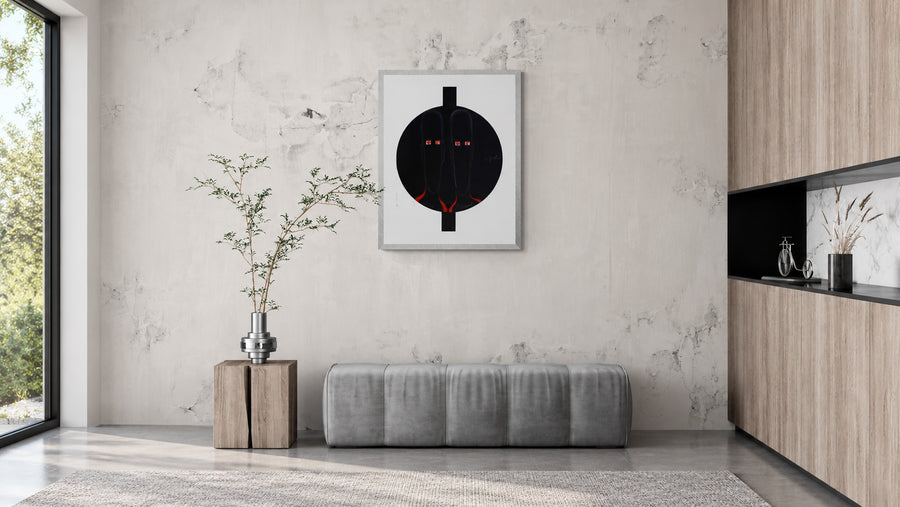
An aquatint, a thousand possibilities.
At home or in the office, the washes and tonal gradations of aquatint bring character to your space.

FREQUENTLY ASKED QUESTIONS
All about aquatint
Straightforward answers to common questions.
How does aquatint differ from etching?
Aquatint builds fields and gradations with a bitten grain. Etching is particularly suited to line. Both can be used in the same print.
How can I recognise an original aquatint?
Look for the grain and plate mark, then check the provenance, edition details and documentation.
Can aquatint be printed in colour?
Yes. The artist can use different inks and printing passes, with one or more plates depending on the design.
What does 25/100 mean?
It identifies impression 25 in an edition of 100 numbered prints. It need not indicate printing order.
How should I care for an aquatint?
Avoid direct sunlight and humidity. For framing, choose archival materials and keep the paper away from the glass.
Explore other art techniques
 Etching
 Lithography
 Screen printing
 Linocut
 Woodcut